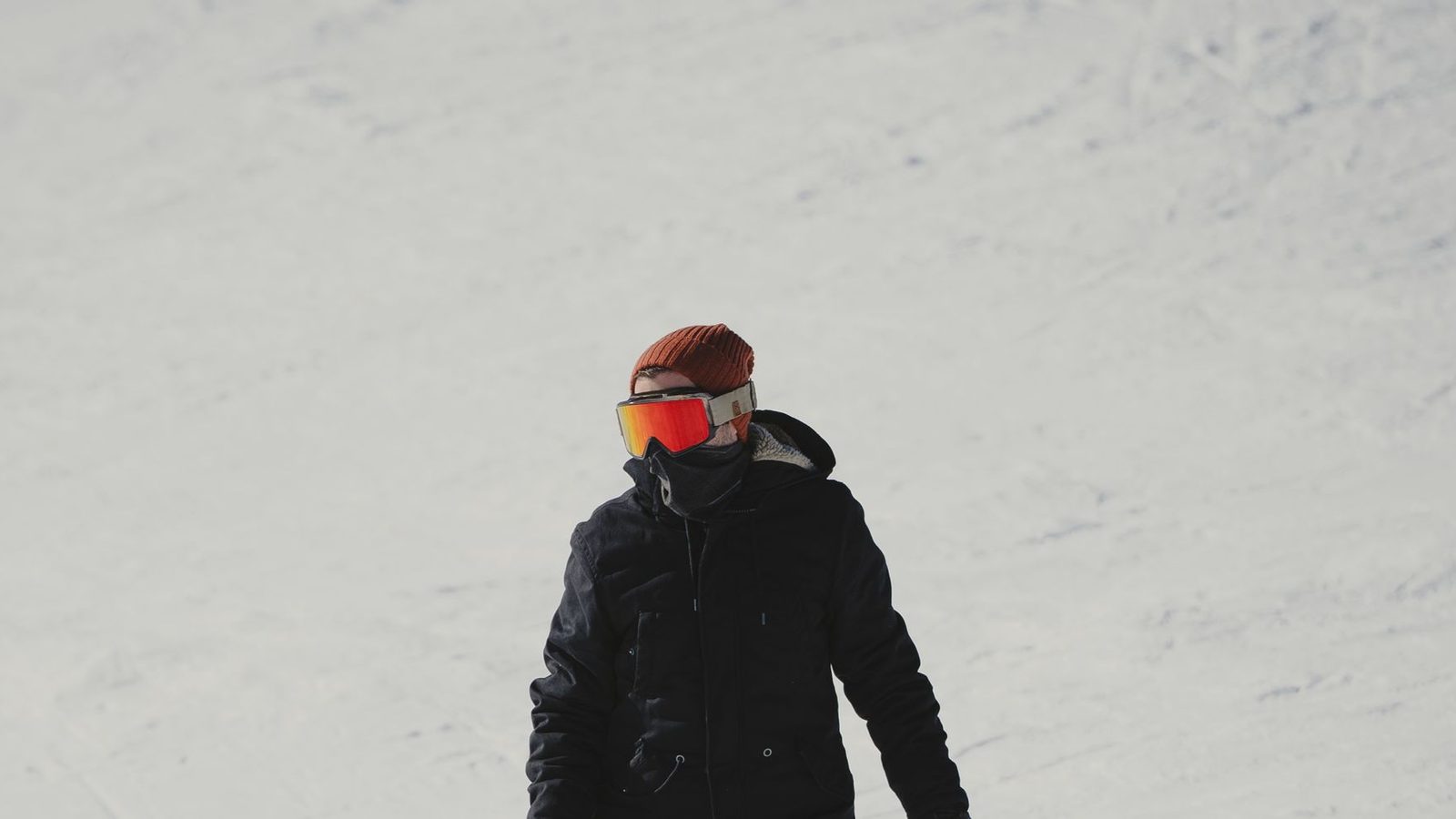
Best Snowboard Goggles buyers have more options than ever. Good goggles keep vision clear in every condition — bluebird to flat-light blizzard. We compared the top goggles for anti-fog performance, lens quality, and field of view.
| Pick | Award | Price | Key spec | |
|---|---|---|---|---|
| Oakley Flight Deck | Best Overall | — | — | Check price |
| Smith I/O MAG | Best Magnetic Lens Swap | $249.95 | — | Check price |
| Anon M4 Toric | Best Anti-Fog | $259.95 | — | Check price |
| Dragon X2 | Best for Wide Faces | $199.95 | — | Check price |
| Giro Contour MIPS | Best for Small Faces | $189.95 | — | Check price |
| Wildhorn Roca | Best Budget | $79.95 | — | Check price |
The Oakley Flight Deck is the most popular premium goggle among serious snowboarders for one reason: the view. The rimless Plutonite lens wraps your entire field of vision with no frame interruption. Prizm lens technology enhances contrast in flat light and full sun. Pairs best with Oakley helmets for seamless gaper-gap-free integration.
The Smith I/O MAG is the goggle for riders who buy two lenses — one for bright days and one for low-light or overcast conditions. The MAG magnetic system makes swapping as easy as pulling the lens off and snapping the new one on. ChromaPop lens technology enhances color and contrast beyond normal vision.
Anon's M4 Toric combines the widest lens available with a magnetic lens swap and Burton goggle/helmet integration. The Toric lens shape closely follows the natural curve of the eye, reducing peripheral distortion. The PERCEIVE lens technology — Anon's answer to Prizm and ChromaPop — delivers exceptional color contrast in variable conditions.
Dragon's X2 is the go-to for riders with larger or wider faces who find other goggles uncomfortable. The oversized cylindrical lens provides excellent coverage, and the Lumalens color-optimized lens enhances terrain features in varied conditions. Swiftlock lens system allows quick changes between Dragon lens options.
Giro's Contour is the pick for riders with smaller faces or lower nose bridges who find premium goggles gaping at the sides or sitting too far from the face. The spherical lens reduces peripheral distortion, and the VIVID Contrast Boost lens system handles variable light well.
For budget-conscious riders, the Wildhorn Roca punches well above its price. Two lenses included means you have the right tint for any conditions. The anti-fog coating holds up through most normal resort days, and the triple-layer foam provides a comfortable seal against the face.
Spherical lenses curve both horizontally and vertically — they closely match the shape of the eye for minimal distortion and better peripheral vision. Cylindrical lenses curve only horizontally — simpler construction, lower cost, but more edge distortion. Spherical lenses are worth the premium for riders who prioritize visual clarity.
VLT (Visible Light Transmission) tells you how much light the lens lets in. Low VLT (5–25%) = bright sunny days. Medium VLT (25–50%) = variable/partly cloudy. High VLT (50–90%) = overcast, flat-light, or dawn patrol. Many riders own two lenses and swap for conditions; magnetic systems like Smith MAG make this practical.
Most goggles fit most helmets, but brand-matched systems (Smith goggles with Smith helmets, Oakley with Oakley MOD) eliminate the gaper gap — the exposed forehead strip that looks amateur and lets cold air in. If you want perfect integration, buy the same brand for helmet and goggle.
Fogging happens when warm, humid air from your face contacts the cold inner lens. Causes: over-tightened foam seal trapping air, tucking a balaclava into the goggle, removing and replacing goggles mid-run. Fix: don't store goggles in your jacket; let them air out during breaks; don't wipe the inner lens (it destroys the anti-fog coating).
Yes — OTG (over-the-glasses) goggles are specifically designed with a groove in the foam to accommodate eyeglass arms. Most major brands offer OTG versions. Alternatively, prescription goggle inserts clip into the goggle frame and work better for all-day riding comfort.
Never wipe the inner lens — it destroys the anti-fog coating permanently. Shake off water and let the goggle air dry after each day. If the outer lens needs cleaning, use only the provided goggle bag or microfiber cloth, gently. Store in the goggle bag to prevent scratching when not in use.
See also: Best Snowboard Helmets • Best Snowboard Jackets • Snowboarding Beginner's Guide
The best snowboard goggles balance performance, value, and durability. Our top picks cover a range of budgets and use cases — see the full comparison above for our ranked recommendations.
Snowboard Goggles range in price from $229.95 at the budget end to $79.95 for premium options. The best value is usually somewhere in the middle — see our picks above for specific price breakpoints.
Spherical lenses curve both horizontally and vertically — they closely match the shape of the eye for minimal distortion and better peripheral vision. Cylindrical lenses curve only horizontally — simp
For most first-time buyers, we recommend starting with a mid-range option rather than going straight to the most expensive snowboard goggles. Oakley Flight Deck is a solid starting point based on owner reviews and published specs.
Yes — quality snowboard goggles are worth the investment for anyone who uses them regularly. The key is matching the spec to how often and how hard you'll use them. Our picks above flag the best value at each price point so you're not overpaying.