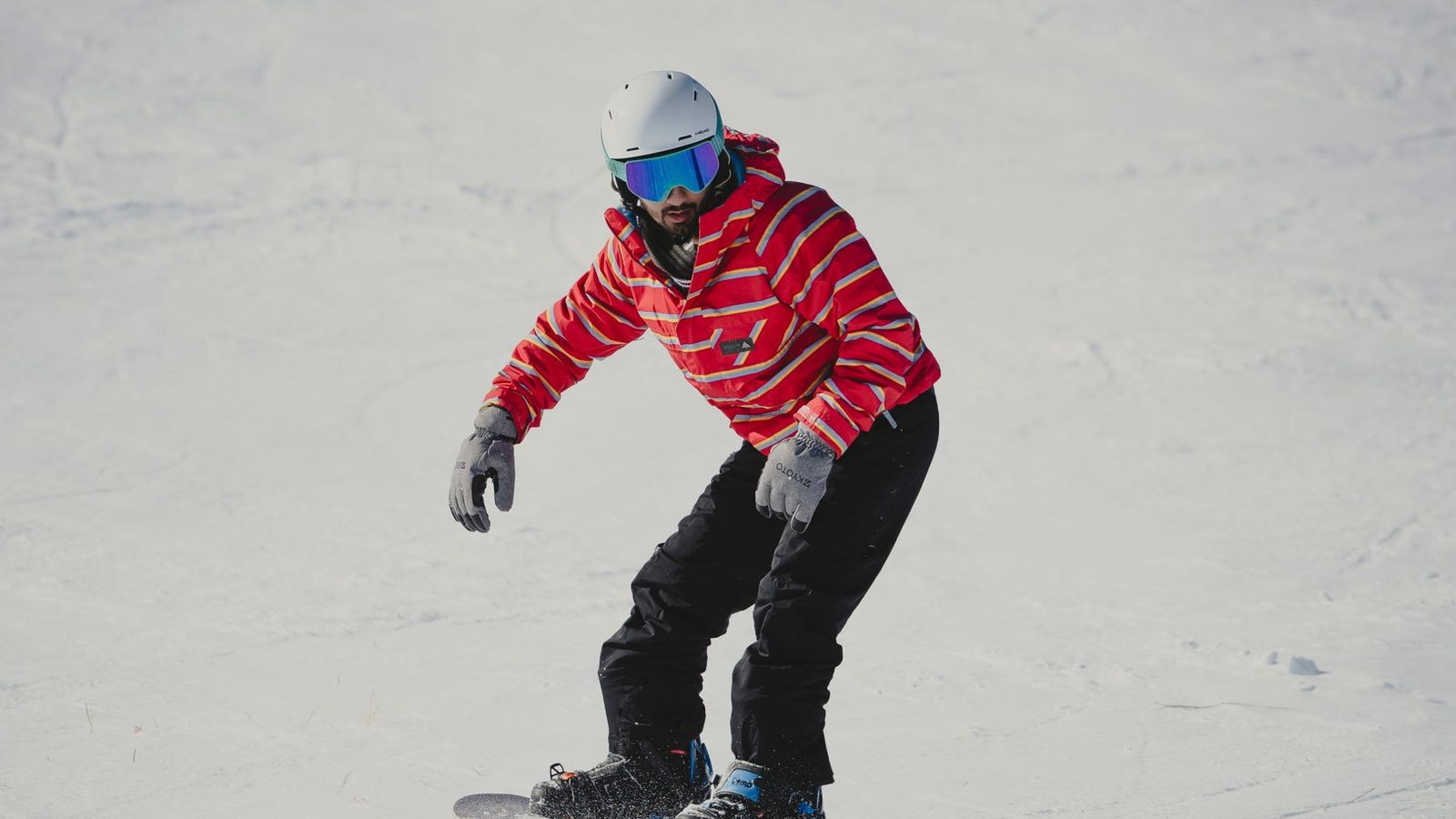
Best Snowboard Helmets buyers have more options than ever. A helmet is non-negotiable on the mountain. We evaluated the top snowboard helmets for impact protection, MIPS certification, warmth, and value.
| Pick | Award | Price | Key spec | |
|---|---|---|---|---|
| Smith Vantage 2 | Best Overall | $249.95 | — | Check price |
| Giro Range MIPS | Best Value MIPS | $179.95 | — | Check price |
| Anon Merak WaveCel | Best Safety Tech | $349.95 | — | Check price |
| Oakley MOD5 Snow Helmet | Best for Goggle Integration | $199.95 | — | Check price |
| POC Fornix MIPS | Best European Safety Standards | $229.95 | — | Check price |
| K2 Phase Pro MIPS | Best Budget | — | — | Check price |
The Smith Vantage 2 is consistently rated among the best ski/snowboard helmets for safety and comfort. The Koroyd honeycomb core crushes on impact to absorb energy, the MIPS liner reduces rotational forces from angled hits, and the AirEvac ventilation integrates with Smith goggles. The Boa fit system allows one-handed micro-adjustment.
The Giro Range MIPS is the helmet we recommend for most riders — it delivers genuine MIPS rotational protection at a fair price, fits a wide range of head shapes with the In Form 2 dial fit system, and integrates well with most goggles. A straightforward, highly capable all-day helmet.
Anon's partnership with Trek-developed WaveCel technology delivers the most advanced head protection available in a snowboard helmet. The WaveCel liner flexes, crumples, and glides to manage the oblique impacts that cause the most serious concussions. Burton's BOA Fit System makes adjustment easy, and the magnetic goggle integration is excellent.
The Oakley MOD5 Snow Helmet is the helmet/goggle system answer for riders who want zero gaper gap. The BOA fit system and passive venting work well across temperature ranges, and the MIPS liner provides rotational protection. Best paired with Oakley Flight Deck or Flight Tracker goggles for seamless integration.
POC is the safety-first brand of the helmet world. The Fornix MIPS exceeds CE EN 1077 Class A and ASTM F2040 standards while the MIPS liner addresses rotational forces. The EPS liner is thicker than competitors at the same price, and the goggle integration works with any brand without a gaper gap.
The K2 Phase Pro MIPS is the best budget snowboard helmet with MIPS certification. It delivers the fundamental protection standard at an approachable price — ideal for rental upgraders and new snowboarders who want proper safety without overspending on their first helmet.
MIPS (Multi-directional Impact Protection System) adds a low-friction layer inside the helmet that allows the head to rotate slightly on angled impacts — the most common type in snowboarding. Studies show MIPS reduces rotational brain injury risk significantly. We recommend MIPS or WaveCel certification as a baseline for any helmet purchase.
Hard shell helmets have a separate outer shell over an EPS liner — more durable, better for park riders who repeatedly hit rails and boxes. In-mold construction fuses the shell and liner in one piece — lighter, more ventilated, and better for all-mountain riding. Most premium helmets today use in-mold or hybrid construction.
Measure your head circumference with a tape measure just above your eyebrows. Compare to the brand's size chart — sizes vary between manufacturers. The helmet should feel snug all the way around without pressure points. Shake your head vigorously — it should not shift. Replace after any hard impact, regardless of visible damage — the EPS liner compresses permanently on impact.
Yes — full stop. Head injuries are the leading cause of serious injury and death in snowboarding. Helmets reduce head injury risk by 60%. There is no situation on a mountain where the tradeoff is worth skipping a helmet.
Yes — ski and snowboard helmets use identical safety standards (ASTM F2040, CE EN 1077). The difference is cosmetic: snowboard helmets often have a rounder profile and more rear coverage. Either is certified for the same protection level.
After any hard impact — even if there's no visible damage, the EPS liner may be compromised. Also replace every 3–5 years; UV exposure and material degradation reduce EPS effectiveness over time. Never buy a used helmet unless you know its full impact history.
See also: Best Snowboard Goggles • Best Snowboard Boots • Snowboarding Beginner's Guide
The best snowboard helmets balance performance, value, and durability. Our top picks cover a range of budgets and use cases — see the full comparison above for our ranked recommendations.
Snowboard Helmets range in price from $249.95 at the budget end to $129.95 for premium options. The best value is usually somewhere in the middle — see our picks above for specific price breakpoints.
MIPS (Multi-directional Impact Protection System) adds a low-friction layer inside the helmet that allows the head to rotate slightly on angled impacts — the most common type in snowboarding. Studies
For most first-time buyers, we recommend starting with a mid-range option rather than going straight to the most expensive snowboard helmets. Smith Vantage 2 is a solid starting point based on owner reviews and published specs.
Yes — quality snowboard helmets are worth the investment for anyone who uses them regularly. The key is matching the spec to how often and how hard you'll use them. Our picks above flag the best value at each price point so you're not overpaying.