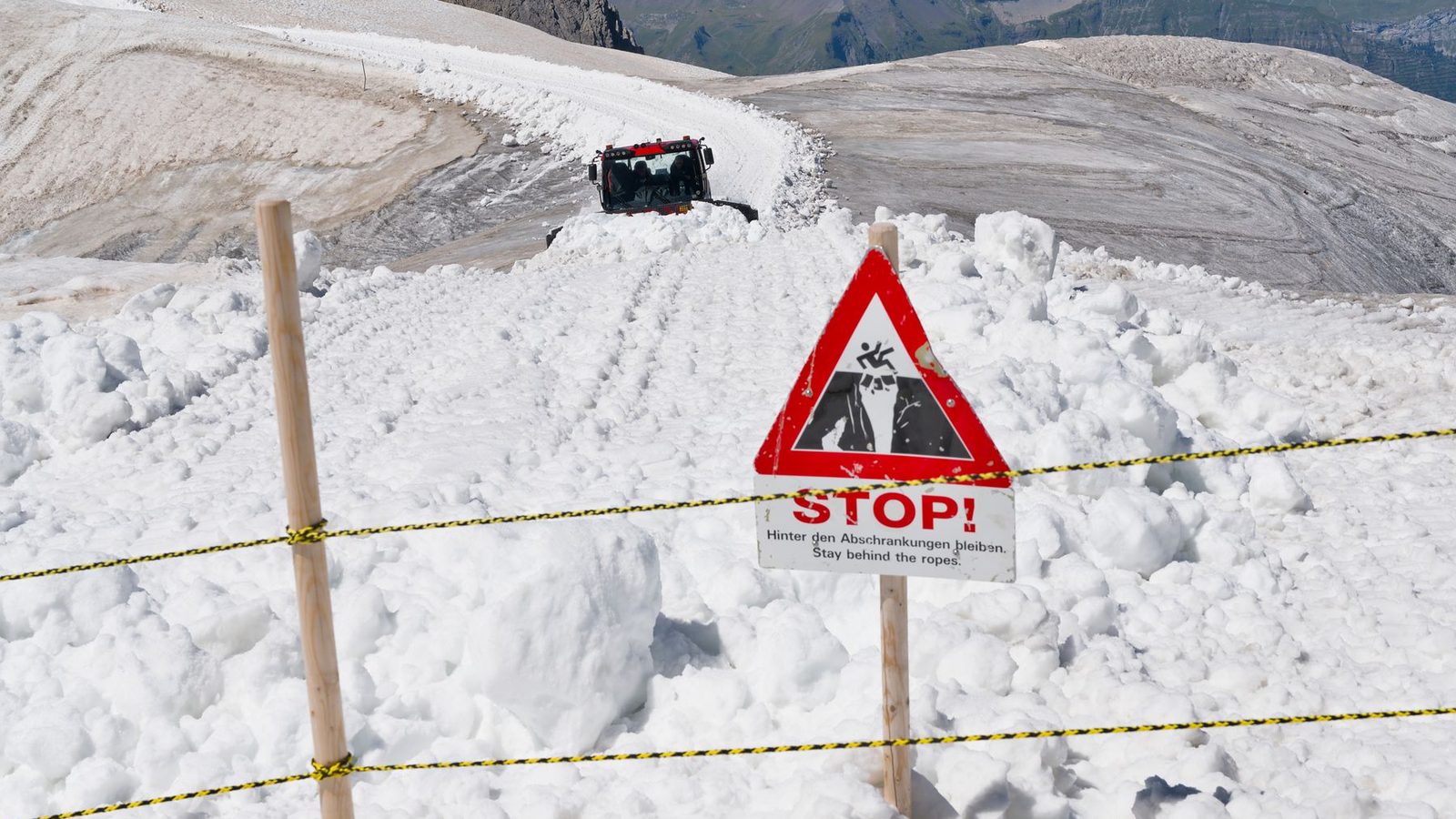
Best Avalanche Safety Gear buyers have more options than ever. Anyone venturing beyond resort boundaries needs avalanche safety gear — and the knowledge to use it. We cover the best beacons, probes, shovels, and airbag packs for backcountry snowboarders.
| Pick | Award | Price | Key spec | |
|---|---|---|---|---|
| Mammut Barryvox S Beacon | Best Avalanche Beacon | — | — | Check price |
| Black Diamond Guide BT Shovel | Best Shovel | — | — | Check price |
| Black Diamond Quickdraw Carbon Probe 240 | Best Probe | $69.95 | — | Check price |
| Mammut Light Protection Airbag 3.0 30L | Best Airbag Pack | $849.95 | — | Check price |
| Ortovox Zoom+ Beacon | Best Budget Beacon | $229.95 | — | Check price |
| Backcountry Access Float 32 Airbag | Best Entry Airbag | $599.95 | — | Check price |
The Mammut Barryvox S is the most sophisticated avalanche beacon available to recreational users. The motion sensor detects if you're no longer moving and automatically switches to transmit mode — critical if you're buried and incapacitated. The smart antenna technology and digital signal processing deliver the fastest, most accurate search of any beacon tested.
Shoveling speed directly determines survival odds in an avalanche burial — the larger the blade, the more snow you move per stroke. The Black Diamond Guide BT's oversized aluminum blade and T-handle grip maximize digging efficiency when every second counts. The extendable handle provides the leverage needed for compacted avalanche debris.
Probing pinpoints a buried victim's exact location before digging begins — critical for efficient rescue. The Black Diamond Quickdraw Carbon's speed-link deployment locks instantly at full extension, and the 240cm length exceeds typical burial depths. Depth markings every 10cm help estimate burial depth and guide digging angle.
Avalanche airbag packs significantly improve survival odds by keeping the rider near the surface of the debris field during the avalanche flow. The Mammut Light Protection 3.0's dual-airbag system deploys 150L of volume when triggered, and the carbon compressed-air system is airline-compatible. The removable airbag unit means one unit serves multiple Mammut pack sizes.
The Ortovox Zoom+ is the ideal first avalanche beacon for resort-to-sidecountry riders taking their first backcountry steps. The focused interface uses just two displays — directional arrows and distance — which research shows reduces errors under the stress of a real rescue scenario. Best value rescue beacon available.
The BCA Float 32 makes airbag technology accessible without the premium price of Mammut or ABS systems. The 32L pack capacity carries a full day's backcountry supplies, and the 150L single-chamber airbag deploys in under a second. The compressed nitrogen system is refillable at most paintball shops.
Every backcountry rider must carry all three — beacon, probe, and shovel — and know how to use each. A beacon without a shovel leaves you transmitting from beneath the snow. A shovel without a probe means inefficient guesswork digging in the wrong spot. The trio works as a system — everyone in your party needs all three for a rescue to be effective.
Modern digital beacons broadcast a 457kHz signal at all times. Switch to search mode and the beacon detects others' signals within a 50–80m range, directing you to the buried victim with distance and direction indicators. The critical skill is the fine search — transitioning from following the directional arrow to the close-range grid search. Practice this monthly with partners, not just before each season.
Airbag packs improve survival odds in avalanche burial by keeping you near the surface — debris sorting during an avalanche flow pushes larger objects upward. Studies suggest airbags reduce avalanche mortality by approximately 50%. The $600–900 cost is significant but comparable to a snowboard setup. For serious backcountry riders, the investment is justified. For occasional sidecountry ventures, a beacon/probe/shovel kit is the higher priority.
No — resort avalanche hazard is managed by ski patrol using explosives, closures, and continuous monitoring. Avalanche safety gear is for backcountry and sidecountry (out-of-bounds) terrain only. Riding within resort boundaries doesn't require a beacon.
Before every backcountry outing. Standard group check: in the resort parking lot before heading out, everyone turns their beacon to transmit, then one person searches for each other member's signal to confirm all beacons are functioning. Replace batteries before each season regardless of remaining charge.
No. Gear without training is nearly useless under the stress of a real burial. Take an AIARE Level 1 or equivalent avalanche course before venturing into backcountry terrain. The course teaches terrain evaluation, decision-making, and rescue practice that makes the gear effective. Many resorts and outdoor shops offer weekend courses.
See also: Snowboarding Beginner's Guide • Best Snowboard Bags • Best Snowboard Helmets
The best avalanche safety gear balance performance, value, and durability. Our top picks cover a range of budgets and use cases — see the full comparison above for our ranked recommendations.
Avalanche Safety Gear range in price from $429.95 at the budget end to $599.95 for premium options. The best value is usually somewhere in the middle — see our picks above for specific price breakpoints.
Every backcountry rider must carry all three — beacon, probe, and shovel — and know how to use each. A beacon without a shovel leaves you transmitting from beneath the snow. A shovel without a probe m
For most first-time buyers, we recommend starting with a mid-range option rather than going straight to the most expensive avalanche safety gear. Mammut Barryvox S Beacon is a solid starting point based on owner reviews and published specs.
Yes — quality avalanche safety gear are worth the investment for anyone who uses them regularly. The key is matching the spec to how often and how hard you'll use them. Our picks above flag the best value at each price point so you're not overpaying.