How to Choose a Bike Helmet: Fit, Safety Ratings, and Features Explained buyers have more options than ever. A bike helmet is the single most important piece of cycling safety equipment. But with hundreds of options across wildly different price points and technologies, knowing what actually matters versus what's marketing fluff is genuinely useful.
CPSC certification (required in the US) is the baseline — any helmet sold in the US must pass this. Virginia Tech's helmet ratings (1– based on impact testing) go significantly beyond CPSC minimums and are the best available evidence for helmet safety. Their annual rankings consistently show that price doesn't predict safety — some $60 helmets outscore $200 ones.
MIPS (Multi-Directional Impact Protection System) adds a low-friction layer inside the helmet that allows 10–15mm of rotation on angled impacts. Most real-world crashes involve angled impacts, not direct top-of-head hits. Virginia Tech testing consistently shows MIPS helmets outperform non-MIPS helmets in rotational force measurements. For $20–40 more, always choose MIPS.
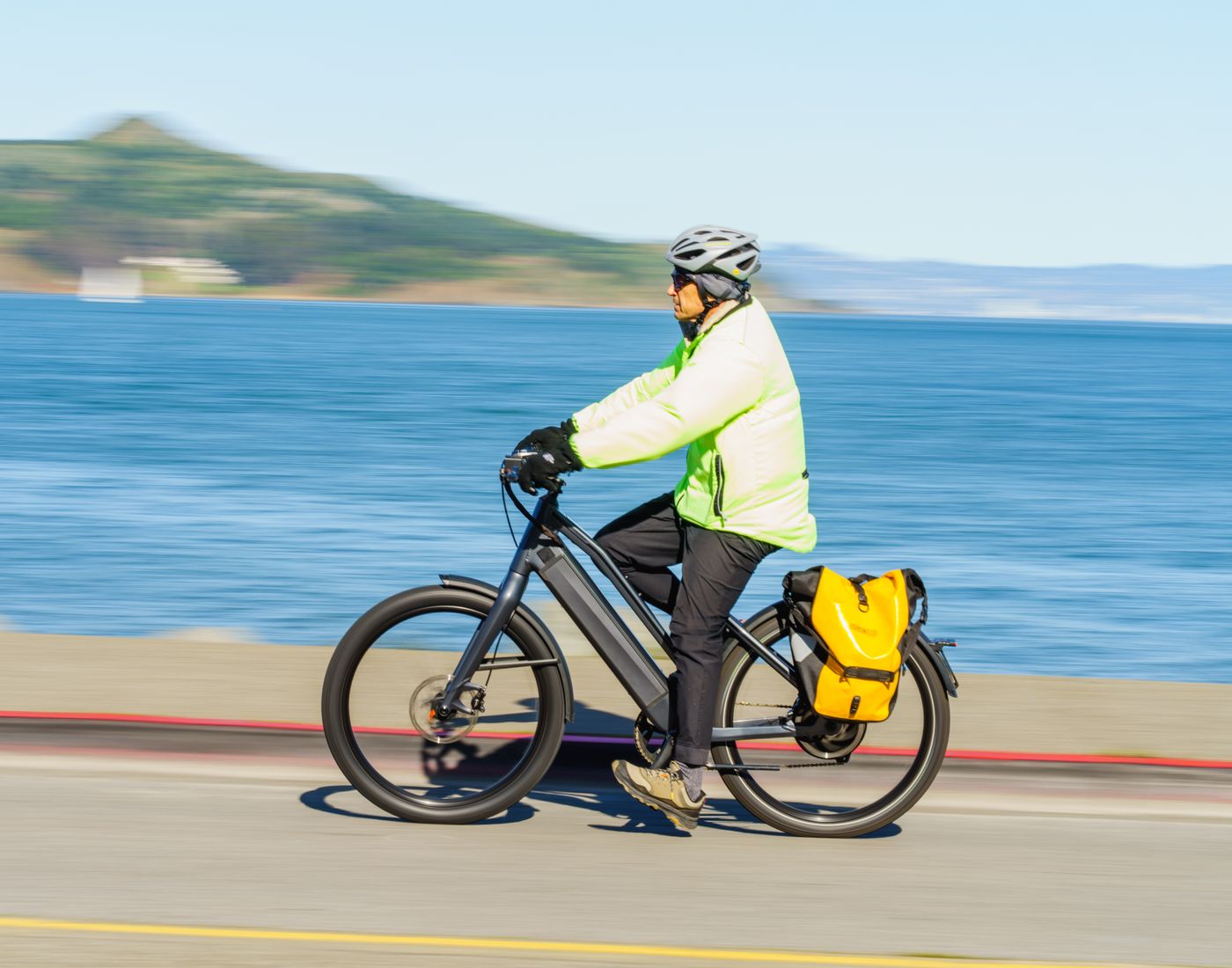
Road/XC cycling: an aero or ventilated XC helmet — lightweight, well-ventilated, minimal coverage. Trail mountain biking: a trail helmet with extended rear and side coverage, some chin protection. Enduro/DH mountain biking: a full-face helmet. Commuting: a commuter or urban helmet — ventilated but designed for all-day wear with integrated lights and visibility features.
A safe helmet that doesn't fit correctly provides significantly less protection. The helmet should sit level on your head, 1–2 finger-widths above your eyebrows. The straps should form a V-shape around each ear, with the chin strap snug enough to fit only two fingers between strap and chin. Shake your head — the helmet should move with it, not shift independently.
After any significant impact, even if you see no visible damage — EPS foam is single-use and is damaged in the crash whether or not you can see it. Replace every 5 years regardless of impacts — foam degrades from UV exposure, sweat, and normal use. Never buy a used helmet.
Not always. Virginia Tech's testing shows safety doesn't scale linearly with price. The Bontrager Specter WaveCel and Smith Session MIPS consistently score at mid-range prices. More expensive helmets typically offer better ventilation, lighter weight, and more adjustability — not necessarily more safety.
MIPS stands for Multi-Directional Impact Protection System. Given Virginia Tech's consistent testing evidence showing improved performance in angled impacts, and the small price premium ($20–40), choosing MIPS is recommended for any rider who's serious about protection.
See also: Best Bike Helmets for 2026 • Best E-Bike Helmets • Best Bike Lights
Kingbull sells its e-bikes direct rather than through dealers, which is how a mid-drive-class spec lands at a hub-motor price. Worth a look before you commit to a big-box model at the same money.
Shop Electric Bikes at Kingbull →Sponsored · Gear for the Weekend earns a commission if you buy through this link, at no extra cost to you.
The time required to choose a bike helmet: fit, safety ratings, and features explained varies depending on experience level and the specific situation. Our guide above walks through each step so you know exactly what to expect.
The gear and tools you'll need to choose a bike helmet: fit, safety ratings, and features explained are covered in the guide above. Start with the basics and add more as your skills develop.
Most people can learn to choose a bike helmet: fit, safety ratings, and features explained with some practice. Our step-by-step guide above covers the process from start to finish, including tips for first-timers.
The most common mistakes when trying to choose a bike helmet: fit, safety ratings, and features explained include rushing the process and skipping key steps. Our guide above highlights what to watch out for.