
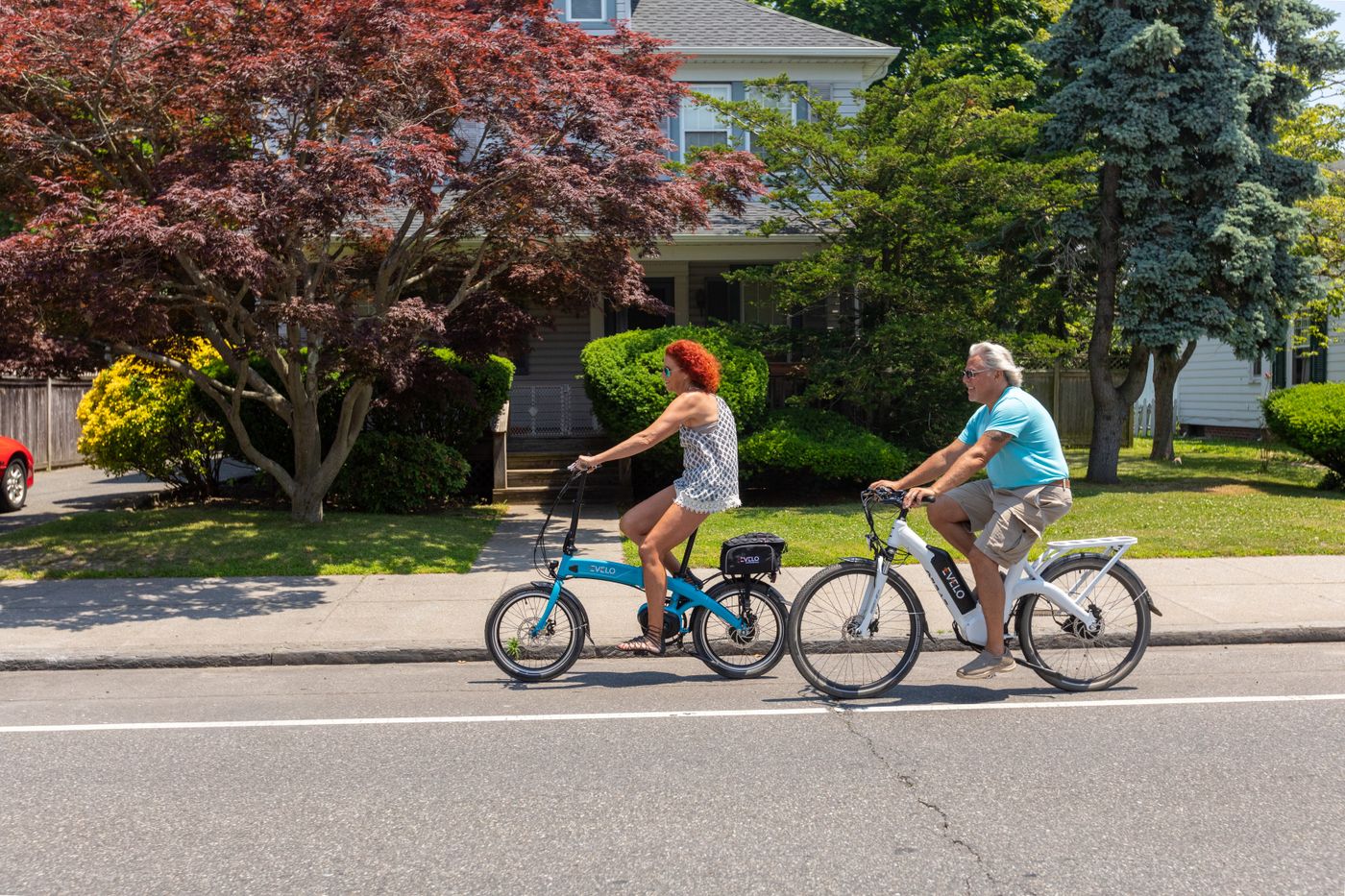
E-Bike Buying Guide: How to Choose Your First Electric Bike buyers have more options than ever. E-bikes have crossed a quality and affordability threshold that makes them a genuine transportation and recreation option for millions of people. But buying the wrong e-bike — wrong class, wrong motor position, wrong range — means it collects dust. Here's how to get it right.
Class 1: pedal-assist only, motor cuts off at 20 mph — allowed on most bike paths and trails. Class 2: pedal-assist and throttle, 20 mph — allowed on most paths but some trails ban them. Class 3: pedal-assist to 28 mph — allowed on roads, not most bike paths. For trail riding: verify what class the local trails allow before buying. For commuting: Class 3 makes road use efficient.
Hub motors (motor in the rear or front wheel) are less expensive, lower maintenance, and reliable for flat terrain and road use. Mid-drive motors (motor at the bottom bracket, center of the bike) deliver power more naturally through the drivetrain, handle hills better, and give a more bike-like feel. Mid-drive is worth the premium for hilly terrain and off-road use; hub motor is sufficient for mostly-flat commuting.
Manufacturers quote 'up to' range figures under ideal conditions. Real-world range is 60–70% of the spec. A 50-mile claimed range delivers 30–35 miles in real use with hills, start-stop traffic, and varying assist levels. For daily commuting, a battery with 10-mile more range than your round trip provides comfortable buffer. Batteries are replaceable but cost $300–600 — factor replacement into long-term cost.
E-bikes weigh 40–70 lbs — significantly heavier than regular bikes. If you have to carry the bike up stairs, live in a third-floor walk-up, or load it onto a car rack regularly, weight matters. Lightweight e-bikes in the 40–45 lb range (Specialized Vado SL, Trek FX+) exist but cost significantly more. Cargo e-bikes top 60–70 lbs and need a proper rack.
$800–1,500: entry-level from brands like Rad Power, Lectric, Aventon — functional but with basic components. $1,500–3,000: mid-tier with better motors, longer-lasting batteries, hydraulic disc brakes. $3,000–6,000: premium from Specialized, Trek, Giant, Riese & Müller — better geometry, longer warranties, dealer support. For daily commuting, the mid-tier sweet spot is $1,500–2,500.
Real-world range varies by assist level, rider weight, terrain, and wind. In moderate assist on flat terrain: 25–50 miles for most mid-tier e-bikes. In eco mode on flat roads: some bikes exceed 80 miles per charge. In high assist on hilly terrain: 15–25 miles. Track your real usage for a week to understand your range needs before buying.
In the US, Class 1 and 2 e-bikes (up to 20 mph) are treated as bicycles federally and in most states — no license, registration, or helmet law (in most states). Class 3 (up to 28 mph) laws vary by state. Check your state's specific regulations, especially for trail access and whether Class 3 bikes require helmet use.
See also: Best Mountain Bikes for 2026 • Best Cargo E-Bikes • Best E-Bike Helmets
Kingbull sells its e-bikes direct rather than through dealers, which is how a mid-drive-class spec lands at a hub-motor price. Worth a look before you commit to a big-box model at the same money.
Shop Electric Bikes at Kingbull →Sponsored · Gear for the Weekend earns a commission if you buy through this link, at no extra cost to you.
E-Bike Buying Guide: How to Choose Your First Electric Bike buyers have more options than ever. E-bikes have crossed a quality and affordability threshold that makes them a genuine transportation and recreation option for millions of people. But buyi
The cost to get into e-bike buying guide: how to choose your first electric bike varies depending on how deep you want to go. Our guide above covers budget-friendly options for beginners alongside premium picks for more serious enthusiasts.
The essential gear for e-bike buying guide: how to choose your first electric bike is covered throughout our guide above. Focus on getting the basics right first before adding specialty items.
Yes — with the right approach and gear, e-bike buying guide: how to choose your first electric bike is accessible to beginners. Our guide above is specifically written to help newcomers get started on the right foot.