
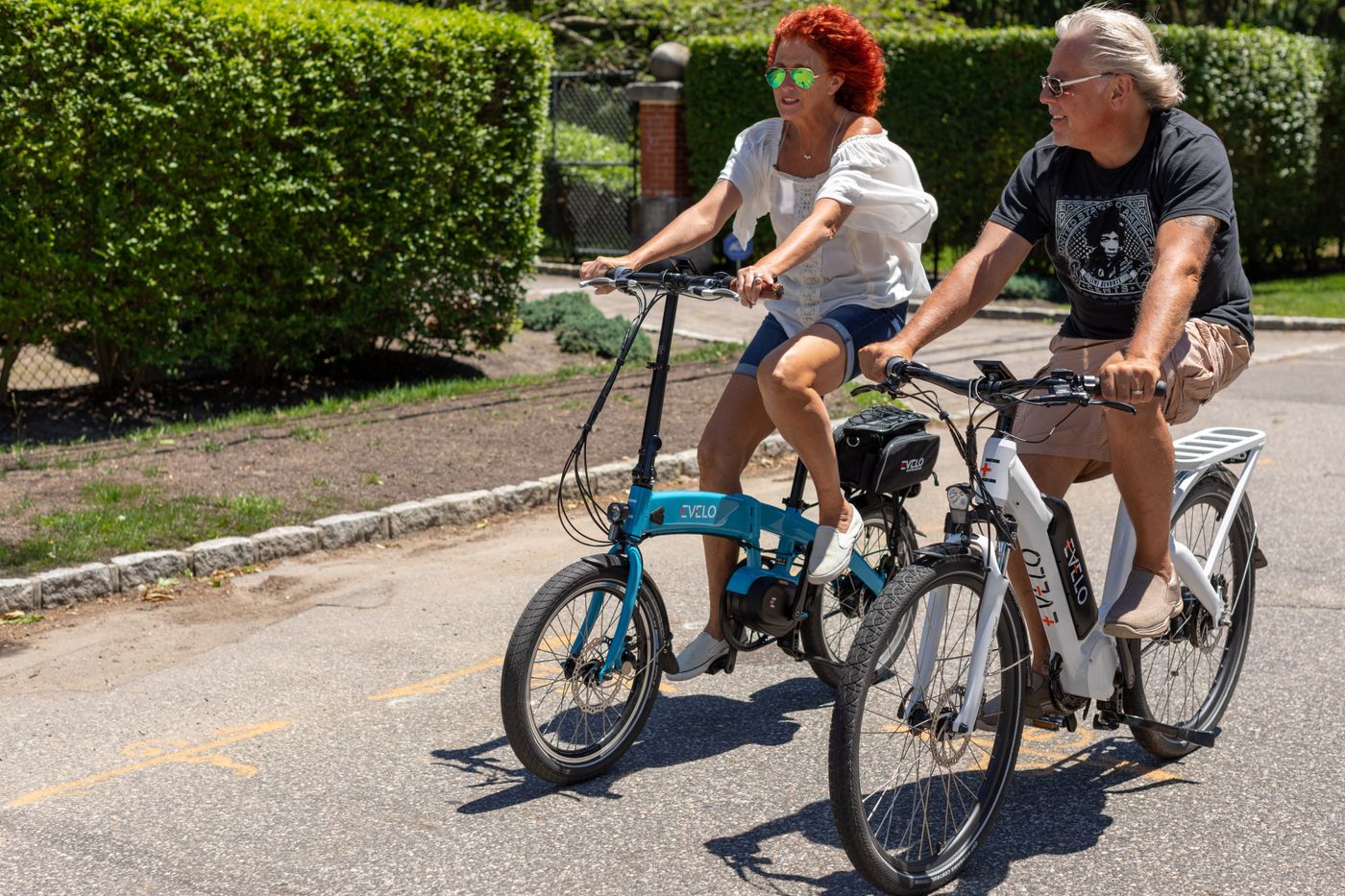
E-Bike Safety Tips: How to Ride an Electric Bike Safely buyers have more options than ever. E-bikes are significantly heavier and faster than regular bikes, and the physics of riding them safely are genuinely different. Understanding those differences before your first ride prevents the accidents that give e-bikes an undeserved safety reputation.
The average e-bike weighs 50–70 lbs vs a regular bike's 20–30 lbs. Combined with higher speeds, braking distances are 30–50% longer. On a regular bike, you can stop in 15 feet from 15 mph. On a loaded e-bike at 20 mph, that becomes 30–40 feet. Build this into your following distance and intersection approach speed — especially on downhills where motor-assisted speed builds quickly.
Class 3 e-bikes reach 28 mph — the same speed as a car in a neighborhood. At this speed, a helmet is not optional. Standard bicycle helmets are tested to protect at up to 20 mph impacts. Motorcycle-style helmets or e-bike-specific helmets (tested at higher speeds) are increasingly available and appropriate for Class 3 riders. MIPS technology reduces rotational brain injury risk in angled impacts — always worth the premium.
Throttle-equipped e-bikes can accelerate unexpectedly if the throttle is engaged while you're not ready. Know which mode your bike is in before mounting. Pedal-assist bikes are more predictable — the motor only activates when you pedal. When starting on a hill, be deliberate: engage the pedals before the motor engages so you have control of the acceleration.
In most US states, Class 1 and 2 e-bikes follow the same rules as regular bicycles — ride with traffic, follow signals, yield to pedestrians. Class 3 may have different rules by state. On multi-use paths: slow down, always yield to pedestrians, and use a bell or voice when approaching from behind. E-bikes are fast enough to genuinely startle pedestrians who don't hear you coming.
At e-bike speeds after dark, visibility is critical in both directions — seeing the road and being seen by drivers. A 600+ lumen front light is minimum for road riding without streetlights; 1,000 lumen is better. A rear flashing red light with at least 50 lumens is essential. High-visibility clothing or a vest adds significant visibility. Rechargeable light sets from Lezyne or Cygolite ($40–80) are brighter and more reliable than cheap clip-on lights.
Legally, it depends on state and age — some states require helmets for Class 3 e-bikes or riders under 18, others don't. Practically: yes, always. At the speeds and weights involved, a crash without a helmet is far more serious than with one. MIPS helmets rated for cycling at e-bike speeds are the appropriate protective gear.
E-bikes are associated with more serious injuries than regular bikes primarily because riders travel faster, often without adequate protective gear or experience. With proper helmet use, appropriate speed management for conditions, and understanding of the bike's weight and braking characteristics, e-bikes are safe transportation and recreation for most adults.
See also: Best E-Bike Helmets for 2026 • Best Bike Lights • Best Cargo E-Bikes
Kingbull sells its e-bikes direct rather than through dealers, which is how a mid-drive-class spec lands at a hub-motor price. Worth a look before you commit to a big-box model at the same money.
Shop Electric Bikes at Kingbull →Sponsored · Gear for the Weekend earns a commission if you buy through this link, at no extra cost to you.
E-Bike Safety Tips: How to Ride an Electric Bike Safely buyers have more options than ever. E-bikes are significantly heavier and faster than regular bikes, and the physics of riding them safely are genuinely different. Understanding those difference
For more on e-bike safety tips: how to ride an electric bike safely, explore the related guides linked throughout this page. Each one goes deeper on specific aspects of the topic.
Choosing gear for e-bike safety tips: how to ride an electric bike safely comes down to your budget, experience level, and how often you plan to use it. Our recommendations above are matched to different buyer profiles.