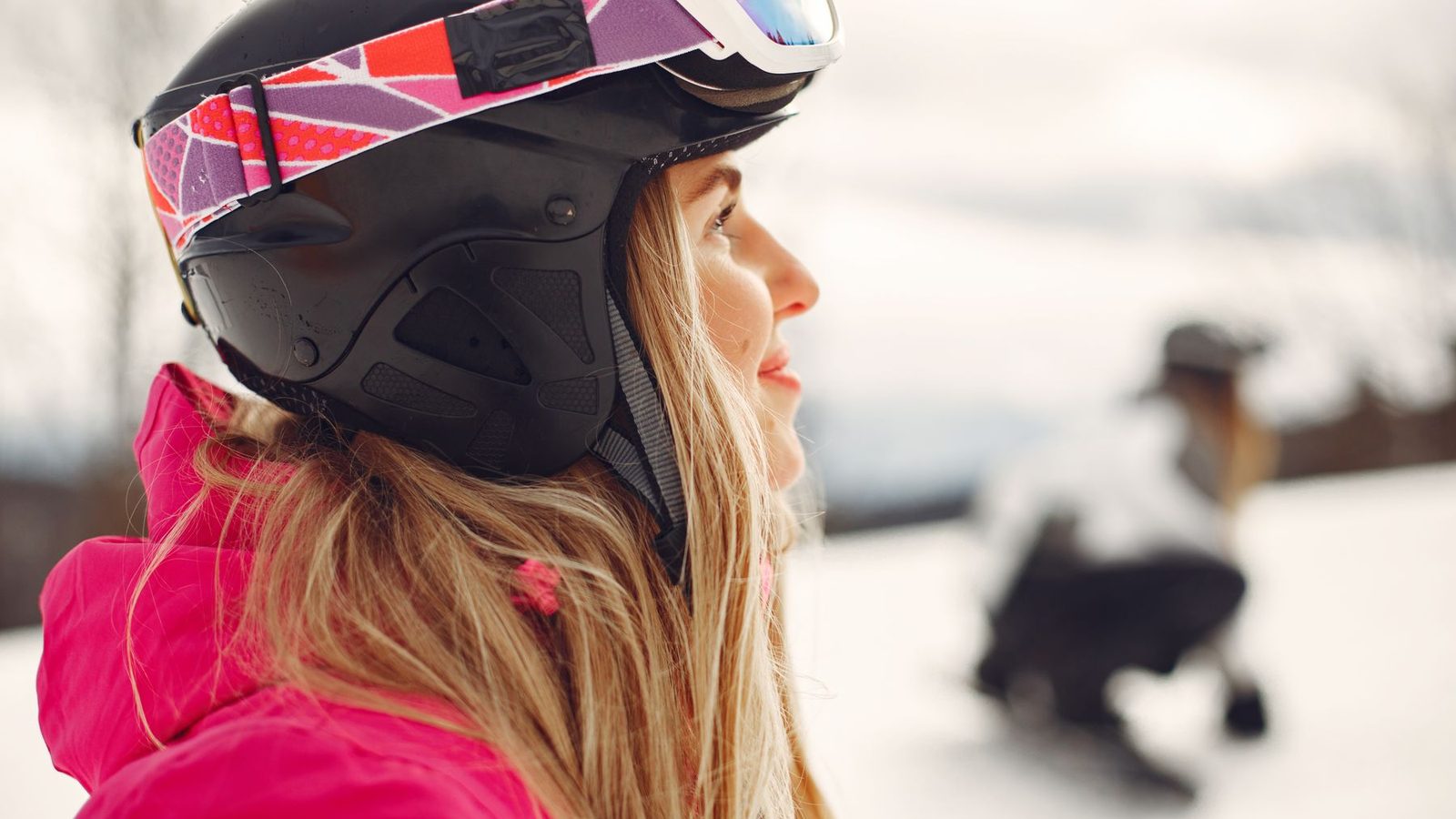
Best Ski Helmets 2026 — MIPS, Safety & Fit buyers have more options than ever. A ski helmet is the one piece of gear where you should not compromise on fit or protection rating. We compared five helmets across safety certifications, ventilation systems, and comfort — from a proven budget MIPS option to a premium audio-ready lid.
| Pick | Award | Key spec | |
|---|---|---|---|
| Smith Vantage MIPS Ski Helmet | Best Overall | — | Check price |
| Giro Range MIPS Snow Helmet | Best Budget MIPS | — | Check price |
| POC Obex BC MIPS Ski Helmet | Best Premium | — | Check price |
| Anon Merak WaveCel Helmet + MFI Goggles | Best with Audio | — | Check price |
| Sweet Protection Trooper 2Vi MIPS Helmet | Best Value Mid-Range | — | Check price |
The Smith Vantage has led the ski helmet category for several seasons because it gets the fundamentals right better than anyone else. The Koroyd core absorbs impact energy more efficiently than EPS foam at lower weight, the 21 AirEvac vents create active airflow that actually prevents goggle fogging, and the ABS shell wraps it in a clean profile that sits low on the head. MIPS is standard, not an upcharge. This is the helmet most experienced skiers end up buying after trying cheaper alternatives.
Giro's Range MIPS is where most skiers should start if budget is the primary constraint. The In-Form 2 fit system uses a rear dial to micro-adjust the fit without removing gloves, ventilation is adequate for all-mountain riding, and the MIPS liner is the same brain-protection technology found in helmets twice the price. For new skiers or those who ski fewer than 10 days a year, this is the right call.
POC builds helmets for racers and backcountry skiers who need genuine protection over styling. The Obex BC includes a RECCO avalanche reflector, the dual-compound EPS liner is designed to handle multiple impact zones, and the peripheral coverage extends lower on the skull than most helmets. For serious mountain skiers or anyone venturing into the sidecountry, this is the safety-first choice.
Anon's MFI (Magna-Tech Face Interface) system is the best helmet-goggle integration on the market — a magnetic connection eliminates the gap that lets cold air into your forehead. WaveCel liner technology uses a collapsible cellular structure that outperformed MIPS in some independent studies. If goggle integration matters and budget isn't the concern, this is the top pick.
Sweet Protection is Norway's leading ski helmet brand and less well-known in the US than it deserves to be. The Trooper 2Vi combines MIPS with viscoelastic impact-absorbing foam — a dual-layer protection system — at a price that undercuts Smith and POC. A genuine step up from budget MIPS helmets for skiers who want better protection without paying premium prices.
| Helmet | Safety Tech | Best For |
|---|---|---|
| Smith Vantage MIPS | MIPS + Koroyd | Best overall |
| Giro Range MIPS | MIPS | Budget pick |
| POC Obex BC MIPS | MIPS + RECCO | Backcountry/premium |
| Anon Merak WaveCel | WaveCel + MFI | Goggle integration |
| Sweet Protection Trooper 2Vi | MIPS + Viscoelastic | Value mid-range |
MIPS (Multi-directional Impact Protection System) adds a low-friction liner that allows the helmet to rotate slightly relative to your head during angled impacts — the most common type in skiing. Independent testing shows MIPS consistently reduces rotational force transmitted to the brain. At this point, MIPS is standard on every helmet worth buying above $100. If a helmet doesn't include it, look elsewhere unless the price is below $80.
A well-fitting $150 helmet protects better than a poorly-fitting $350 one. Measure your head circumference just above the eyebrows and match it to the manufacturer's size chart — don't assume you're a medium because you usually are. The helmet should sit level on your head (one to two finger-widths above your eyebrows), feel snug without pressure points, and not shift when you shake your head.
Budget helmets use fixed passive vents. Mid-range and premium helmets use adjustable vents you can open or close with gloved hands. Fully closed for cold mornings, partially open on spring days. If you run hot or ski hard, adjustable ventilation is worth paying for. The Smith Vantage's 21-vent AirEvac system with goggle integration is the benchmark here.
Replace after any significant impact, whether or not you see visible damage — EPS foam compresses permanently during impact and won't protect the same way again. Even without impacts, most manufacturers recommend replacing helmets every 3–5 years as foam degrades with UV exposure and sweat.
Yes — ski and snowboard helmets are built to the same safety standards and many are marketed for both. Functionally they're the same product. The distinction is mostly marketing.
MIPS is a thin slip liner; WaveCel is a structural replacement for part of the EPS foam layer. Both reduce rotational forces in angled impacts. Some independent studies show WaveCel outperforming MIPS; others show comparable results. Both are significant improvements over helmets with neither. WaveCel typically adds cost and bulk compared to MIPS.
Not necessarily, but same-brand pairings often include goggle-helmet integration features (like Smith's ChromaPop system or Anon's MFI magnetic connection) that eliminate the gap between helmet brim and goggle foam. That gap lets cold air onto your forehead — a genuine discomfort on cold days. Cross-brand compatibility works fine visually but you lose the integration benefit.
See also: Best Ski Goggles • Best Ski Jackets • Best Snowboard Helmets
The best ski helmets 2026 — mips, safety & fit balance performance, value, and durability. Our top picks cover a range of budgets and use cases — see the full comparison above for our ranked recommendations.
Ski Helmets 2026 — MIPS, Safety & Fit range in price from $249 at the budget end to $189 for premium options. The best value is usually somewhere in the middle — see our picks above for specific price breakpoints.
MIPS (Multi-directional Impact Protection System) adds a low-friction liner that allows the helmet to rotate slightly relative to your head during angled impacts — the most common type in skiing. Inde
For most first-time buyers, we recommend starting with a mid-range option rather than going straight to the most expensive ski helmets 2026 — mips, safety & fit. Smith Vantage MIPS Ski Helmet is a solid starting point based on owner reviews and published specs.
Yes — quality ski helmets 2026 — mips, safety & fit are worth the investment for anyone who uses them regularly. The key is matching the spec to how often and how hard you'll use them. Our picks above flag the best value at each price point so you're not overpaying.