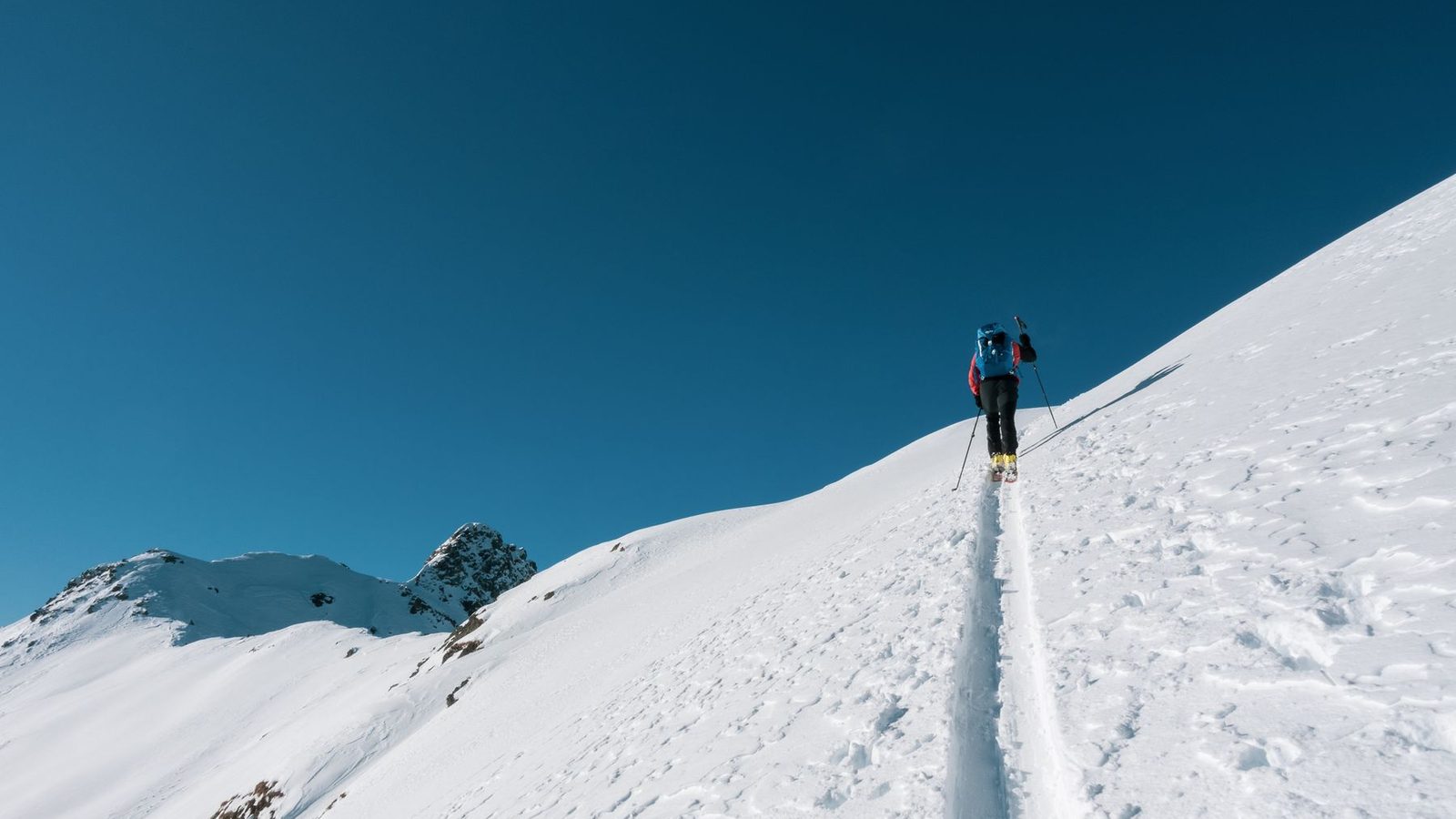
Best Ski Backpacks 2026 — Resort & Backcountry Picks buyers have more options than ever. A ski-specific backpack differs from a hiking pack in ways that matter on snow: diagonal ski carry straps (for hiking approaches), helmet attachment points, avalanche gear organization (probe, shovel, beacon pockets), insulated hydration sleeve to prevent hose freezing, and a profile that doesn't catch air or throw off balance during hard turns. For resort skiing, a small 20–25L daypack handles lunch, layers, and water. For backcountry and ski touring, a larger 30–40L pack carries safety gear, skins, and emergency supplies. We compared five packs covering both use cases.
| Pick | Award | Key spec | |
|---|---|---|---|
| Osprey Kamber 22 Ski Pack | Best Overall | — | Check price |
| Black Diamond Halo 28 Ski Pack | Best Backcountry | — | Check price |
| Burton Day Hiker 25L | Best Budget | — | Check price |
| Dakine Heli 11L Pack | Best Resort Small Pack | — | Check price |
| Mammut Free 28 Airbag 3.0 | Best Airbag | — | Check price |
The Osprey Kamber 22 is the benchmark ski daypack — 22 liters is enough volume for a full day of resort skiing (lunch, layers, water, sunscreen, first aid) while remaining compact enough to not catch air on hard turns or interfere with lift-riding. The insulated hydration sleeve prevents hose freezing in sub-zero temperatures (a real problem with non-insulated ski packs), the magnetic hose routing keeps the drink tube accessible without stopping, and the helmet attachment system secures a ski helmet externally during skinning approaches. Osprey's AllMighty Guarantee covers the pack for its lifetime regardless of cause of damage. For skiers who need one versatile pack for resort and light backcountry touring, the Kamber 22 is the definitive choice.
The Black Diamond Halo 28 is designed specifically for backcountry touring — the dedicated avy pocket keeps probe, shovel, and beacon organized and accessible for rapid deployment in an emergency, the 28L volume handles a full safety kit plus skins plus a daypack's worth of food and water, and the ski carry attachments handle both diagonal and A-frame carry for varying snow conditions on approaches. Black Diamond's alpine expertise (they make industry-leading climbing hardware) translates into thoughtful ski touring pack design. For backcountry skiers and ski tourers who are entering avalanche terrain, having properly organized avy gear in a pack built around backcountry safety needs is not optional — and the Halo 28 is the best-organized pack at this volume.
The Burton Day Hiker 25L is the budget ski daypack — at $89 it delivers the essential functions (25L of organized storage, hydration compatibility, durable construction) without the ski-specific features (insulated hydration, dedicated ski carry, avy organization) of the Osprey Kamber or Black Diamond Halo. For resort skiers who primarily carry lunch, a layer, and water rather than skinning with skis on the pack, the Burton's lack of ski-specific carry is acceptable — you'll use a ski rack or boot bag for equipment rather than packing it in. The $89 price makes it accessible for skiers who don't ski frequently enough to justify premium pack investment, and it works well as a general hiking and travel pack off the mountain.
The Dakine Heli is the slim resort pack — 11 liters is minimal enough to virtually disappear on the mountain, which is the right choice for resort skiers who want the convenience of a hydration pack and goggle storage without a bulky pack that catches air and throws off carving rhythm. Dakine has deep roots in the ski and snowboard world — the Heli line has been a resort staple for years. The insulated hydration sleeve keeps water unfrozen through the cold parts of a ski day. For resort skiers who want just enough pack to carry essentials without bulk, the Heli 11L is the go-to — but size up to the Kamber 22 for full-day mountain objectives.
Avalanche airbag packs are the most significant safety advancement in backcountry skiing — when deployed during an avalanche, the inflated airbag increases the skier's surface area and buoyancy, statistically reducing burial depth and dramatically improving survival odds. Mammut's airbag system (removable, rechargeable) is among the most respected in the industry, and the Free 28 integrates the system into a well-organized 28L pack with dedicated avy gear pockets. The $750 price is a barrier, but for serious backcountry skiers who are regularly in avalanche terrain, the risk reduction justifies the cost. A backcountry skiing safety framework requires beacon + probe + shovel + training; the airbag pack is the additional layer beyond this baseline that provides the most meaningful marginal safety improvement.
| Pack | Volume | Best For |
|---|---|---|
| Osprey Kamber 22 | 22L | Best overall resort+touring |
| Black Diamond Halo 28 | 28L | Backcountry touring |
| Burton Day Hiker 25L | 25L | Budget resort |
| Dakine Heli 11L | 11L | Slim resort pack |
| Mammut Free 28 Airbag | 28L | Backcountry safety |
Resort skiing (lift-served, day trip): 10–20L is typically sufficient. You need water, snacks, a spare layer, goggles, sunscreen, and a phone — 15L handles all of this comfortably. Ski touring and backcountry day trips: 22–30L is the standard range. Add skins, an extra safety layer, emergency bivouac (foil blanket), group first aid supplies, and avy safety tools (beacon, probe, shovel), and you need substantially more volume. Multi-day ski mountaineering: 35–50L for overnight gear. The Osprey Kamber 22 and Dakine Heli work for resort use; the Black Diamond Halo 28 is the entry point for backcountry safety-appropriate packing.
Standard hydration packs freeze at temperatures common in ski resorts (below 25°F) — the water in the hose and bite valve freezes within minutes of exposure to cold air, blocking flow. Solutions: (1) insulated hydration sleeves — keeps the reservoir above freezing; (2) insulated hose covers — wraps the hose in insulation, available as aftermarket upgrades; (3) blow-back technique — after each drink, blow air back through the hose to push water back into the reservoir before the hose can freeze; (4) insulated bite valve covers. The Osprey Kamber and Dakine Heli have insulated sleeves built in. For packs without insulation, the blow-back technique works but requires developing the habit.
No — avalanche airbag packs are designed for backcountry terrain where avalanche risk is real. In-bounds at ski resorts (within the ski area boundary), avalanche risk is managed by professional ski patrol through controlled blasting and slope closure protocols. The financial investment in an airbag pack is not appropriate for resort-only skiing. Airbag packs are for skiers who venture into sidecountry (accessible from resort lifts but outside the boundary) or full backcountry terrain where avalanche management doesn't exist. If you're entering this terrain, a beacon + shovel + probe + airbag pack + formal avalanche training is the appropriate safety framework — not one element in isolation.
Yes, with limitations. A hiking backpack on ski slopes lacks ski-specific carry systems (for attaching skis diagonally during skinning approaches), typically doesn't have insulated hydration sleeves, and usually has a profile that catches more air on high-speed turns than ski-specific designs. For casual resort skiing where you're keeping skis on at all times and carrying minimal gear, a 20–25L hiking pack is entirely adequate — many skiers never notice the difference. The ski-specific features become important when you're touring (needing to carry skis), hitting serious cold temperatures (freezing hydration), or wanting the tightest possible pack fit for aggressive all-mountain skiing.
See also: Best Ski Helmets • Best Ski Jackets • Best Avalanche Safety Gear • Best Ski Goggles
The best ski backpacks 2026 — resort & backcountry picks balance performance, value, and durability. Our top picks cover a range of budgets and use cases — see the full comparison above for our ranked recommendations.
Ski Backpacks 2026 — Resort & Backcountry Picks range in price from $180 at the budget end to $750 for premium options. The best value is usually somewhere in the middle — see our picks above for specific price breakpoints.
Resort skiing (lift-served, day trip): 10–20L is typically sufficient. You need water, snacks, a spare layer, goggles, sunscreen, and a phone — 15L handles all of this comfortably. Ski touring and bac
For most first-time buyers, we recommend starting with a mid-range option rather than going straight to the most expensive ski backpacks 2026 — resort & backcountry picks. Osprey Kamber 22 Ski Pack is a solid starting point based on owner reviews and published specs.
Yes — quality ski backpacks 2026 — resort & backcountry picks are worth the investment for anyone who uses them regularly. The key is matching the spec to how often and how hard you'll use them. Our picks above flag the best value at each price point so you're not overpaying.