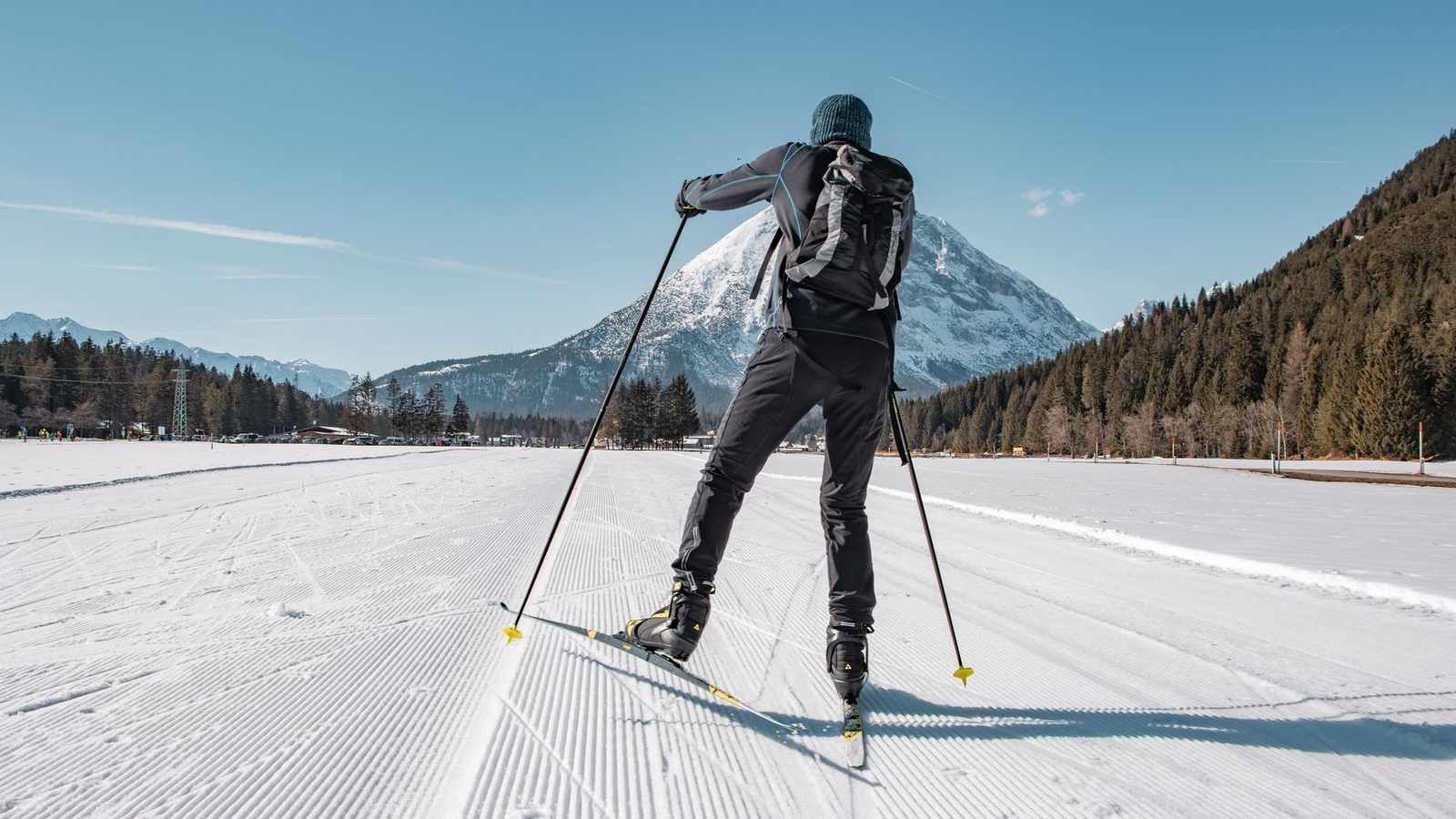
Best Cross-Country Skis 2026 — Classic, Skate & Backcountry Nordic buyers have more options than ever. Cross-country skiing divides into three distinct disciplines with incompatible techniques and equipment — classic, skate, and backcountry nordic — and the first decision any XC ski buyer needs to make is which discipline they're skiing. Classic technique uses a striding motion along groomed tracks (the parallel grooves machined into groomed XC trails); the skis have a wax pocket or skin strip in the kick zone underfoot that grips the snow during the stride's push phase. Skate technique uses a V-shaped skating motion on the wide groomed corridor beside the classic tracks and requires shorter, stiffer skis with no kick zone; skate skiing is faster and more aerobically demanding than classic. Backcountry nordic (also called XC touring or off-trail skiing) uses wider skis with metal edges for ungroomed terrain, similar to ski mountaineering but on lighter setups than alpine touring gear. Beginners should start with classic — the technique is easier to learn, waxless skins or patterned kick zones eliminate the wax complexity, and groomed classic tracks provide a forgiving learning environment. The binding system (NNN, SNS Profil, or NNN-BC for backcountry) is important: boots and bindings must be compatible within the same system.
| Pick | Award | Key spec | |
|---|---|---|---|
| Rossignol Evo XC 60 Skin Ski Package | Best Overall Beginner | — | Check price |
| Fischer Spider 62 Crown Classic Ski | Best Classic Waxless | — | Check price |
| Salomon S/Race Skate Ski | Best Skate Ski | — | Check price |
| Rossignol BC 80 Positrack Backcountry Nordic | Best Backcountry | — | Check price |
| Alpina Control 64 Classic Combo Package | Best Package Deal | — | Check price |
The Rossignol Evo XC 60 Skin Package is the recommendation for anyone starting classic XC skiing — the skin kick zone means you never have to worry about kick wax selection, temperature reading, or application technique while you're still learning to stride correctly. Once you develop the technique and want better glide performance, you can upgrade to a traditional waxable ski; for the first 10-30 days of groomed trail skiing, the Evo XC 60 handles everything appropriately.
The Fischer Spider 62 Crown is the intermediate waxless classic ski for skiers who want a single ski that handles groomed classic trails and easy backcountry terrain without the complexity of wax or the cost of a skin system — the crown base is the most durable and lowest-maintenance waxless approach, and Fischer's construction quality ensures a longer service life than entry-level alternatives. Pair with NNN bindings and appropriate classic boots.
The Salomon S/Race Skate is the correct skate ski for intermediate skiers who have taken lessons, understand the technique, and want to develop their speed on groomed nordic trails — skate skiing is significantly faster and more aerobically demanding than classic and is the primary discipline of competitive XC skiing. If you haven't tried skate skiing at a rental center first, rent before buying; if you've confirmed it's your preferred discipline, the S/Race is a durable and responsive platform at a reasonable price.
The Rossignol BC 80 Positrack is the backcountry nordic ski for winter hikers who want to cover ungroomed snowpack faster than snowshoes allow — the wider waist, metal edges, and stiffer boot compatibility make it appropriate for forest roads, rolling terrain, and moderate backcountry use where a groomed-track classic ski would be too narrow and fragile. For serious mountain touring with significant elevation change and exposure, look at dedicated alpine touring setups.
The Alpina Control 64 Combo is the right entry point for casual recreational skiers who want to try groomed XC trails without significant equipment investment — the complete package at $160 eliminates the compatibility concerns of mixing individual components, and at this price, the investment is low enough that discovering you prefer a different discipline (skate, backcountry) doesn't represent a major financial loss. Intermediate and serious skiers should invest in individually selected components for better performance.
| Ski | Width | Type | Best For |
|---|---|---|---|
| Rossignol Evo XC 60 Skin | 60mm | Classic (skin) | Best beginner |
| Fischer Spider 62 Crown | 62mm | Classic (crown) | Waxless classic |
| Salomon S/Race Skate | 45mm | Skate | Groomed skate |
| Rossignol BC 80 Positrack | 80mm | Backcountry | Off-trail touring |
| Alpina Control 64 Combo | 64mm | Classic (crown) | Budget package |
Cross-country ski sizing is different from alpine ski sizing and varies by technique. Classic skis are sized by height plus 15-20cm for beginners (a 5'10" / 178cm skier starts around 190-195cm) and adjusted down for lighter body weight and up for heavier body weight — the traditional arm-up measurement (ski tip reaches wrist of raised hand) is still a reasonable guideline. Skate skis are shorter than classic skis for the same skier, sized closer to body height or slightly above (a 5'10" skier on 185-190cm skate skis). Backcountry nordic skis follow height-based sizing similar to classic. Binding/boot compatibility is the most common error in XC ski setup — the NNN (New Nordic Norm) and SNS Profil systems are the two major groomed-trail systems and are not compatible with each other; backcountry uses the wider NNN-BC or 75mm 3-pin systems. Before purchasing, confirm your boot and binding are from the same system.
See also: Best Ski Poles • Best Ski Goggles • Best Base Layer Tops • Best Ski Helmets
The best cross-country skis 2026 — classic, skate & backcountry nordic balance performance, value, and durability. Our top picks cover a range of budgets and use cases — see the full comparison above for our ranked recommendations.
Cross-Country Skis 2026 — Classic, Skate & Backcountry Nordic range in price from $200 at the budget end to $160 for premium options. The best value is usually somewhere in the middle — see our picks above for specific price breakpoints.
Cross-country ski sizing is different from alpine ski sizing and varies by technique. Classic skis are sized by height plus 15-20cm for beginners (a 5'10" / 178cm skier starts around 190-195cm) and ad
For most first-time buyers, we recommend starting with a mid-range option rather than going straight to the most expensive cross-country skis 2026 — classic, skate & backcountry nordic. Rossignol Evo XC 60 Skin Ski Package is a solid starting point based on owner reviews and published specs.
Yes — quality cross-country skis 2026 — classic, skate & backcountry nordic are worth the investment for anyone who uses them regularly. The key is matching the spec to how often and how hard you'll use them. Our picks above flag the best value at each price point so you're not overpaying.