
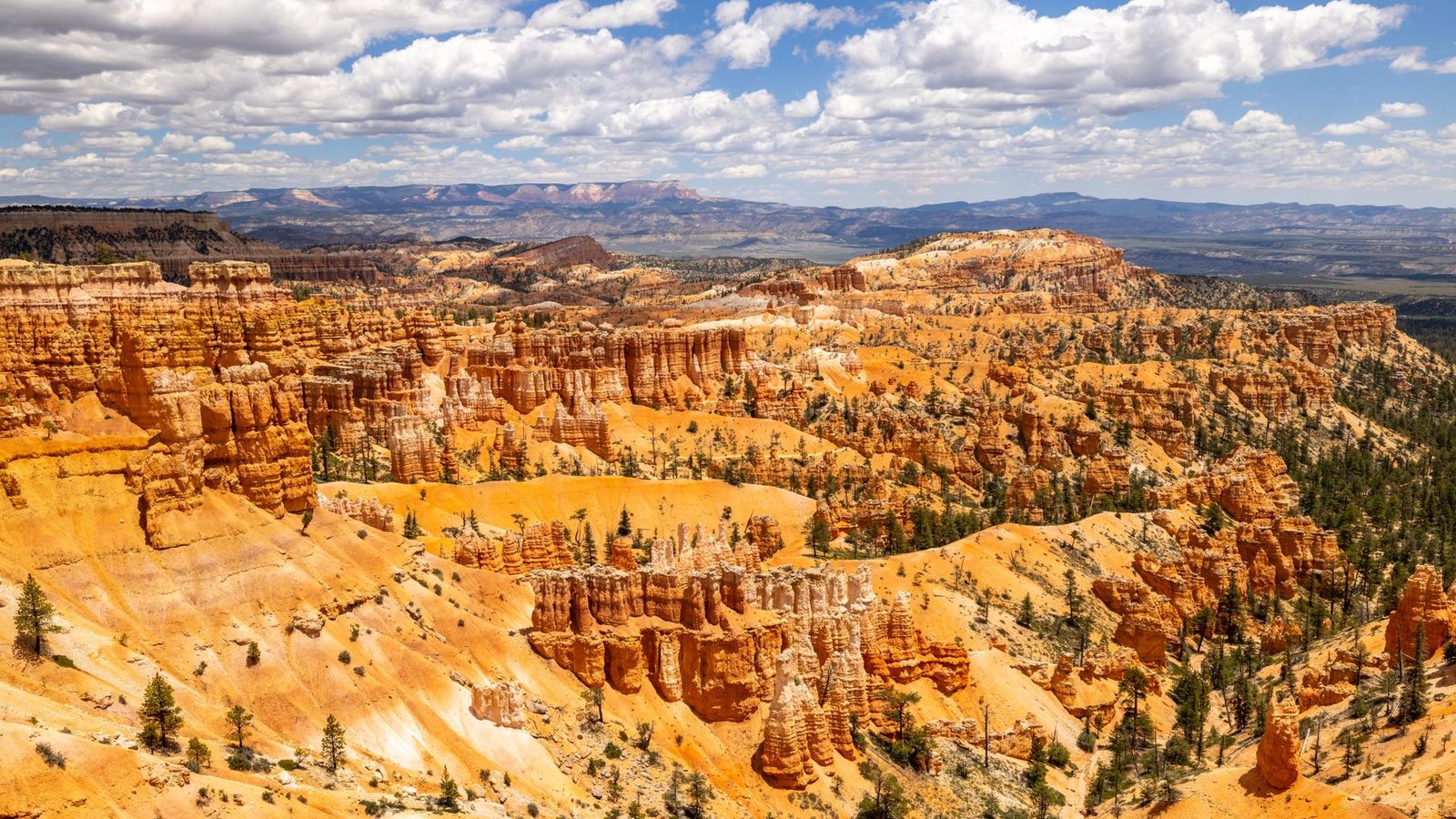
National Park Packing List: What to Bring for a Day Hike buyers have more options than ever. Day hiking in a national park is one of the best outdoor activities available — accessible enough for beginners, rewarding enough for experienced hikers. But underpreparation is responsible for the majority of park search-and-rescue calls. This list has everything you need.
Download the trail map before you leave cell service — both AllTrails Pro offline maps and the NPS app for the specific park work well offline. Know your trailhead, your destination, and at least two turning-around points based on time and energy. Tell someone (a friend, family member, or the park ranger at the visitor center) your plan before you head out.
Carry 0.5L of water per hour of planned hiking in moderate temperatures; 1L per hour in hot or high-elevation conditions. Bring more than you think you need — dehydration on trail is the most common reason hikers struggle. For a half-day hike: 2–3 liters plus snacks that provide 200+ calories per hour you expect to be active.
Bring more layers than the forecast suggests. Mountain weather changes rapidly — it may be 80°F at the trailhead and 55°F with wind at the summit. The layering system: moisture-wicking base layer (not cotton), insulating mid-layer (fleece or down jacket in a pack), and a lightweight rain shell for wind and unexpected rain. Even on a sunny July day, throw the rain shell in your pack.
A basic first aid kit (blister treatment, pain reliever, bandages, moleskin). A headlamp with fresh batteries in case you're out longer than planned. A fully charged phone in airplane mode to preserve battery for photos and emergency calls. SPF 50 sunscreen and a hat. A whistle. For any trail with long sections between the trailhead and destination: a personal locator beacon (PLB) is the best emergency signaling device available.
Pack out everything you pack in — no food scraps, no trash. Stay on the marked trail to protect fragile ecosystems. Do not approach wildlife regardless of how calm they appear. Take photos, not souvenirs. In high-traffic parks, use the toilet facilities at the trailhead before hiking — backcountry human waste management is a significant park issue. Leave flowers, rocks, and artifacts exactly where you found them.
Skip the heavy camera tripod (phones are sufficient for most hiking photography), cotton clothing (stays wet, causes chafing and hypothermia), glass bottles (heavy and fragile), more than two changes of clothes, and comfort items you won't use on trail. A well-edited daypack should weigh 10–15 lbs including water.
The NPS website for each park has trail listings with distance, elevation, and difficulty. AllTrails filters by difficulty rating and shows user-submitted photos and recent conditions reports. For first-time park visitors, ranger station staff know exactly which trails match beginner abilities and have the best scenery for the effort.
See also: Best Daypacks for 2026 • Best Trekking Poles • Best Hiking Shoes
National Park Packing List: What to Bring for a Day Hike buyers have more options than ever. Day hiking in a national park is one of the best outdoor activities available — accessible enough for beginners, rewarding enough for experienced hikers. But
For more on national park packing list: what to bring for a day hike, explore the related guides linked throughout this page. Each one goes deeper on specific aspects of the topic.
Choosing gear for national park packing list: what to bring for a day hike comes down to your budget, experience level, and how often you plan to use it. Our recommendations above are matched to different buyer profiles.