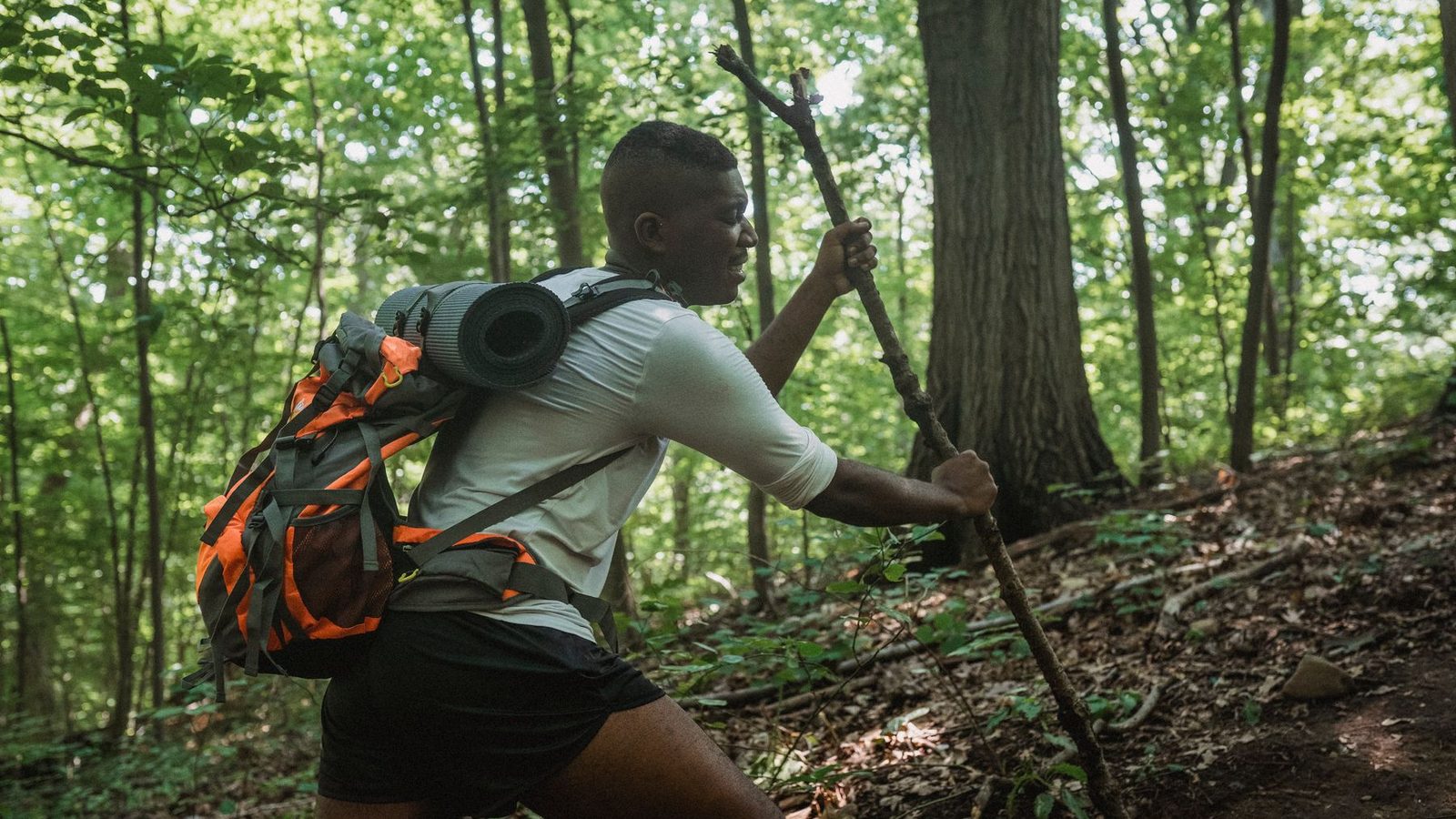
Best Backpacking Packs buyers have more options than ever. Your pack is what turns a good tent and sleeping bag into a trip you can actually carry. We compared five packs from 50L to 75L, weighing suspension quality, capacity, and how they hold up over real miles.
| Pick | Award | Price | Key spec | |
|---|---|---|---|---|
| Osprey Atmos AG 65 Backpacking Pack | Best Overall | $305.83 | Capacity 65L | Check price |
| Loowoko 50L Backpacking Pack | Best Value | $49.99 | Capacity 50L | Check price |
| Mardingtop 75L+5L Molle Backpacking Pack | Best Large Capacity | $99.99 | Capacity 75L plus 5L detachable daypack | Check price |
| WoneNice 50L Backpacking Pack | Best Budget | $42.99 | Capacity 50L | Check price |
| Bseash 60L Backpacking Pack with Rain Cover | Best Rain-Ready | $40.99 | Capacity 60L | Check price |
| Osprey Exos 58 | Best Premium Ventilation | $299.52 | Back panel Suspended trampoline-style mesh | Check price |
"A great pack disappears on your back. A bad one is all you think about by mile eight."
If you're backpacking regularly and your pack is the one piece of gear worth spending real money on, this is it. Comfort on multi-day trips is where cheaper packs fall apart, and this one doesn't.
For weekend trips where you're not carrying more than 30-35 pounds, this is the smart buy. The review volume alone makes it the safest budget choice here.
Once you're out for four or more nights, or backpacking with camera gear or winter layers, the smaller packs run out of room fast. This one doesn't.
If the Loowoko is the value pick, this is the true budget option, a few dollars less with a similar rating profile.
If you're backpacking somewhere wet and don't want to buy a rain cover separately, this bundles it in at a genuinely low price.
If you've dealt with a sweaty back on every budget pack you've owned, this is the fix, and Osprey's reputation here is earned rather than marketed.
For multi-day trips where you're carrying real weight, the extra padding here earns its keep over a longer day on trail.
| Product | Best For |
|---|---|
| Osprey Atmos AG 65 | Best overall comfort |
| Loowoko 50L | Best value |
| Mardingtop 75L Molle | Best large capacity |
| WoneNice 50L | Best budget |
| Bseash 60L | Best rain-ready |
| Osprey Exos 58 | Ventilation, hot climates |
| Gregory Paragon 60 | Multi-day comfort, heavier loads |
A 45-55L pack covers most 2-4 night trips in three-season conditions. Step up to 65-70L for longer trips, winter gear, or if you're carrying group gear like a shared tent. Bigger isn't better if it just means you pack more stuff you don't need.
A backpacking pack should carry most of its weight on your hips, not your shoulders. An ill-fitting hip belt is the single biggest reason a pack feels miserable on mile ten. If you can, try a pack on loaded with actual weight before committing, or check the brand's torso-length sizing chart carefully.
Internal frame packs with a suspended mesh back panel, like the Osprey here, breathe better and transfer weight more efficiently than simpler foam-backed budget packs. That difference is barely noticeable on a short hike and very noticeable by day three.
The Osprey Atmos AG 65 is our overall pick for anyone backpacking regularly, the suspension comfort is worth the price if you're logging real miles. For weekend trips, the Loowoko 50L delivers most of the comfort at a sixth of the price. And if you need more room for longer trips, the Mardingtop 75L is the one to reach for.
The best backpacking packs balance performance, value, and durability. Our top picks cover a range of budgets and use cases — see the full comparison above for our ranked recommendations.
Backpacking Packs range in price from $305.83 at the budget end to $299.95 for premium options. The best value is usually somewhere in the middle — see our picks above for specific price breakpoints.
A 45-55L pack covers most 2-4 night trips in three-season conditions. Step up to 65-70L for longer trips, winter gear, or if you're carrying group gear like a shared tent. Bigger isn't better if it ju
For most first-time buyers, we recommend starting with a mid-range option rather than going straight to the most expensive backpacking packs. Osprey Atmos AG 65 Backpacking Pack is a solid starting point based on owner reviews and published specs.
Yes — quality backpacking packs are worth the investment for anyone who uses them regularly. The key is matching the spec to how often and how hard you'll use them. Our picks above flag the best value at each price point so you're not overpaying.