Camping Meal Ideas: Easy Recipes for Every Type of Trip buyers have more options than ever. The best camping food is food that actually gets eaten — which means it needs to taste good after a day outside, use equipment you have at the campsite, and be manageable to prep. Here are meals that consistently work.
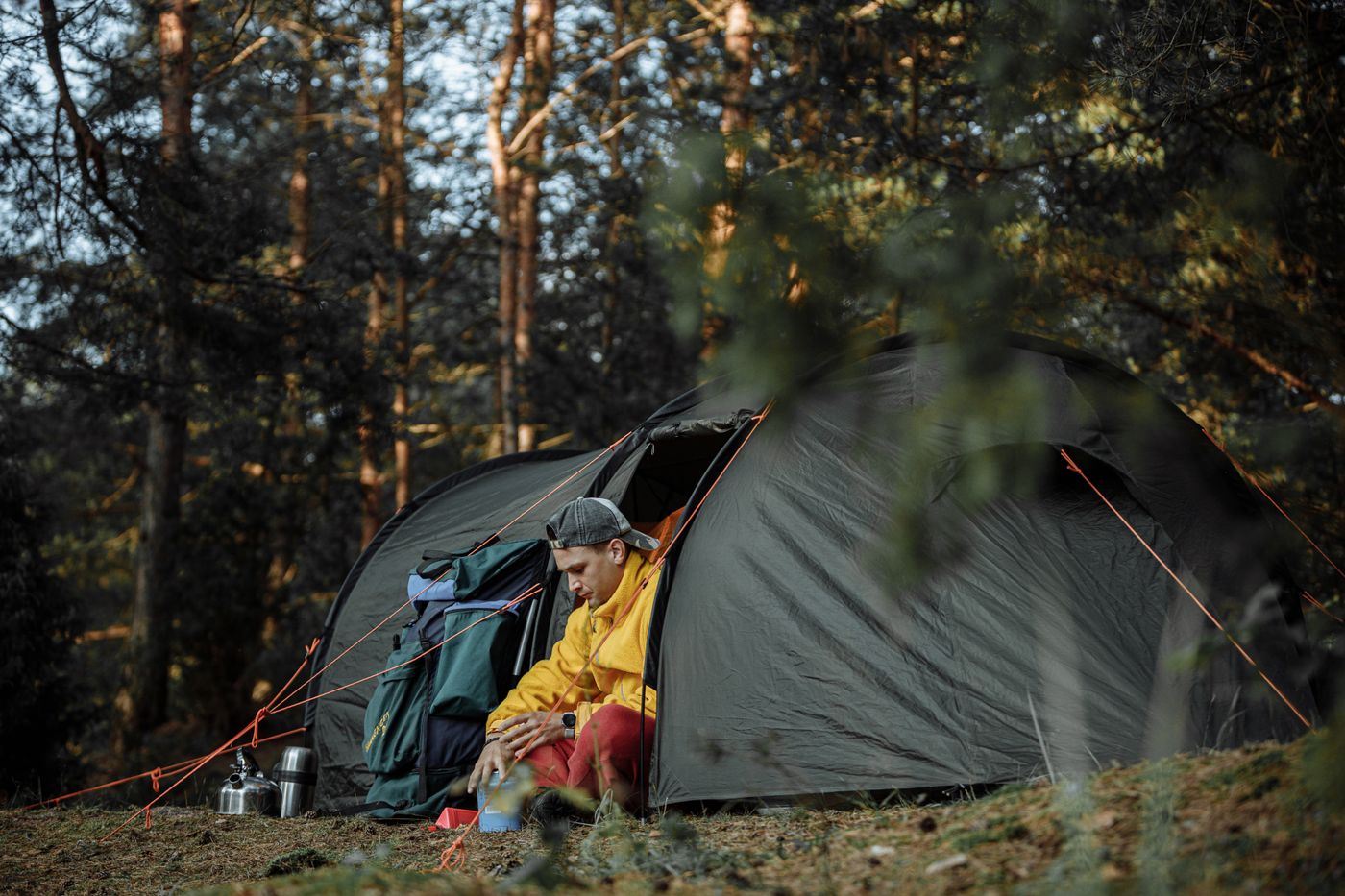
Car camping opens up real cooking options. A two-burner propane stove lets you cook anything you'd make at home. Best options: foil packet meals (meat + vegetables + olive oil wrapped in foil on the fire grate — 20 minutes, zero cleanup). Cast iron skillet breakfast: eggs, bacon, and camp potatoes. Dutch oven chili the first night, using leftovers for the second day.
For overnights, freeze-dried meals (Mountain House Beef Stroganoff, Good To-Go Indian Coconut Milk Curry) are the least stressful option — add boiling water, wait 10 minutes, eat from the bag. For longer trips where variety matters: instant mashed potatoes + tuna packets, ramen upgraded with a soft-boiled egg and dehydrated vegetables, or instant rice with a chicken seasoning packet.
Hiking burns 400–600 calories per hour on difficult terrain. Snacks with high calorie density (calories per ounce) keep energy stable: peanut butter packets (167 cal/oz), mixed nuts (160 cal/oz), dark chocolate (150 cal/oz), and dried mango or dates (80 cal/oz). A calorie-dense day's snacks in a quart zip-lock keeps you fueled and weighs almost nothing.
A campfire grate at the right height (coals, not active flames) is essential for actual cooking — active flames scorch food unevenly. Let your fire burn down to a solid coal base before cooking. Cast iron holds heat best over coals. A long-handled metal spatula or tongs lets you work the fire without burning your hands. Hardwood coals (oak, hickory) burn longer and more consistently than softwood.
In bear country, store food in a bear canister (required in many wilderness areas) or hang in a bear bag at least 10 feet off the ground and 4 feet from the trunk. Never store food in your tent. In car camping, a locked car trunk is bear-resistant (not proof) — a bear box where available is preferred. Keep a clean camp: wash dishes and dispose of grey water 200 feet from your tent.
For 3 days car camping: Day 1 dinner (foil packets or grill), Day 2 (full cooking day — breakfast, lunch, dinner), Day 3 (easy breakfast + pack out). Plan 2,500–3,000 calories per person per day for active camping. Pre-bag measured ingredients at home for faster campsite prep.
Most backpacking stoves screw onto an isobutane fuel canister and have a single burner. Boil water for freeze-dried meals, instant coffee, oatmeal, and rehydrated vegetables. Simmer capability varies by stove — the MSR WindBurner and Jetboil flash-boil water quickly but have limited simmer control. The MSR Pocket Rocket 2 has better simmer control for cooking real meals.
See also: Best Backpacking Stoves for 2026 • Best Camp Dutch Ovens • Best Camping Tents
Camping Meal Ideas: Easy Recipes for Every Type of Trip buyers have more options than ever. The best camping food is food that actually gets eaten — which means it needs to taste good after a day outside, use equipment you have at the campsite, and b
For more on camping meal ideas: easy recipes for every type of trip, explore the related guides linked throughout this page. Each one goes deeper on specific aspects of the topic.
Choosing gear for camping meal ideas: easy recipes for every type of trip comes down to your budget, experience level, and how often you plan to use it. Our recommendations above are matched to different buyer profiles.