
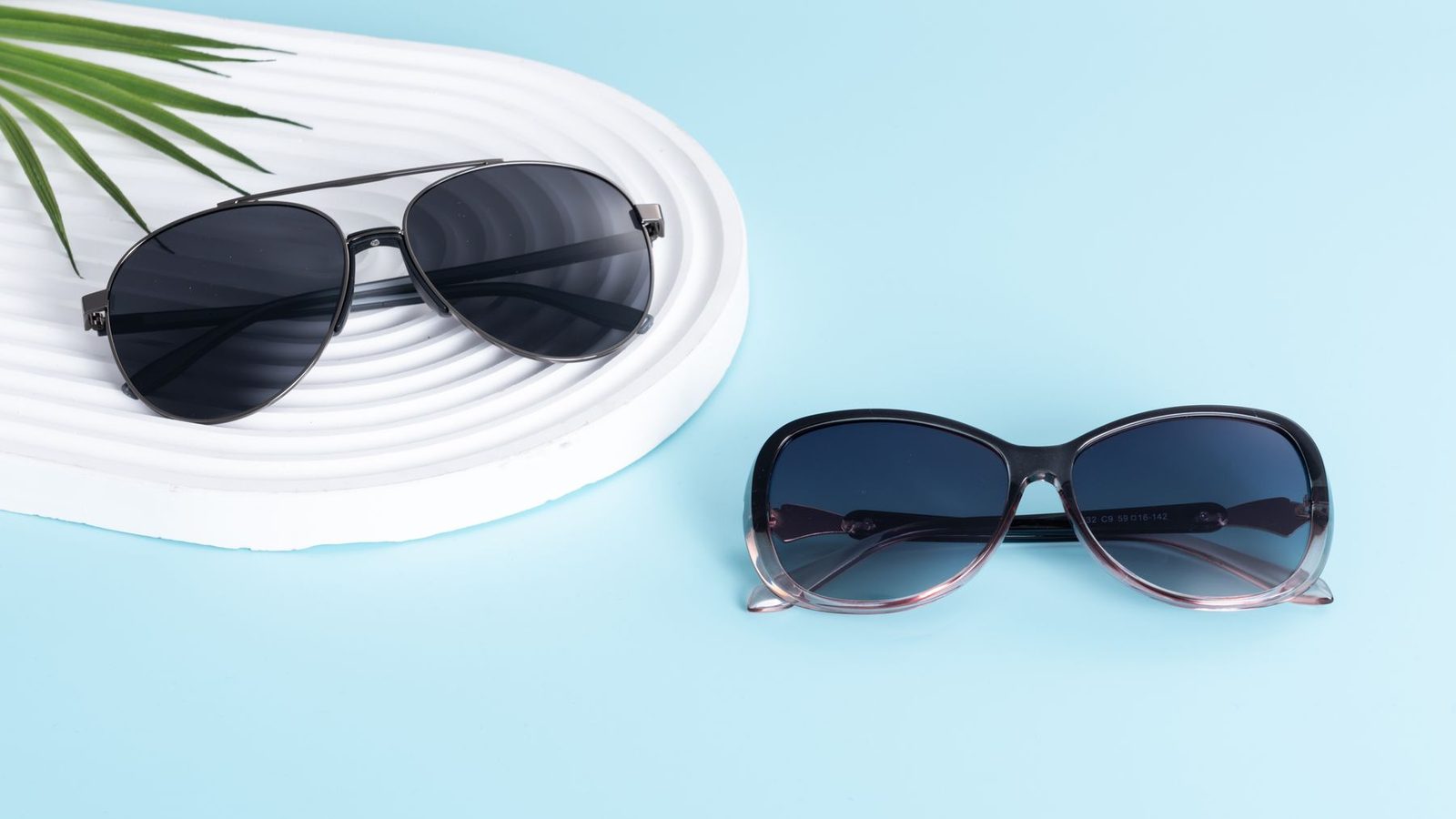
Best Sport Sunglasses 2026 — Outdoor & Athletic Picks buyers have more options than ever. Sport sunglasses differ from fashion sunglasses in three ways that matter for outdoor use: lens optical quality (polycarbonate or glass lenses rather than cheap acrylic that distorts vision), frame grip (rubber nose pads and temple tips that stay put during sweating and movement), and wrap-around coverage that blocks peripheral UV and glare. The technology spread between brands is wide — Oakley's Prizm lens coatings and Smith's ChromaPop provide genuine visual enhancement for specific environments. We compared five sunglasses across activity types and price points, from a $29 budget option to $250+ premium lenses.
| Pick | Award | Key spec | |
|---|---|---|---|
| Oakley Flak 2.0 XL Prizm Road | Best Overall | — | Check price |
| Costa Del Mar Fantail Polarized | Best for Water | — | Check price |
| Smith Attack MAG MTB ChromaPop | Best Photochromic | — | Check price |
| Duduma Polarized Sport Sunglasses | Best Budget | — | Check price |
| Goodr OG Running Sunglasses | Best for Running | — | Check price |
The Oakley Flak 2.0 XL is the benchmark sport sunglass — worn by professional cyclists, runners, and outdoor athletes who need performance optics. The Prizm Road lens technology is the key differentiator: rather than simply darkening, Prizm lenses selectively filter specific wavelengths to increase contrast in the color ranges that matter for reading terrain. On pavement, road cracks and surface changes pop with Prizm Road; on trails, root and rock hazards become more visible. The Unobtainium rubber on nose and temple grips tighter when wet from sweat — the opposite of most materials. The lightweight O-Matter frame doesn't slip, fog (with good ventilation), or fatigue during long athletic efforts. The correct Prizm variant (Road, Trail, Field, Golf) requires selecting for your primary environment — each is optimized for different light conditions.
Costa Del Mar is the dedicated fishing and watersports eyewear brand — their 580 lens technology (filtering high-energy visible light at 580nm, the wavelength that causes the most glare on water) and superior polarization quality allows you to see beneath the water surface to spot fish, rocks, and hazards that standard polarized lenses miss. For kayak fishing, surf fishing, offshore boating, and any water sport where seeing through glare is critical, Costa's optical quality is the standard. The Fantail's wrap-around frame minimizes peripheral light intrusion. Salt-resistant frame materials handle saltwater spray without degrading. If you're on the water, Costa is the specific tool; for land sports, Oakley's Prizm is more versatile.
The Smith Attack MAG solves mountain biking's specific visual challenge: rapid transitions between bright exposed sections and shadowed forest canopy that no single fixed lens handles optimally. The MAG magnetic lens interchange allows swapping lenses in one second without removing the frame — bright sun lens for open descents, clear or light lens for shaded singletrack. ChromaPop lens technology (Smith's equivalent to Oakley's Prizm) filters specific wavelengths to enhance contrast on terrain features. The photochromic option adjusts automatically without manual swaps, though it transitions more slowly in cold mountain temperatures. For mountain bikers who ride mixed light conditions, the Attack MAG's swap system is the most practical solution available.
The Duduma is the sport sunglass for buyers who want adequate protection without premium pricing — at $29 it provides polarization, UV400 blocking, and a wrap-around frame that outperforms any non-sport fashion sunglass at the same price. The five included lens colors (clear, yellow, red, silver mirror, grey polarized) cover everything from night riding to bright sun. Optical clarity at the lens edges is lower than premium options — you'll notice mild distortion in the periphery if you look for it. For casual cyclists, occasional hikers, and anyone who wants a sport sunglass to try before committing to Oakley or Smith, the Duduma is a reasonable starting point. Treat it as a trial-period purchase rather than a long-term investment.
Goodr OGs are the cult running sunglass — designed specifically for no-bounce, no-slip running performance and priced at $35 so you don't stress about losing them on a trail run. The small, round frame design stays put because of its weight (1.2 oz) and rubber grip, not because of head-clamping pressure that causes headaches during longer efforts. Polarized lenses handle bright-sun running conditions. The frame size is smaller than wrap-around sport glasses, which means less peripheral coverage but also less wind resistance and a more comfortable fit during sustained running. For trail runners and road runners who want a dedicated lightweight running sunglass without spending Oakley money, Goodr is the category-specific solution with a growing enthusiast community around it.
| Sunglasses | Lens Tech | Best For |
|---|---|---|
| Oakley Flak 2.0 XL Prizm | Prizm (contrast) | Best overall / cycling |
| Costa Del Mar Fantail | 580 polarized | Fishing / water sports |
| Smith Attack MAG ChromaPop | ChromaPop + MAG swap | Mountain biking |
| Duduma Polarized | Polarized UV400 | Budget / casual |
| Goodr OG | Polarized UV400 | Running |
Polarized lenses eliminate horizontal glare — light reflected off water, road surfaces, and snow. For fishing (seeing beneath water glare), kayaking, cycling on wet pavement, and skiing, polarization is a meaningful functional benefit. The tradeoff: polarized lenses can make LCD screens (cycling computers, phone screens, ATM screens) appear black at certain angles, which is mildly inconvenient for tech-dependent athletes. Non-polarized lenses are preferred by some cyclists who need to read their Garmin screen throughout a ride. For hiking, fishing, and most outdoor activities, polarized lenses are the better choice.
UV400 means the lens blocks all ultraviolet light up to 400 nanometers — covering both UVA and UVB. Repeated UV exposure without eye protection contributes to cataracts, macular degeneration, and photokeratitis (essentially sunburn on your cornea). Any sport sunglass marketed for outdoor use should carry UV400 certification. Note that lens darkness doesn't indicate UV protection — a dark non-UV lens can be worse than no glasses by dilating your pupils (letting in more light) while failing to block UV. Always verify UV400 certification regardless of lens tint.
For frequent outdoor athletes: yes. Prizm's selective wavelength filtering genuinely improves contrast in its target environment — you see terrain features more clearly, which improves both performance and safety. For casual outdoor users who hike occasionally and aren't pushing athletic limits, standard polarized lenses at $50–100 provide adequate UV protection and glare reduction without the Prizm premium. The Prizm benefit is most noticeable when comparing directly (put on Prizm Road vs. standard polarized on the same road) — the contrast improvement is obvious once you've experienced it.
Photochromic (light-reactive) lenses that darken in bright light and lighten in shade are convenient for activities with variable light conditions — cloud cover changes, forest canopy, and dawn/dusk transitions. The tradeoff: photochromic lenses react slowly in cold temperatures (the chemical reaction slows below 40°F), and the darkest state isn't as dark as a fixed dark lens in peak sun. For mountain biking and hiking with mixed light conditions, photochromic is a genuine convenience. For consistent bright-sun activities (road cycling in clear weather, skiing on bluebird days), a fixed optimal-tint lens outperforms photochromic.
See also: Best Cycling Helmets • Best Running Shoes • Best Ski Goggles • Best Fitness Trackers
The best sport sunglasses 2026 — outdoor & athletic picks balance performance, value, and durability. Our top picks cover a range of budgets and use cases — see the full comparison above for our ranked recommendations.
Sport Sunglasses 2026 — Outdoor & Athletic Picks range in price from $193 at the budget end to $35 for premium options. The best value is usually somewhere in the middle — see our picks above for specific price breakpoints.
Polarized lenses eliminate horizontal glare — light reflected off water, road surfaces, and snow. For fishing (seeing beneath water glare), kayaking, cycling on wet pavement, and skiing, polarization
For most first-time buyers, we recommend starting with a mid-range option rather than going straight to the most expensive sport sunglasses 2026 — outdoor & athletic picks. Oakley Flak 2.0 XL Prizm Road is a solid starting point based on owner reviews and published specs.
Yes — quality sport sunglasses 2026 — outdoor & athletic picks are worth the investment for anyone who uses them regularly. The key is matching the spec to how often and how hard you'll use them. Our picks above flag the best value at each price point so you're not overpaying.