
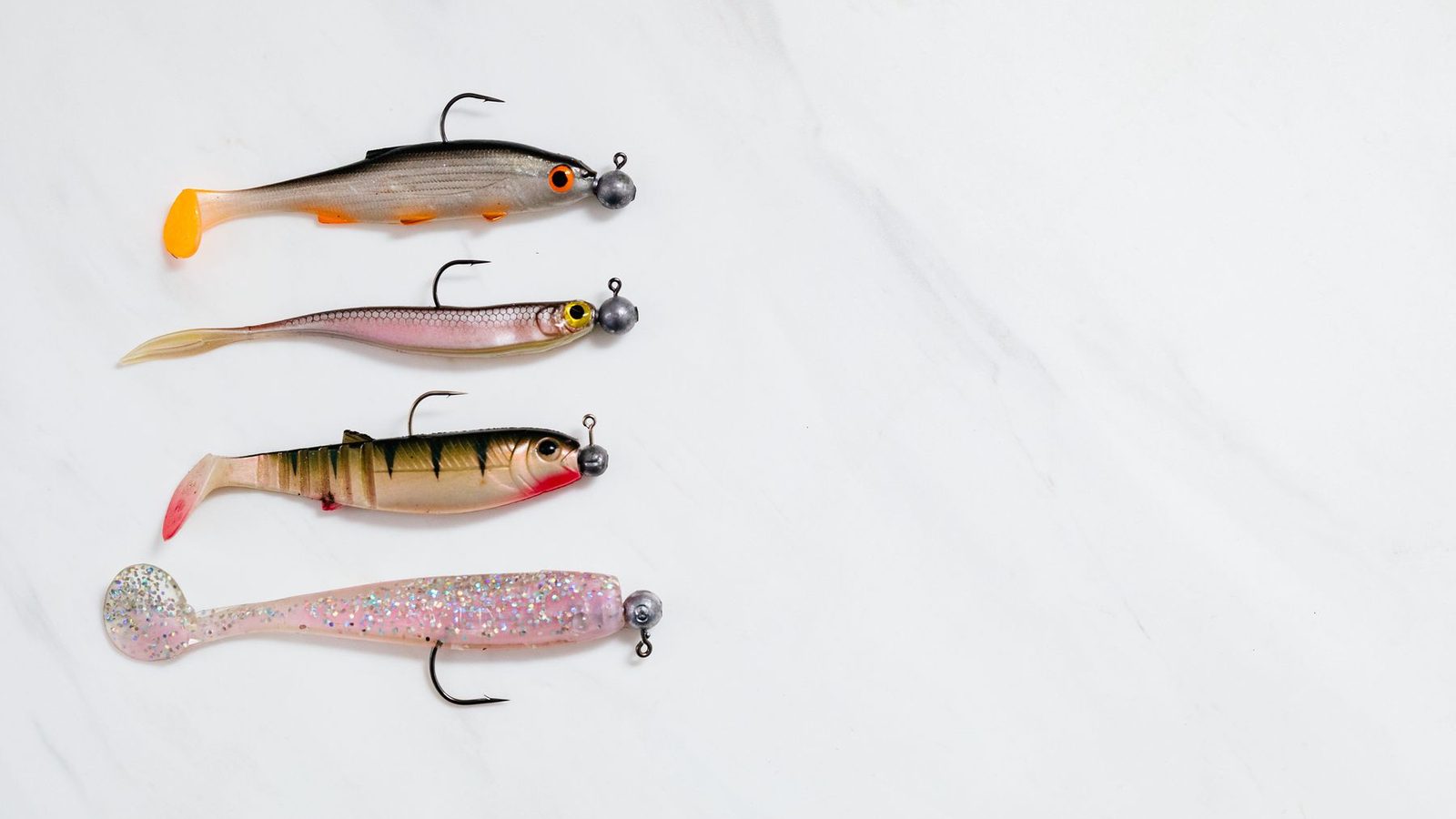
Best Finesse Fishing Gear 2026 — Light Tackle Bass buyers have more options than ever. Finesse fishing is the light-tackle bass fishing approach that uses smaller lures, lighter line, and more subtle presentations than conventional power fishing — it is the technique that catches fish when conventional crankbaits, spinnerbaits, and heavier Texas-rigged plastics aren't producing. The principle behind finesse fishing is matching lure size and action to the behavior of bass under specific conditions: cold water (bass metabolism slows and they won't chase large fast lures); post-frontal high pressure (bass become inactive and reluctant to move far from bottom); heavily pressured water (bass that have been caught multiple times become selective and ignore the large conventional presentations); and clear water (bass can inspect lures carefully and reject presentations that don't look natural at close range). Finesse fishing gear is characterized by lighter rod power (medium light to light spinning rods), smaller line (6-10 lb fluorocarbon or 10-15 lb braided line with a fluorocarbon leader), smaller reels (2500-3000 size spinning reels with smooth drag systems), and lighter, more subtle lures (4-5" finesse worms, 2-4" drop shot baits, small shakey heads, Ned rigs, and 3/16-1/4 oz finesse jigs). This guide covers the best finesse fishing gear components for building a light-tackle bass setup.
| Pick | Award | Key spec | |
|---|---|---|---|
| Daiwa Tatula Elite 7'1" Medium Light Spinning | Best Finesse Rod | — | Check price |
| Shimano Stradic FL 2500 Spinning Reel | Best Spinning Reel | — | Check price |
| Z-Man TRD (The Real Deal) 2.75" Finesse Worm | Best Ned Rig | — | Check price |
| Strike King Shakey Head Jig 3/16 oz | Best Shakey Head | — | Check price |
| Berkley PowerBait Chigger Craw 3" (10-pack) | Best Finesse Jig | — | Check price |
The Daiwa Tatula Elite 7'1" ML is the finesse rod for anglers who have progressed past entry-level spinning gear and want the sensitivity and graphite quality that tournament fishing demands — the HVF Nanoplus blank transmits finesse bites and bottom composition information that separates the Tatula Elite from rods at half the price.
The Shimano Stradic FL 2500 is the finesse reel for anglers who want zero flex under load and smooth drag on light fluorocarbon — the Hagane body's rigidity under the stress of a large bass on 6 lb fluorocarbon is the feature that prevents the drive gear flex that causes line-lay problems on lower-quality spinning reels.
The Z-Man TRD is the most consistently productive finesse bait in American freshwater bass fishing — the floating tail on the mushroom head jig sitting on bottom is a presentation that inactive, post-frontal bass will pick up when they ignore every other lure in the tackle box. The TRD doesn't look like much out of the water, but it catches bass at all water temperatures and under all pressure conditions.
The Strike King Shakey Head 3/16 oz is the finesse jig for shaking finesse worms in place on rocky and sandy bottom where bass are holding but reluctant to chase — drag it to a rock or log, park it, and make the tail shimmy with small rod tip vibrations for 30-45 seconds before moving. Bass that have been watching the worm settle will often pick it up during the shake.
The Berkley Chigger Craw 3" is the finesse trailer and drop shot bait for bass that can smell their food — the PowerBait formula adds an olfactory trigger to the visual presentation that increases the duration bass hold the bait before spitting it, giving more time for the hook set on finesse presentations where line sensitivity and bite detection are critical.
| Finesse Gear | Category | Key Feature |
|---|---|---|
| Daiwa Tatula Elite 7'1" ML | Spinning rod | HVF Nanoplus sensitivity |
| Shimano Stradic FL 2500 | Spinning reel | Hagane body / no flex |
| Z-Man TRD 2.75" | Ned rig bait | Floating ElaZtech tail |
| Strike King Shakey Head | Finesse jig head | In-place shaking presentation |
| Berkley Chigger Craw 3" | Finesse trailer / bait | PowerBait scent formula |
Knowing when to switch to finesse fishing is as important as knowing how to fish finesse gear. The four primary situations that warrant switching from power fishing to finesse: cold water (below 55°F water temperature — bass metabolism slows proportionally with water temperature and they won't expend the energy to chase fast-moving lures); post-frontal conditions (24-48 hours after a cold front moves through — barometric pressure rises, skies clear, winds shift northwest, and bass become unusually inactive; this is the most consistent finesse fishing trigger in freshwater bass fishing); heavy fishing pressure (heavily fished tournament lakes where the same bass have been caught and released multiple times become selective toward presentations they haven't seen repeatedly — finesse presentations that haven't become "normal" in that fishery outperform conventional presentations); and clear, calm water with visible bass (bass that can see the angler and examine lures carefully reject conventional presentations more readily — the smaller profile and slower movement of finesse presentations reduces rejection). The transition from power to finesse is the skill that separates good bass anglers from great ones — being willing to slow down, downsize, and accept slower-moving strikes rather than chasing reaction bites is a mindset shift as much as a tackle change.
See also: Best Drop Shot Fishing • Best Bass Lures • Best Spinning Rods • Best Crankbaits
The best finesse fishing gear 2026 — light tackle bass balance performance, value, and durability. Our top picks cover a range of budgets and use cases — see the full comparison above for our ranked recommendations.
Finesse Fishing Gear 2026 — Light Tackle Bass range in price from $200 at the budget end to $6 for premium options. The best value is usually somewhere in the middle — see our picks above for specific price breakpoints.
Knowing when to switch to finesse fishing is as important as knowing how to fish finesse gear. The four primary situations that warrant switching from power fishing to finesse: cold water (below 55°F
For most first-time buyers, we recommend starting with a mid-range option rather than going straight to the most expensive finesse fishing gear 2026 — light tackle bass. Daiwa Tatula Elite 7'1" Medium Light Spinning is a solid starting point based on owner reviews and published specs.
Yes — quality finesse fishing gear 2026 — light tackle bass are worth the investment for anyone who uses them regularly. The key is matching the spec to how often and how hard you'll use them. Our picks above flag the best value at each price point so you're not overpaying.