
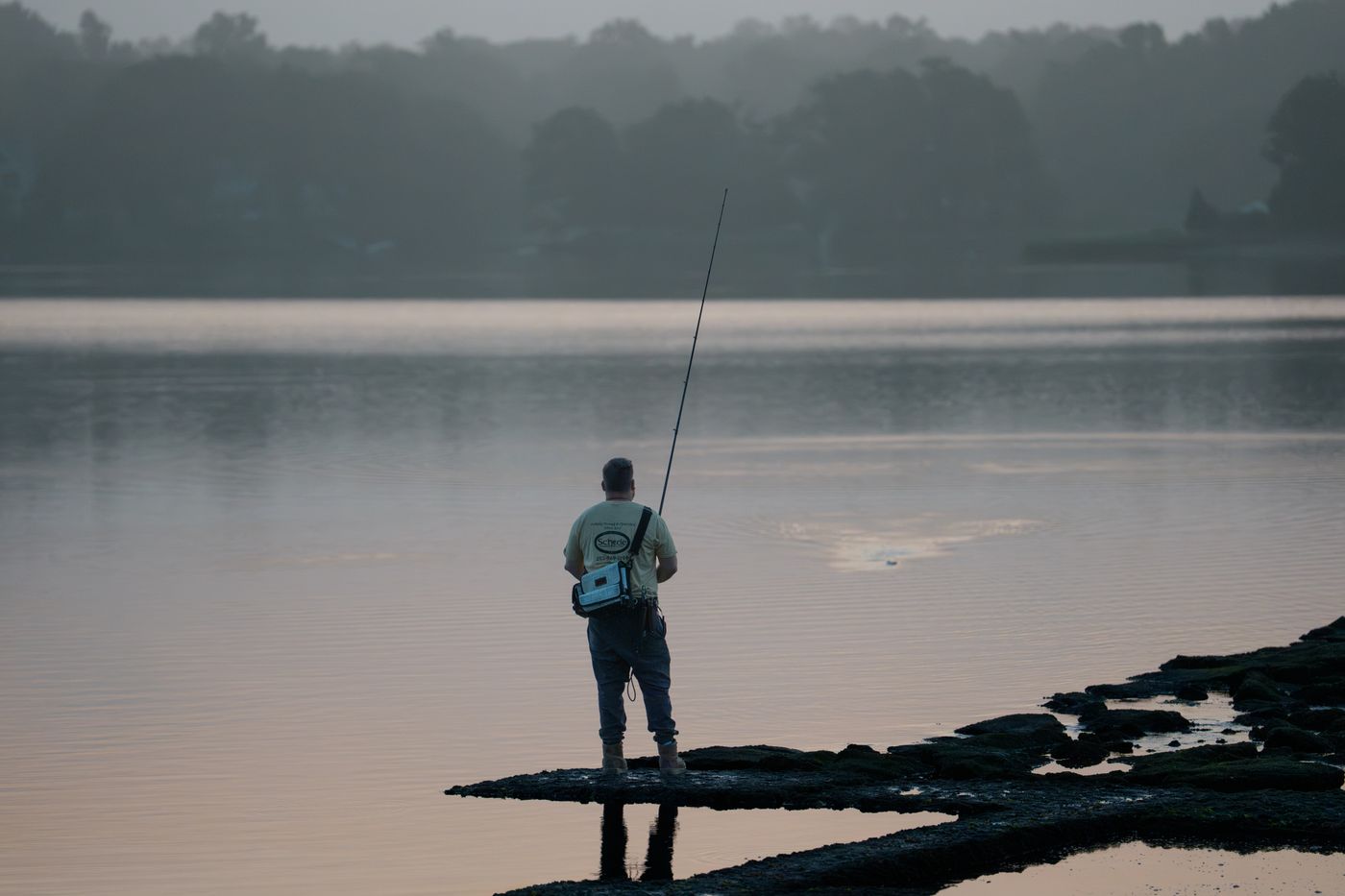
Best Spinning Reels 2026 — Bass, Trout & All-Around Picks buyers have more options than ever. Spinning reels are the most versatile fishing reel type — easier to use than baitcasters, better for light lures and lines than conventional reels, and appropriate for everything from ultralight trout fishing to medium-weight bass and inshore saltwater applications. Key specs to evaluate: drag system (max drag in pounds, smoothness under pressure), gear ratio (retrieval speed — lower for power, higher for speed), ball bearings (more bearings generally = smoother retrieve), and size (1000–3000 for light freshwater, 4000–6000 for heavier freshwater and light salt, 6000+ for offshore). We compared five reels across the freshwater and light saltwater use cases.
| Pick | Award | Key spec | |
|---|---|---|---|
| Shimano Stradic FL 2500HG | Best Overall | — | Check price |
| Pflueger President 30 Spinning Reel | Best Budget | — | Check price |
| Penn Battle III 3000 Spinning Reel | Best for Saltwater | — | Check price |
| Shimano Sedona 1000 FI Spinning Reel | Best Ultralight | — | Check price |
| Daiwa Exist LT2500D-XH | Best Premium | — | Check price |
The Shimano Stradic FL has been the "best mid-range spinning reel" answer for years across fishing forums, YouTube reviews, and tackle shop recommendations — at $199 it consistently outperforms reels at $250–300 from competing brands and absolutely destroys the competition at its own price point. The Hagane cold-forged aluminum gears run noticeably smoother than the stamped or cast brass gears in sub-$100 reels, the MicroModule II system reduces gear noise and play, and Shimano's quality control means the reel is consistent unit-to-unit. For freshwater bass, walleye, pike, and light-to-medium inshore applications, the Stradic FL is the recommendation that most serious anglers converge on.
The Pflueger President is the budget spinning reel that fishing guides recommend to beginning anglers who want quality without stepping into the $150–200 range — at $59, the 10-bearing system and carbon fiber drag provide performance that makes the reel feel premium despite its price. A long track record represent one of the most broadly validated fishing reels on the platform. For anglers who fish 10–20 times per year for bass, trout, and general freshwater species, the Pflueger President provides 90% of the Shimano Stradic's performance at 30% of the price. For serious anglers who fish 50+ days per year, the Stradic's durability advantage becomes meaningful; for recreational users, the President is the right call.
Penn is the name in saltwater spinning reels — the Battle III's full metal body and rotor construction resist the corrosive effects of saltwater that attack the plastic components in freshwater-designed reels over time. The HT-100 Versa-Drag system handles the powerful runs of inshore saltwater species (redfish, snook, stripers, bluefish) that freshwater drag systems can't manage consistently. At $99 it's significantly cheaper than comparable quality freshwater reels in the same tier while providing better saltwater resistance. For anglers who fish primarily in saltwater — coastal surf, inshore bays and estuaries, pier fishing — the Penn Battle III is the natural choice over freshwater-optimized alternatives.
The Shimano Sedona 1000 is the ultralight trout and panfish reel — 1000-series reels are specifically designed for the light line (4–8 lb test), small lures (1/32–1/4 oz spinners, small jigs, tiny crankbaits), and finesse presentations that catch trout, bluegill, crappie, and similar light-tackle species. Shimano's quality at $69 provides a noticeably smoother retrieve than budget alternatives for the line weights where reel smoothness most affects presentation quality (light braid and monofilament are more sensitive to reel imperfections than heavier lines). For trout anglers in streams and rivers who want ultralight tackle performance without premium pricing, the Sedona 1000 is the standard recommendation.
The Daiwa Exist is the pinnacle of freshwater spinning reel engineering — the Zaion carbon composite body achieves a weight-to-stiffness ratio that neither aluminum nor plastic can match, the Magsealed bearings use ferrofluid magnetic sealing that keeps bearings smooth and corrosion-free through years of wet fishing without conventional bearing maintenance, and the overall retrieve feel is qualitatively different from any reel in the $200–300 range. At $549 it's appropriate only for tournament bass anglers, professional guides, and passionate recreational anglers who fish constantly and want the best tool available. For the vast majority of recreational anglers, the Shimano Stradic FL delivers 90% of the Exist's performance at 36% of the price.
| Reel | Size | Best For |
|---|---|---|
| Shimano Stradic FL | 2500 | Best overall freshwater |
| Pflueger President | 30 | Budget |
| Penn Battle III | 3000 | Saltwater |
| Shimano Sedona 1000 | 1000 | Ultralight / trout |
| Daiwa Exist LT | 2500 | Premium freshwater |
Spinning reel size numbers (1000, 2500, 4000, etc.) indicate the spool diameter and capacity. Practical guide: 1000–2000 — ultralight trout, panfish, small stream fishing with 4–8 lb test; 2500–3000 — light to medium bass, walleye, pike, light inshore salt with 8–15 lb test; 3500–4000 — medium bass, larger freshwater species, light to medium inshore salt with 12–20 lb test; 4000–6000 — heavy freshwater, inshore salt (redfish, stripers) with 15–30 lb test; 6000–10000 — offshore, big game inshore, surf fishing with 20–50 lb test. When in doubt, size up rather than down — an undersized reel with line capacity issues is more limiting than a slightly oversized reel.
Gear ratio (e.g., 6.0:1) describes how many times the spool rotates per handle turn — a 6.0:1 reel retrieves line 6 times faster than a 1.0:1 reel. Practical implications: slower ratios (5.0:1 and below) provide more torque for fighting large fish and work well with slow-rolling lures like swimbaits; higher ratios (6.0:1+) retrieve line quickly for reaction baits, burning topwater lures, and taking up slack quickly after hook sets. Most freshwater applications are served by a 5.8:1–6.5:1 gear ratio ("High Gear" or "HG" designation in Shimano's lineup). Very high ratios (7.0:1+) are specialized for specific techniques like burning crankbaits or burning jerkbaits fast.
Basic maintenance after each use: rinse with fresh water if used in salt water, wipe down the exterior, check that the drag washer is loosened (store with drag backed off to prevent drag washer compression). Annual maintenance: disassemble per manufacturer's service manual, clean and re-grease gears (use reel grease, not oil), re-oil bearings with reel oil, inspect line roller bearing for corrosion. Signs that service is needed: grinding feeling in the retrieve, clicking during retrieve, drag that doesn't release smoothly. Many tackle shops offer reel service for $25–50. Premium reels (Shimano Stradic, Daiwa Exist) benefit from annual service; budget reels are often more economical to replace than service after 3–5 years of regular use.
Spinning reels perform well with both monofilament and braided line. Monofilament pros: stretches (acts as shock absorber for light hooks and light rods), floats (good for topwater presentations), cheaper, easier to handle. Braid pros: zero stretch for immediate hook sets, much thinner diameter for the same pound test (more line on spool, longer casts), lasts much longer. Most serious anglers use braid as the main line with a monofilament or fluorocarbon leader of 2–4 feet for lure presentation and abrasion resistance. For beginners, start with 10 lb monofilament (easy to handle, forgiving, good for learning) before experimenting with braid + leader setups.
See also: Best Bass Fishing Rods • Best Fishing Lines • Best Tackle Boxes • Best Fishing Gear
The best spinning reels 2026 — bass, trout & all-around picks balance performance, value, and durability. Our top picks cover a range of budgets and use cases — see the full comparison above for our ranked recommendations.
Spinning Reels 2026 — Bass, Trout & All-Around Picks range in price from $199 at the budget end to $549 for premium options. The best value is usually somewhere in the middle — see our picks above for specific price breakpoints.
Spinning reel size numbers (1000, 2500, 4000, etc.) indicate the spool diameter and capacity. Practical guide: 1000–2000 — ultralight trout, panfish, small stream fishing with 4–8 lb test; 2500–3000 —
For most first-time buyers, we recommend starting with a mid-range option rather than going straight to the most expensive spinning reels 2026 — bass, trout & all-around picks. Shimano Stradic FL 2500HG is a solid starting point based on owner reviews and published specs.
Yes — quality spinning reels 2026 — bass, trout & all-around picks are worth the investment for anyone who uses them regularly. The key is matching the spec to how often and how hard you'll use them. Our picks above flag the best value at each price point so you're not overpaying.