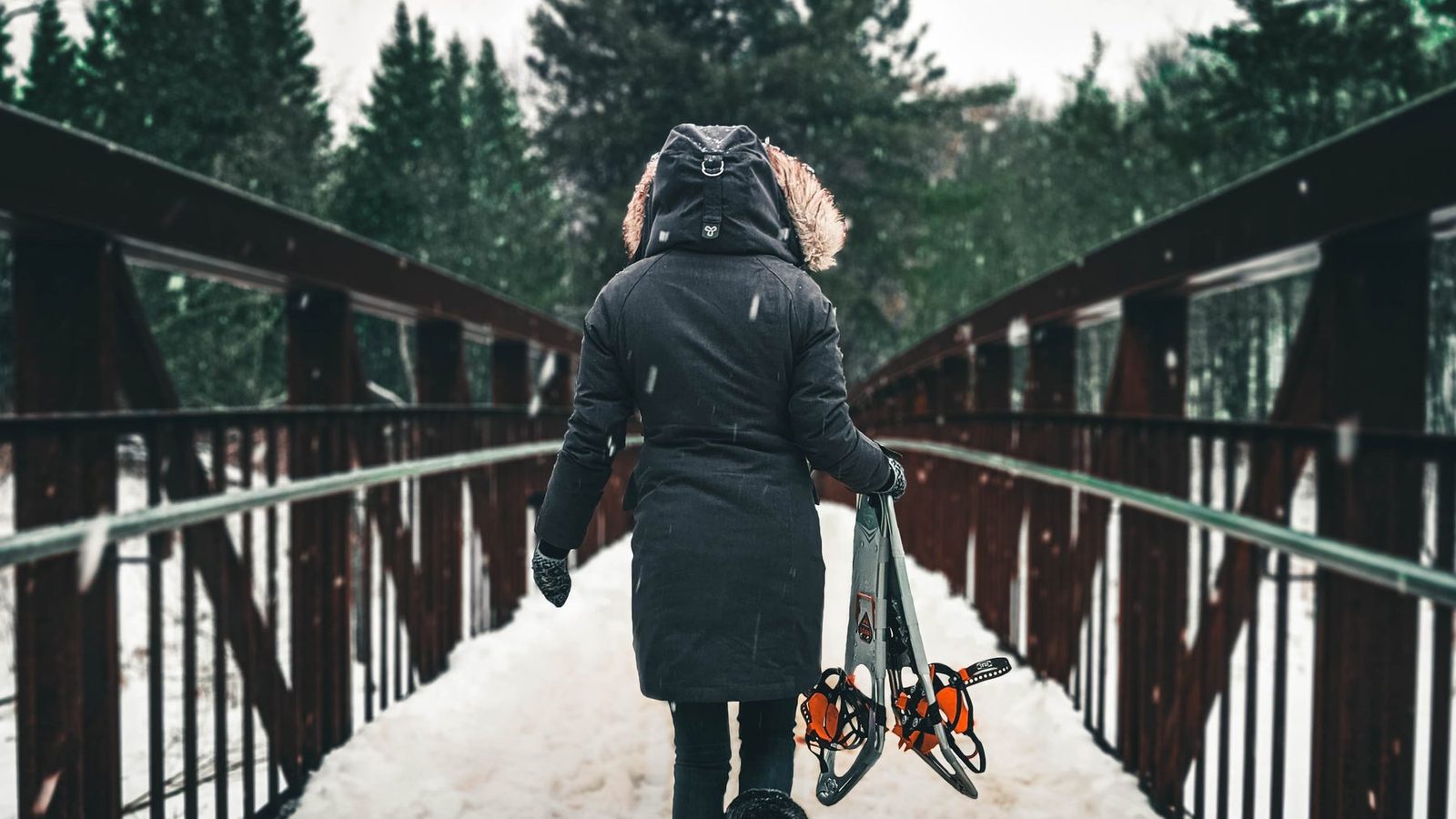
Best Snowshoes 2026 — Recreational, Trail & Backcountry Picks buyers have more options than ever. Snowshoes open up winter hiking trails that become inaccessible after snowfall — the same paths you hike in summer become pristine winter routes that most people never see. Modern snowshoes are nothing like the wooden frames of the past: aluminum and composite frames, aggressive crampon systems, and ratchet bindings that work with any boot turn them on in under a minute. The main variables are frame size (determined by your weight plus pack), traction system, and binding type. We compared five snowshoes from a budget recreational pair to a technical backcountry option.
| Pick | Award | Key spec | |
|---|---|---|---|
| MSR Evo Trail Snowshoes | Best Overall | — | Check price |
| MSR Lightning Ascent Snowshoes | Best Backcountry | — | Check price |
| Yukon Charlie's Pro Snowshoes | Best Budget | — | Check price |
| Tubbs Wilderness 25 Women's Snowshoes | Best Women's | — | Check price |
| Chinook Trekker Youth Snowshoes | Best for Kids | — | Check price |
MSR is the dominant brand in serious outdoor snowshoes and the Evo Trail is their most accessible entry point — capable enough for most recreational winter hiking without the price premium of their backcountry models. The steel crampon bar provides positive traction on packed snow, icy trails, and moderate side-slopes. The Paragon binding ratchet system cinches over any boot in seconds without requiring specific footwear. The standout feature is compatibility with MSR's Modular Flotation Tails — extender pieces that clip onto the back of the frame to increase surface area for deep powder conditions. You buy one pair of snowshoes and can adapt them for varying conditions.
The MSR Lightning Ascent is what winter mountaineers and aggressive backcountry snowshoers use when conditions demand maximum performance. The 360-degree traction framewerk — crampon points around the entire perimeter and underfoot — handles the steep icy slopes and aggressive side-hilling that recreational snowshoes struggle with. The Televator heel lift bar reduces the calf fatigue of prolonged steep ascents by allowing the heel to rest at a raised angle rather than constant plantarflexion. The Torsion2 decking flexes through the natural motion of the foot rather than fighting it. For winter peaks, steep forest descents, and avalanche terrain travel, this is the technical choice.
Yukon Charlie's Pro delivers a complete snowshoe kit — frames, bindings, and poles — at a price that makes sense for occasional users testing whether snowshoeing will become a regular activity. The aluminum frame handles flat and moderately rolling terrain in packed snow conditions adequately, and the included poles help with balance for new snowshoers. Durability and traction are noticeably below MSR's standards, but for a family wanting to try snowshoeing on groomed winter trails before committing to quality gear, $89 represents a reasonable experiment. If you snowshoe more than 5–6 times, upgrade to MSR.
Snowshoe gait is affected by frame width — if the frames are too wide for your natural walking stride, you're forced into an uncomfortable outward-splayed gait that fatigues quickly. Women's-specific snowshoes use narrower frames calibrated for the closer hip width and shorter stride of typical female gait, producing a more natural walking motion. Tubbs Wilderness women's frames at 25 inches wide hit this correctly for most women. The Active Fit binding wraps the forefoot securely, the crampon traction handles moderate trail and side-hill conditions, and the overall system works well for the winter hiker who wants a reliable all-around snowshoe sized correctly for her body.
Children's snowshoes are sized for smaller feet and lighter weights — an adult snowshoe on a child provides too much surface area and makes walking awkward and exhausting. Chinook's Trekker youth frames are appropriately sized for children 6–12 years old, with a simple buckle binding that young children can work independently without adult help (critical for keeping family trips moving). The terrain limitation is real — these aren't technical frames for challenging terrain, just practical tools to keep kids on top of the snow during family winter hikes. At $59, they're appropriately priced for gear that will be outgrown within 2–3 seasons.
| Snowshoe | Terrain | Traction | Best For |
|---|---|---|---|
| MSR Evo Trail | Recreational / trail | Steel crampon | Best overall |
| MSR Lightning Ascent | Backcountry / steep | 360° frame | Serious backcountry |
| Yukon Charlie's Pro | Flat / groomed | Basic crampon | Budget / beginner |
| Tubbs Wilderness 25 | Recreational / trail | Crampon | Women's fit |
| Chinook Trekker Youth | Flat / groomed | Basic | Kids ages 6–12 |
Snowshoe size is determined by your total weight — body weight plus the weight of your pack and gear. Heavier loads require larger frames for adequate flotation (staying on top of the snow rather than punching through). General guideline: up to 150 lbs use 22–25" frames, 150–200 lbs use 25–30" frames, 200+ lbs use 30–36" frames. In deep powder, go one size larger than the weight chart suggests. On packed snow, you can go one size smaller.
Bindings connect your boot to the snowshoe frame. Key properties: compatibility with your boot type (trail runners through insulated winter mountaineering boots), ease of use with gloves on (ratchet systems are easier than buckles in cold), and heel hold (the binding should prevent your heel from lifting too much to avoid scooping snow with each step). MSR's Paragon binding and Tubbs' Active Fit are the two standards that work well across most boot types.
Poles are optional but recommended, especially for beginners and on any terrain with significant elevation change. On flat groomed trails, many experienced snowshoers go without poles. On side-hills, descents, and in deep snow where balance is challenged, poles provide meaningful stability. Trekking poles already in your gear closet work perfectly — you don't need snowshoe-specific poles. Adjust them to standard trekking pole length (elbow bent at 90 degrees).
Yes — modern snowshoe bindings accommodate trail runners, hiking boots, and insulated winter boots in the same frame. Cold temperatures and deep snow favor insulated waterproof winter boots. For packed groomed trails in moderate cold, trail runners or regular hiking boots with waterproofing work fine. The boot doesn't need to be specially designed for snowshoeing — the binding wraps whatever footwear you have.
Snowshoeing on flat to rolling terrain is approximately 30–40% more effort than equivalent hiking on bare ground due to the weight of the snowshoes and the muscular effort of lifting them through snow. For the same distance and elevation, plan for significantly more time and effort than summer hiking. Deep unpacked powder is substantially harder than packed or groomed snow. Start with flat or gently rolling groomed trails and build from there.
Most groomed cross-country ski trail systems prohibit snowshoes on groomed tracks — snowshoes damage the carefully set ski tracks. Check the specific trail system's rules before heading out. Most systems have designated snowshoe trails or allow snowshoes on ungroomed sections. National Forest and wilderness snowshoe routes are generally ungroomed and fully accessible to snowshoers.
See also: Best Ski Helmets • Best Hiking Gear • Best Trekking Poles • Best Rain Jackets
The best snowshoes 2026 — recreational, trail & backcountry picks balance performance, value, and durability. Our top picks cover a range of budgets and use cases — see the full comparison above for our ranked recommendations.
Snowshoes 2026 — Recreational, Trail & Backcountry Picks range in price from $169 at the budget end to $59 for premium options. The best value is usually somewhere in the middle — see our picks above for specific price breakpoints.
Snowshoe size is determined by your total weight — body weight plus the weight of your pack and gear. Heavier loads require larger frames for adequate flotation (staying on top of the snow rather than
For most first-time buyers, we recommend starting with a mid-range option rather than going straight to the most expensive snowshoes 2026 — recreational, trail & backcountry picks. MSR Evo Trail Snowshoes is a solid starting point based on owner reviews and published specs.
Yes — quality snowshoes 2026 — recreational, trail & backcountry picks are worth the investment for anyone who uses them regularly. The key is matching the spec to how often and how hard you'll use them. Our picks above flag the best value at each price point so you're not overpaying.