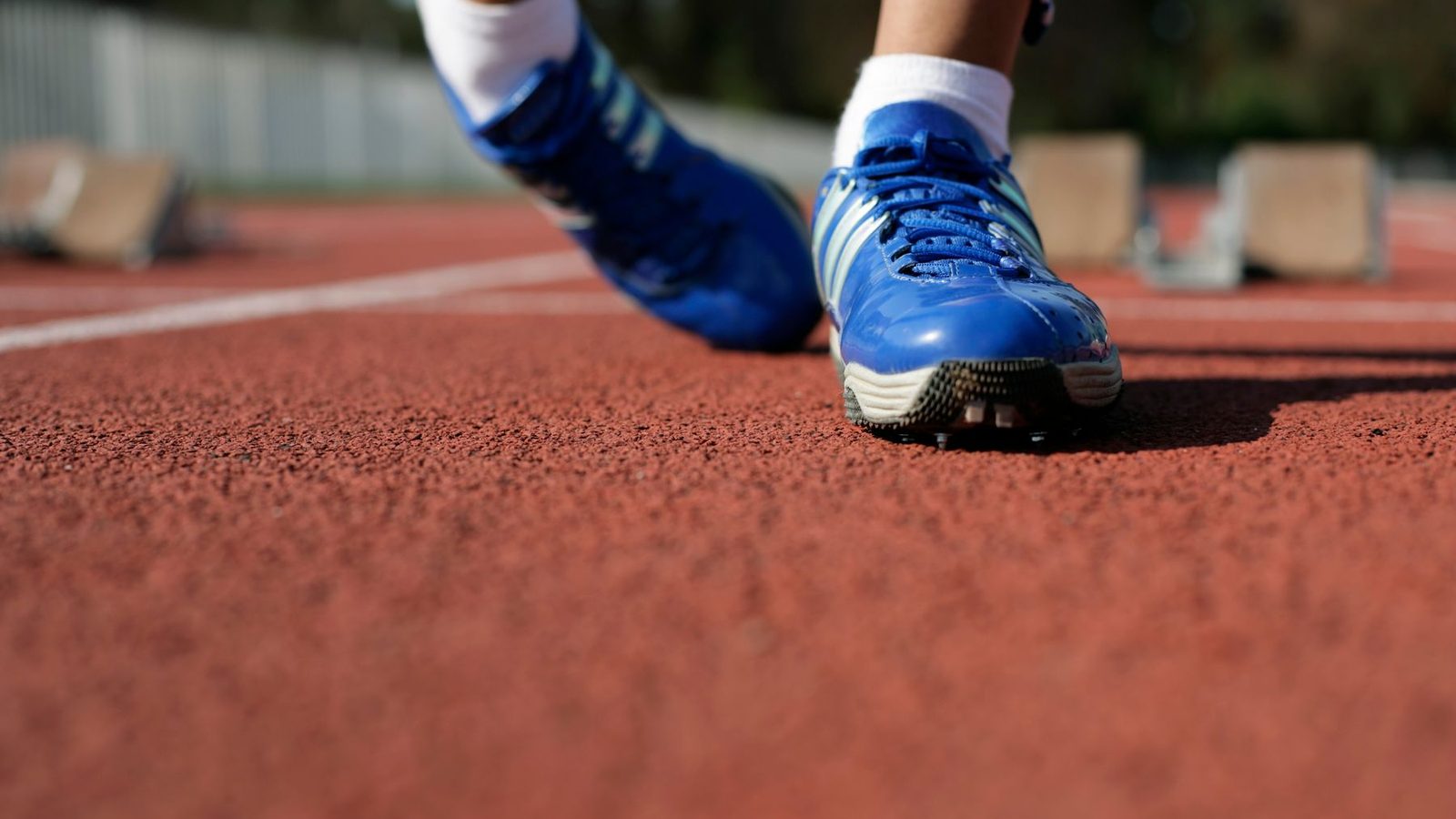
Best Running Shoes 2026 — Road & Everyday Picks for Men & Women buyers have more options than ever. Running shoe technology has changed more in the past five years than in the prior two decades. Carbon fiber plates, nitrogen-infused foams, and rocker geometries that were exclusive to sub-2-hour marathon attempts now appear in shoes priced for everyday runners. The challenge is matching the right shoe to your running style, mileage, and goals — more cushioning isn't always better, and more expensive isn't always faster. We compared five road running shoes across the key categories.
| Pick | Award | Key spec | |
|---|---|---|---|
| Brooks Ghost 16 | Best Overall | — | Check price |
| Nike Vaporfly 3 | Best for Speed | — | Check price |
| ASICS Gel-Kayano 31 | Best Stability | — | Check price |
| HOKA Clifton 9 | Best Max Cushion | — | Check price |
| New Balance Fresh Foam X 1080v13 | Best Value | — | Check price |
The Brooks Ghost has been the bestselling running shoe in the US for multiple years running — not because it's the most innovative or most cushioned, but because it works reliably for almost every runner. The DNA Loft v3 cushioning adapts to your stride pattern with neither the instability of ultra-soft foam nor the harshness of firmer daily trainers. The segmented crash pad at the heel handles heel strikers, midfoot strikers, and forefoot strikers equally. Available in wider widths than most performance shoes. For runners who want a proven, reliable daily trainer that handles any pace from easy recovery runs to moderate tempo work, the Ghost 16 is the default recommendation.
Nike's Vaporfly line started the carbon plate running shoe era in 2017 and the category still hasn't caught up. The ZoomX foam combined with a full-length carbon fiber plate creates a propulsive effect that independent research has shown improves running economy by 4–6% compared to traditional shoes — a meaningful advantage in any race context. The Vaporfly 3 updates the midsole geometry for better stability without sacrificing the speed characteristics. For recreational runners targeting half-marathon or marathon PRs, racing flats are worth owning as race shoes even if you train in something more durable and affordable.
Stability running shoes add structure to the medial (inner) side of the midsole to reduce the excessive inward rolling (overpronation) that causes knee and IT band injuries in some runners. The ASICS Gel-Kayano 31 is the stability shoe with the longest reputation for getting this balance right — enough structure to control overpronation without the rigidity that makes some stability shoes feel like running in a cast. PureGEL technology in the heel provides excellent impact absorption for high-mileage training weeks. For runners whose previous shoes have shown uneven medial wear patterns, or who have been told by a running store specialist that they overpronate, the Kayano is the benchmark stability recommendation.
HOKA popularized maximum cushioning running shoes and the Clifton is where most runners start with the brand. The oversized midsole absorbs road impact significantly better than conventional cushioning, which is why HOKA is particularly popular with older runners, high-mileage runners, and anyone returning from injury. The rocker geometry — a curved sole that rolls from heel to toe — compensates for the high stack height by promoting a natural forward roll rather than the clunky feel high-cushion shoes used to have. The Clifton 9 remains the lightest shoe in the max-cushion category at this level. For anyone whose knees or feet start complaining after 45+ minutes on pavement, HOKA's cushioning approach addresses the problem directly.
The New Balance 1080 line has built a loyal following among competitive recreational runners for consistent quality, reliable fit, and a midsole that maintains its cushioning properties over higher mileage than competitors. The v13 updates the Fresh Foam X compound for better energy return without sacrificing the plush feel that made the 1080 popular. The Hypoknit upper wraps the foot without traditional overlays, reducing hotspots. At $164, it competes directly with Brooks, ASICS, and HOKA rather than undercutting them — "best value" here means best quality-per-dollar in the premium daily trainer category, not cheapest.
| Shoe | Type | Best Pace | Best For |
|---|---|---|---|
| Brooks Ghost 16 | Neutral | Easy–moderate | Best overall daily trainer |
| Nike Vaporfly 3 | Race | Fast / race | Speed & racing |
| ASICS Gel-Kayano 31 | Stability | Easy–long run | Overpronators |
| HOKA Clifton 9 | Max cushion | Easy–long run | Max cushioning |
| NB Fresh Foam 1080v13 | Neutral | Easy–tempo | Premium daily trainer |
Serious recreational runners typically run in daily trainers 80–90% of the time and save race shoes (carbon plate supershoes) for races and occasional fast workouts. Daily trainers are more durable, forgiving, and appropriate for slower paces. Race shoes perform best at faster paces where the carbon plate mechanics are fully activated. Running a carbon shoe every day is expensive (they wear out faster) and unnecessary — most training benefits occur at paces where the plate doesn't add meaningful propulsion.
Neutral shoes work for most runners — runners with neutral gait, underpronators, and even mild overpronators. Stability shoes add structure to address moderate overpronation. The old advice to always buy the shoe that matches your "wet foot test" arch shape is outdated — modern research suggests running comfort and injury prevention correlate more with finding shoes that feel comfortable for your specific biomechanics than with arch height alone. If you have a history of medial knee or IT band issues, try stability shoes. Otherwise, neutral is the default.
Most running shoes are rated for 300–500 miles before the midsole cushioning degrades meaningfully. Budget shoes and max-cushion shoes often wear faster (250–350 miles). Higher-quality foam compounds (ZoomX, Fresh Foam X) can last to the upper end. Track mileage on your shoes — modern fitness trackers and GPS watches can assign runs to specific shoe profiles automatically. Replacing shoes before they fully wear out prevents many overuse injuries from degraded cushioning.
Yes, generally. Feet swell during running (up to a half-size), and you need a thumb's width of space between your longest toe and the shoe end to prevent black toenails on downhills. If you're between sizes, size up. The only exception is racing shoes, where some runners prefer a snugger performance fit for shorter efforts.
Ideally, yes. A rotation of two or more shoes lets each pair fully decompress between uses (midsole foam needs 24–48 hours to fully recover), and using lighter shoes for speed work and more cushioned shoes for easy runs matches shoe properties to training demands. Rotation also extends the life of each shoe. That said, many recreational runners run fine in a single daily trainer — it's an optimization, not a requirement.
Road shoes have smooth or minimally textured outsoles for pavement grip, prioritize cushioning for hard surface impact, and are lighter for speed. Trail shoes have aggressive lugged outsoles for traction on dirt and rock, protective rock plates to prevent sharp rocks from bruising the foot, and more durable uppers to handle roots and debris. Road shoes on trails are adequate for light gravel paths; trail shoes on roads are durable but heavy. For serious trail use, trail-specific shoes are meaningfully better.
See also: Best Trail Running Shoes • Best Fitness Trackers • Best Hiking Boots
The best running shoes 2026 — road & everyday picks for men & women balance performance, value, and durability. Our top picks cover a range of budgets and use cases — see the full comparison above for our ranked recommendations.
Running Shoes 2026 — Road & Everyday Picks for Men & Women range in price from $139 at the budget end to $164 for premium options. The best value is usually somewhere in the middle — see our picks above for specific price breakpoints.
Serious recreational runners typically run in daily trainers 80–90% of the time and save race shoes (carbon plate supershoes) for races and occasional fast workouts. Daily trainers are more durable, f
For most first-time buyers, we recommend starting with a mid-range option rather than going straight to the most expensive running shoes 2026 — road & everyday picks for men & women. Brooks Ghost 16 is a solid starting point based on owner reviews and published specs.
Yes — quality running shoes 2026 — road & everyday picks for men & women are worth the investment for anyone who uses them regularly. The key is matching the spec to how often and how hard you'll use them. Our picks above flag the best value at each price point so you're not overpaying.