
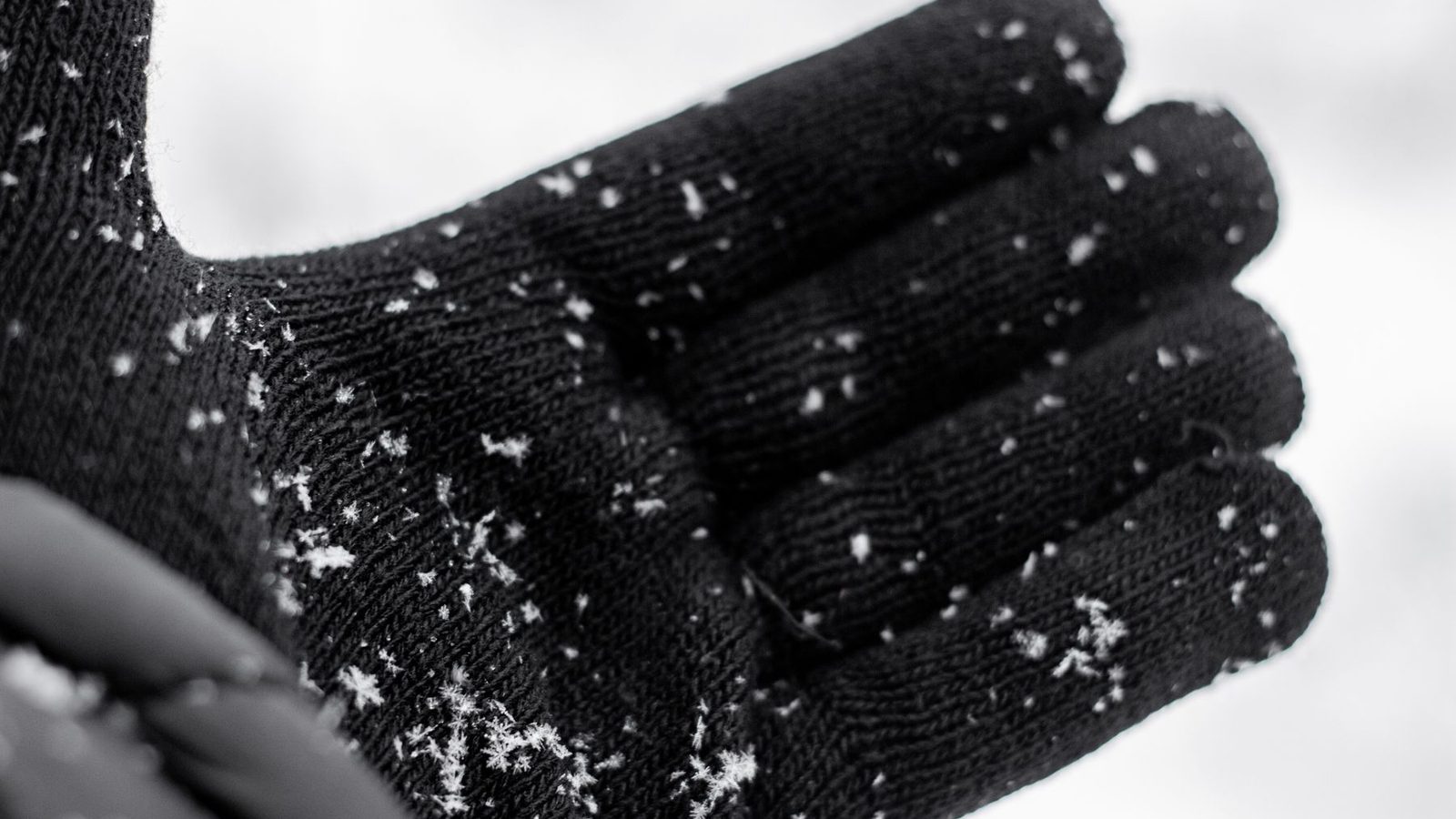
Best Hiking Gloves 2026 — Trail & Cold Weather Picks buyers have more options than ever. Hiking gloves are frequently underestimated until a cold morning summit or unexpected weather change makes them essential — at which point finding them buried at the bottom of a pack while your hands go numb is a memorable lesson. The hiking glove category splits cleanly by temperature range: lightweight merino or fleece liner gloves for cool-but-not-cold conditions and dexterity-critical trekking pole use; waterproof insulated gloves for cold and wet alpine conditions; and hardshell overmitts for true winter and storm use. We compared five options across the trail hiking range from late-spring summits to early-winter alpine starts.
| Pick | Award | Key spec | |
|---|---|---|---|
| Black Diamond Midweight Screentap Gloves | Best Overall | — | Check price |
| Outdoor Research Vigor Midweight Sensor Glove | Best Waterproof | — | Check price |
| Smartwool Merino 150 Liner Glove | Best Liner | — | Check price |
| REI Co-op Lightweight Liner Glove | Best Budget | — | Check price |
| Black Diamond Mercury Mitt | Best Cold Weather | — | Check price |
The Black Diamond Midweight Screentap is the default hiking glove recommendation from outdoor retailers — the fleece construction provides meaningful warmth without the bulk that makes trekking pole use awkward, the all-finger touchscreen compatibility is a genuine quality-of-life feature for modern hikers who use phones for navigation, and the DWR treatment handles the light rain and moisture that's common on mountain approaches without requiring a full waterproof glove. At $35 they're affordable enough to keep as a permanent pack staple. For three-season hiking in the 25–55°F temperature range that covers 90% of alpine morning conditions, the BD Midweight Screentap is the one-glove solution.
The Outdoor Research Vigor is the hiking glove for wet conditions — the silicone-grip waterproof palm handles the sustained wet rock contact of trail scrambling in rain, river crossings, and the wet handhold moves that regular fleece gloves wet through immediately. The OR Sensor fabric breathes well enough for aerobic hiking without the clammy interior that fully waterproof Gore-Tex gloves produce during sustained activity. At $45 it bridges the gap between standard fleece gloves (cheaper, less water resistance) and fully waterproof insulated gloves (warmer, heavier, less breathable). For hikers in the Pacific Northwest, coastal mountains, and wet alpine environments where wet rock is the primary challenge rather than cold temperatures, the Vigor hits the right balance.
The Smartwool 150 liner is the ultralight glove system foundation — at 150-weight merino it's thin enough to wear for full dexterity with trekking poles in cool but not cold conditions (40–60°F), and it pairs with any waterproof shell glove for genuine cold and wet conditions. The merino's temperature regulation means it keeps hands comfortable over a wider temperature range than a synthetic of equal thickness — wicking sweat during aerobic climbs, retaining warmth at cold summit rests. For backpackers who want a lightweight glove system covering multiple conditions with minimal weight, the 150 liner + a simple waterproof shell overmitt handles conditions from 20°F to 60°F with two packable pieces.
The REI Co-op liner glove is the budget hiking glove for casual hikers and first-time alpine visitors who want functional hand protection without spending $30–45 on specialty hiking gloves. At $20, the polyester fleece construction provides meaningful warmth for 3-season hiking in the 30–50°F range that covers most alpine day hike scenarios. The single-finger touchscreen compatibility (index finger only, unlike the BD Midweight's all-finger compatibility) handles basic phone use. For occasional hikers who go out a few times per year, the REI glove provides the essential warmth function at the most accessible price in this comparison.
The Black Diamond Mercury Mitt is the serious cold-weather hand system for winter mountaineering, snowshoeing in true cold, and early-season alpine starts when temperatures can drop below 0°F on exposed ridgelines. The Gore-Tex shell provides waterproofing for snowfall and wind-driven moisture, the PrimaLoft insulation maintains warmth at temperatures where fleece gloves simply don't provide enough insulation, and the mitt format — where all four fingers share a single chamber rather than being separated — provides significantly more warmth than a five-finger glove of equivalent weight. For hikers whose use extends into winter, ski touring, and alpine mountaineering rather than three-season trail hiking, the Mercury Mitt fills the temperature range below what the BD Midweight Screentap handles.
| Glove | Material | Best For |
|---|---|---|
| BD Midweight Screentap | Fleece + DWR | Best 3-season trail |
| OR Vigor Midweight | Sensor + waterproof palm | Wet conditions |
| Smartwool 150 Liner | 150-wt merino | Liner / layering |
| REI Co-op Liner | Polyester fleece | Budget |
| BD Mercury Mitt | Gore-Tex + PrimaLoft | Winter / alpine |
Like clothing layering, hiking gloves work best as a system. For three-season hikers, a single mid-weight fleece glove (BD Midweight Screentap) handles the 25–55°F range that covers most conditions. For serious alpine users, a two-piece system — a thin merino liner (Smartwool 150) worn alone in mild conditions, plus a waterproof insulated shell added for cold/wet — covers a wider range with more flexibility. For winter and mountaineering use, a thick mitt or insulated glove is needed as the primary layer, with a thin liner for dexterity when gloves must be removed briefly. Keeping gloves easily accessible (hip belt pocket, top pack pocket) matters — cold hands become a problem within minutes of stopping on a windy summit.
Touchscreen-compatible gloves use conductive material in the fingertip that allows capacitive touch screen response without removing the glove. Quality varies: premium gloves (BD Midweight Screentap) use conductive fabric across all fingertips for reliable response; budget gloves often use a small pad on only the index finger that works inconsistently. Touchscreen compatibility works well on iPhones and Android phones in standard conditions; cold temperatures (below 20°F) can reduce screen sensitivity even with compatible gloves. Wearing a thin merino liner under a shell glove typically blocks touchscreen contact since the liner isn't conductive. If phone navigation is critical in your use case, test the specific glove with your phone before a full day on trail.
For most summer hiking below treeline, gloves aren't necessary in the middle of the day. The scenarios where summer gloves matter: (1) early morning alpine starts when ridge temperatures can be 20–30°F colder than valley temperatures, even in July; (2) exposed ridgeline wind chill, which can feel 20°F colder than ambient temperature; (3) thunderstorm precipitation — wet hands in 50°F air with wind chill is genuinely cold; (4) snowfield crossings on summer routes to peaks above 12,000 feet. A lightweight fleece glove weighing 1–2 oz belongs in any alpine day pack as an emergency layer regardless of season.
Hands sweat even in cold temperatures during sustained aerobic hiking — the moisture accumulates inside the glove, compressing insulation and reducing warmth. Solutions: (1) remove gloves during sustained climbs when hands are generating significant heat — carry them in a hip belt pocket for quick deployment at rest stops; (2) choose breathable materials (merino, Polartec fleece) rather than fully waterproof Gore-Tex gloves for aerobic hiking (fully waterproof gloves trap moisture inside during aerobic activity); (3) carry a dry spare pair in a stuff sack for wet-weather days when gloves can't be wrung out mid-trip. A damp fleece glove still provides warmth; a soaked glove without wringing opportunity can be dangerous in cold conditions.
See also: Best Ski Gloves • Best Beanies • Best Neck Gaiters • Best Backpacking Backpacks
The best hiking gloves 2026 — trail & cold weather picks balance performance, value, and durability. Our top picks cover a range of budgets and use cases — see the full comparison above for our ranked recommendations.
Hiking Gloves 2026 — Trail & Cold Weather Picks range in price from $35 at the budget end to $85 for premium options. The best value is usually somewhere in the middle — see our picks above for specific price breakpoints.
Like clothing layering, hiking gloves work best as a system. For three-season hikers, a single mid-weight fleece glove (BD Midweight Screentap) handles the 25–55°F range that covers most conditions. F
For most first-time buyers, we recommend starting with a mid-range option rather than going straight to the most expensive hiking gloves 2026 — trail & cold weather picks. Black Diamond Midweight Screentap Gloves is a solid starting point based on owner reviews and published specs.
Yes — quality hiking gloves 2026 — trail & cold weather picks are worth the investment for anyone who uses them regularly. The key is matching the spec to how often and how hard you'll use them. Our picks above flag the best value at each price point so you're not overpaying.