
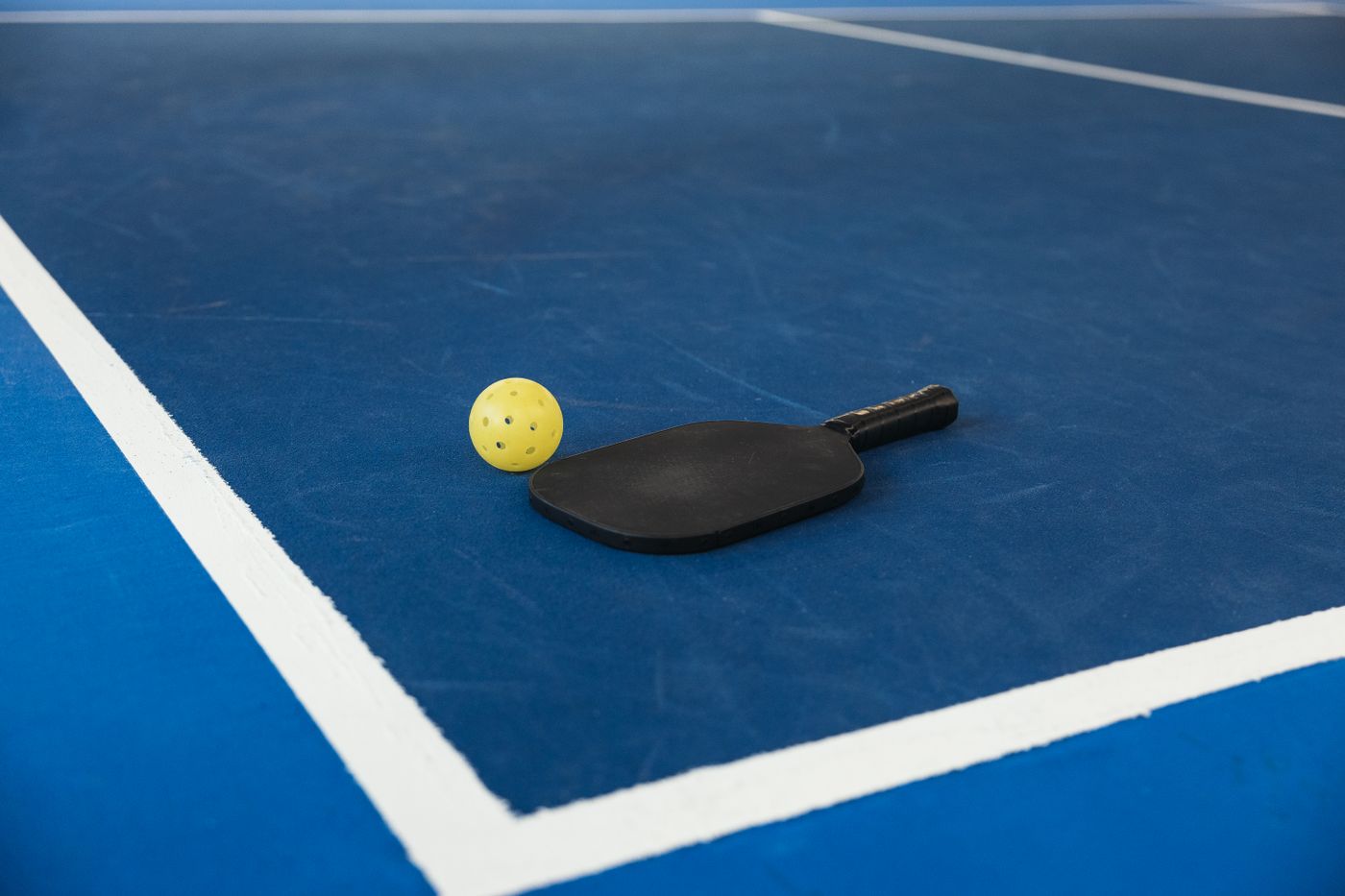
Best Pickleball Shoes 2026 — Court Shoes for Indoor & Outdoor Play buyers have more options than ever. Running shoes are wrong for pickleball. Court sports require quick lateral movement — shuffling side to side, sudden stops, split-step reactions — that running shoes aren't built to support. Running shoes are designed for forward motion, with cushioning that compresses on lateral stress and outsoles that don't provide the court grip needed for quick direction changes. A proper court shoe dramatically reduces ankle injury risk and improves agility. We compared five shoes built specifically for the lateral demands of pickleball.
| Pick | Award | Key spec | |
|---|---|---|---|
| ASICS Gel-Rocket 10 | Best Overall | — | Check price |
| K-Swiss Hypercourt Express 2 | Best Outdoor | — | Check price |
| New Balance 806v1 Court Shoe | Best for Beginners | — | Check price |
| Skechers Viper Court Pro Pickleball Shoe | Best Wide Width | — | Check price |
| Nike Court Air Zoom Vapor 11 | Best Performance | — | Check price |
ASICS designed the Gel-Rocket for volleyball — a court sport with essentially identical movement patterns to pickleball: explosive lateral shuffle, split steps, quick stops, occasional dives. The GEL cushioning in the heel absorbs the impact of those lateral stops and direction changes in ways that running shoe cushioning doesn't. The gum rubber non-marking outsole provides the grip needed for indoor and smooth outdoor courts. At $65, the Gel-Rocket is also the most accessible quality court shoe available — far more appropriate for pickleball than any running shoe at any price.
K-Swiss has been building tennis and court sport shoes since 1966, and the Hypercourt Express 2 applies that expertise directly to outdoor pickleball courts. The herringbone outsole pattern — the standard for outdoor hard court tennis — grips textured outdoor surfaces and handles the grit and dirt that outdoor courts accumulate without the rapid wear that gum rubber outsoles suffer outdoors. The reinforced toe cap addresses the drag-toe wear that court sports players generate from their split-step and approach footwork. For dedicated outdoor pickleball players who play primarily on concrete or asphalt courts, the Hypercourt Express 2 is the purpose-built choice.
New Balance's 806v1 is a classic court shoe with a higher ankle collar than most modern options — a trade-off that provides more ankle support for players learning pickleball movement patterns. Ankle sprains are common in court sports among players still developing their movement instincts, and the additional support of a higher-cut shoe provides some protection during the learning phase. Available in multiple widths (NB's wide sizing reputation is real and helpful for players with wider feet), with ABZORB cushioning that handles the repeated lateral stop impacts of recreational pickleball play.
Skechers partnered with professional pickleball player Tyson McGuffin to create the Viper Court Pro — the first shoe specifically designed for pickleball rather than adapted from tennis or volleyball. The ULTRA FLIGHT cushioning targets the specific impact patterns of pickleball movement, the herringbone outsole handles both indoor and outdoor court surfaces, and the Air-Cooled Memory Foam insole provides the comfort that older pickleball players (a significant portion of the sport's demographic) particularly appreciate for multi-hour sessions. For players who want a shoe purpose-built for their sport, the Viper Court Pro is the answer.
The Nike Air Zoom Vapor line is the shoe of choice for professional tennis players — its Zoom Air cushioning unit provides responsive energy return on court impact that feels distinctly different from standard EVA foam cushioning. For competitive and physically active pickleball players who want the best court performance available regardless of price, the Vapor 11 delivers. The lockdown fit from the upper keeps the foot secure through aggressive direction changes. The trade-off is price ($149 vs. $65 for the ASICS Gel-Rocket) and a narrower fit that doesn't accommodate all foot shapes. Most recreational pickleball players are served adequately by the ASICS or Skechers at half the price.
| Shoe | Outsole | Ankle | Best For |
|---|---|---|---|
| ASICS Gel-Rocket 10 | Gum rubber | Low | Best overall / value |
| K-Swiss Hypercourt 2 | Herringbone | Low | Outdoor courts |
| New Balance 806v1 | Gum rubber | High | Beginners / wide |
| Skechers Viper Court Pro | Herringbone | Low | Pickleball-specific |
| Nike Air Zoom Vapor 11 | Herringbone | Low | Performance |
Running shoes are engineered for forward motion — their outsoles flex in the heel-to-toe direction and their lateral support is minimal. Court sports require sideways shuffling, sudden stops, and pivoting that running shoes handle poorly, leading to ankle rolls and reduced court grip. Court shoes have stiffer lateral support structures, lower stack heights for ground feel and stability, and outsole patterns designed for the multidirectional grip of court sports. The injury-prevention argument alone justifies the switch.
Indoor courts: use gum rubber non-marking soles (ASICS Gel-Rocket, NB 806). The gum rubber grips smooth indoor surfaces best and won't leave black marks on gym floors. Outdoor courts: use herringbone outsoles (K-Swiss, Skechers, Nike Vapor) designed for textured concrete or asphalt — gum rubber wears extremely fast on abrasive outdoor surfaces. If you play both surfaces, the Skechers Viper Court Pro's herringbone pattern is a reasonable compromise that handles both adequately.
Quality court shoes typically have a 3–5 session break-in period before the upper fully molds to your foot shape and the cushioning settles. Blisters in the first 1–2 sessions are common — wear the same sock thickness you'll play in, and consider moisture-wicking court socks to reduce friction during break-in. Don't judge a court shoe's comfort from the first wearing alone.
Yes — tennis court shoes (particularly those with herringbone outsoles for outdoor hard courts) are well-suited to pickleball. The movement patterns are similar and the lateral support demands are nearly identical. Many pickleball players wear tennis shoes and the performance overlap is significant. Volleyball shoes also work well for indoor pickleball for the same reason the ASICS Gel-Rocket performs so well.
Court shoes typically last 60–70 hours of court time before the outsole wears down and lateral support degrades. For players who play 3–4 times per week, that's 4–6 months of regular use. Outdoor courts wear outsoles faster than indoor courts due to abrasive surfaces. Monitor the outsole wear pattern — when you can see the midsole material through the outsole, it's time to replace.
Moisture-wicking athletic socks (polyester or merino blend) reduce blister risk from the lateral friction of court movement. Avoid cotton socks — they absorb and hold moisture, increasing friction. Some court players prefer double-layer socks (a thin liner sock inside a standard athletic sock) that allow the two sock layers to slide against each other rather than the sock sliding against the skin. Socks should be the same thickness you play in when fitting new shoes.
See also: Best Pickleball Paddles • Best Tennis Rackets • Best Fitness Trackers
The best pickleball shoes 2026 — court shoes for indoor & outdoor play balance performance, value, and durability. Our top picks cover a range of budgets and use cases — see the full comparison above for our ranked recommendations.
Pickleball Shoes 2026 — Court Shoes for Indoor & Outdoor Play range in price from $65 at the budget end to $149 for premium options. The best value is usually somewhere in the middle — see our picks above for specific price breakpoints.
Running shoes are engineered for forward motion — their outsoles flex in the heel-to-toe direction and their lateral support is minimal. Court sports require sideways shuffling, sudden stops, and pivo
For most first-time buyers, we recommend starting with a mid-range option rather than going straight to the most expensive pickleball shoes 2026 — court shoes for indoor & outdoor play. ASICS Gel-Rocket 10 is a solid starting point based on owner reviews and published specs.
Yes — quality pickleball shoes 2026 — court shoes for indoor & outdoor play are worth the investment for anyone who uses them regularly. The key is matching the spec to how often and how hard you'll use them. Our picks above flag the best value at each price point so you're not overpaying.