
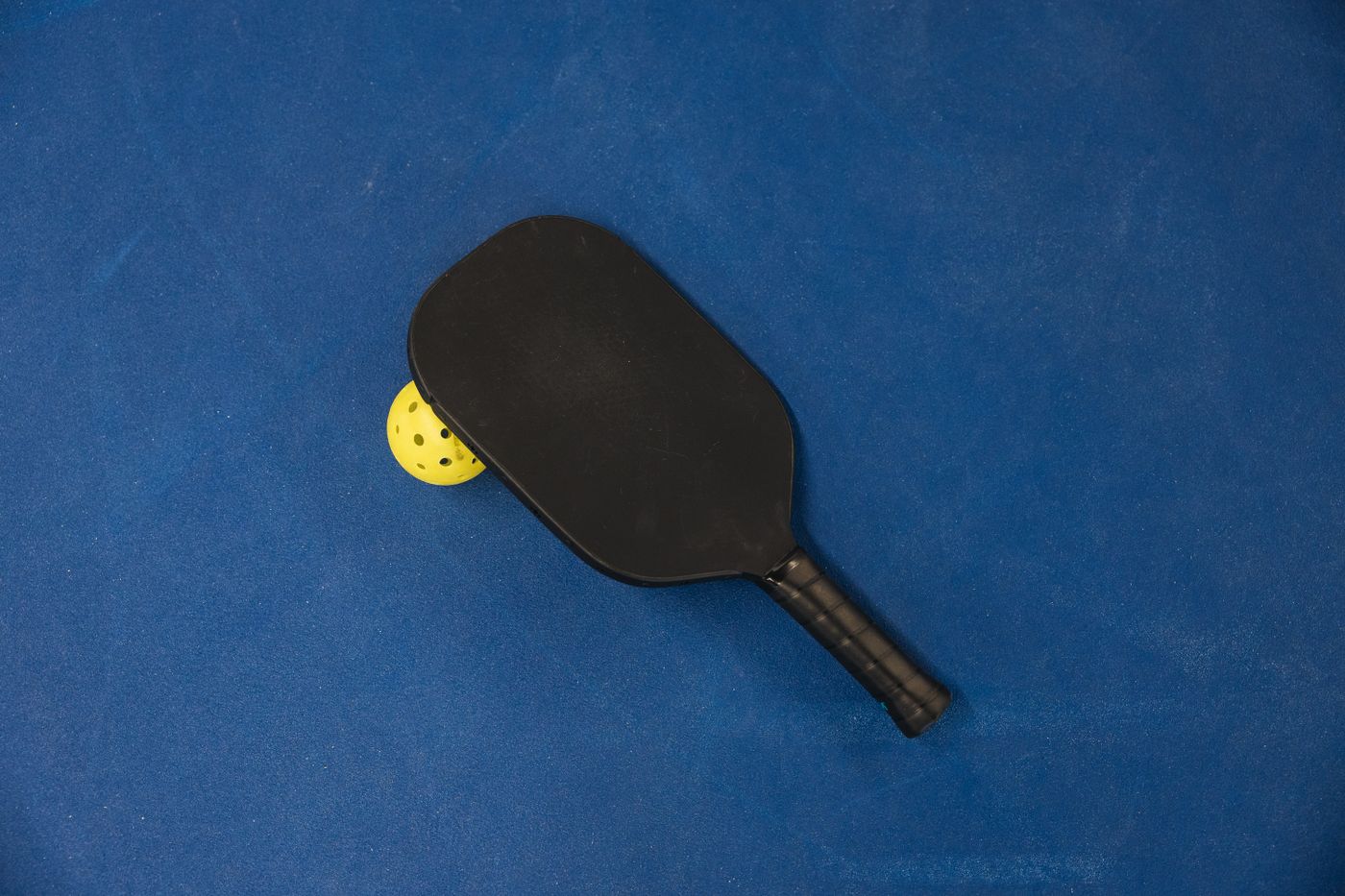
Best Pickleball Bags 2026 — Backpacks & Duffels buyers have more options than ever. Carrying two pickleball paddles, a sleeve of balls, court shoes, and a water bottle in a regular gym bag is workable but annoying — paddles don't fit cleanly in generic bags, and there's no good place to stow court shoes away from clean clothes. A pickleball-specific bag solves these problems with dedicated paddle sleeves, shoe compartments, and the right form factor for court use. The category has exploded alongside pickleball's explosive growth, with every major paddle brand now offering a bag line. We compared five bags across form factors from minimalist paddle covers to full tournament-ready backpacks.
| Pick | Award | Key spec | |
|---|---|---|---|
| Selkirk Core Series Pickleball Backpack | Best Overall | — | Check price |
| JOOLA Tour Series Pickleball Duffel Bag | Best for Travel | — | Check price |
| Franklin Sports Pickleball Bag | Best Budget | — | Check price |
| Onix Pro Team Pickleball Paddle Bag | Best Minimalist | — | Check price |
| HEAD Tour Team Pickleball Supercombi Bag | Best Premium | — | Check price |
Selkirk has built the best reputation in the premium pickleball market, and their Core Series Backpack carries that quality focus into their bag line. The padded 2-paddle sleeve keeps paddle faces separated and scratch-protected (important for carbon fiber face paddles that scratch easily), the ventilated shoe compartment isolates court shoes from water bottles and clean clothes, and the ergonomic back panel is comfortable enough for longer court walks and bike commutes to outdoor courts. For recreational and club players who want a purpose-built bag that handles the specific demands of pickleball gear without overpaying for a tournament-level bag, the Selkirk Core is the benchmark at $89.
JOOLA has become one of the dominant brands in competitive pickleball (they sponsor Ben Johns, the top-ranked player), and the Tour Series Duffel reflects tournament-player needs: enough volume to carry full equipment for multi-court tournament days, durable construction that holds up to regular travel and car trunk storage, and paddle protection that handles the higher-value paddles tournament players use. The duffel format carries more total gear than a backpack with the same external footprint, making it the right choice for players who bring extensive gear or travel to pickleball venues. For casual recreational players, it's more bag than needed — the Selkirk backpack is a better fit for the walk-to-the-court use case.
The Franklin Sports Pickleball Bag is for players who want a dedicated pickleball bag at the lowest reasonable price. At $35 it includes the essential feature — a paddle sleeve for two paddles — plus a water bottle pocket and general gear storage. The tradeoffs vs. the Selkirk are real: no ventilated shoe compartment, thinner padding, and less comfortable carry for longer distances. But for recreational players who drive directly to the courts, play for a couple hours, and drive home, the Franklin provides the core organizational benefit of a pickleball bag at a price that doesn't require serious deliberation. Franklin also makes some of the best recreational pickleball balls, so their equipment line is proven at the recreational tier.
The Onix Pro Team Paddle Bag is the minimalist's pickleball bag — it's designed to carry paddles and balls and nothing else, with a slim tote format that's more elegant than the backpack format for players who travel light to the courts. For players who change shoes at home, carry a separate gym bag for personal items, and just want a dedicated paddle carrier that protects their paddles better than a tennis bag side pouch, the Onix tote is the cleanest solution. Onix makes some of the most popular recreational pickleball balls, so their equipment knowledge extends to their bag design. Not the right choice for players who need to carry substantial gear; ideal for minimalists.
HEAD's tennis bag expertise translates directly to pickleball — the Tour Team Supercombi's 3-compartment design provides the most organized gear separation on this list, with a thermally insulated paddle zone (protecting composite and carbon fiber paddle faces from heat damage in hot car trunks), a ventilated shoe compartment, and a main gear compartment for clothing and accessories. For competitive players with premium paddles worth protecting, the thermal paddle sleeve alone justifies the upgrade from the Selkirk. HEAD's quality construction handles years of tournament travel. At $119 it's the premium option — appropriate for players who play multiple times per week and need a bag that keeps up with regular serious use.
| Bag | Format | Best For |
|---|---|---|
| Selkirk Core Backpack | Backpack | Best overall |
| JOOLA Tour Duffel | Duffel | Travel / tournament |
| Franklin Sports Bag | Backpack | Budget |
| Onix Pro Team Paddle Bag | Tote | Minimalist carry |
| HEAD Tour Team Supercombi | Backpack / 3-compartment | Premium / competitive |
Backpacks are the most versatile format for pickleball bags — they leave hands free, distribute weight comfortably across the back for longer walks, and fit standard gear for recreational to club-level play. Duffels carry more volume and are better for players who bring extensive tournament gear or travel by car to venues, but are less convenient for walking longer distances. Tote-style paddle bags are the most compact and polished option for minimalist players who change shoes at home and just need paddle protection at the courts. Most recreational players should default to a backpack in the $35–89 range — duffels and premium three-compartment bags are best justified by tournament play frequency.
Carbon fiber and fiberglass composite paddles can be damaged by extreme heat — specifically, the adhesive and polymer core can delaminate when left in a hot car trunk (temperatures can exceed 140°F in summer). High-end paddles from Selkirk, Joola, and similar brands are worth $100–250+, making core delamination a costly problem. Thermally insulated paddle compartments (like the HEAD Tour Team's) reduce this risk for car storage. Practical alternatives: never leave paddles in the trunk in summer heat, use a reflective windshield shade, or store paddles in the car's cooler cabin. The risk is real for carbon fiber face paddles; less significant for traditional fiberglass paddles.
Yes, with caveats. Tennis bags are typically designed for racquets, which are significantly larger (27–28 inches) than pickleball paddles (15–17 inches). A padded racquet compartment will protect a pickleball paddle, but the compartment is often larger than needed and won't hold the paddle snugly. Tennis bags usually lack the small ball pockets designed for pickleball balls (tennis balls are much larger). For occasional players who already own a tennis bag, it works adequately. For regular pickleball players, a pickleball-specific bag provides better organization at similar pricing.
At minimum, a pickleball bag should hold 2 paddles — your primary paddle plus a backup in case of damage, or a loaner for friends. Casual recreational players can get by with a 2-paddle capacity bag. Club players who often loan paddles to new players benefit from 3–4 paddle capacity. Tournament players who bring multiple paddles for different conditions (outdoor vs. indoor, different grip sizes) should look for 4+ paddle capacity in a duffel format. The Selkirk Core and Franklin Sports bags hold 2 paddles — adequate for most recreational players. The JOOLA duffel handles 4+ paddles for tournament use.
See also: Best Pickleball Paddles • Best Pickleball Balls • Best Pickleball Shoes • Best Tennis Rackets
The best pickleball bags 2026 — backpacks & duffels balance performance, value, and durability. Our top picks cover a range of budgets and use cases — see the full comparison above for our ranked recommendations.
Pickleball Bags 2026 — Backpacks & Duffels range in price from $89 at the budget end to $119 for premium options. The best value is usually somewhere in the middle — see our picks above for specific price breakpoints.
Backpacks are the most versatile format for pickleball bags — they leave hands free, distribute weight comfortably across the back for longer walks, and fit standard gear for recreational to club-leve
For most first-time buyers, we recommend starting with a mid-range option rather than going straight to the most expensive pickleball bags 2026 — backpacks & duffels. Selkirk Core Series Pickleball Backpack is a solid starting point based on owner reviews and published specs.
Yes — quality pickleball bags 2026 — backpacks & duffels are worth the investment for anyone who uses them regularly. The key is matching the spec to how often and how hard you'll use them. Our picks above flag the best value at each price point so you're not overpaying.