Best Hiking Gear for Beginners buyers have more options than ever. Your first hiking kit doesn't need to cost a fortune or fill a closet. This guide covers the essentials — what to buy, what to skip, and how to build up your kit over time.
The Ten Essentials are the original gear checklist, developed by The Mountaineers in the 1930s: navigation, sun protection, insulation, illumination, first aid, fire, repair tools, nutrition, hydration, and emergency shelter. Every beginner kit should cover all ten before anything else.
Don't hike in running shoes for anything beyond a paved path — you'll roll an ankle on loose rock. Start with a mid-cut trail shoe or light hiking boot with a grippy outsole. Merrell Moab 3, Salomon X Ultra, and Keen Targhee are excellent beginner options in the $100–$140 range. Waterproof (GTX) versions are worth the $20 premium if you encounter stream crossings.
For day hikes, a 20–35L pack is all you need. Look for a padded back panel, adjustable shoulder straps, hip belt, and side water bottle pockets. REI's Traverse 35 and Osprey's Talon 22 are beginner-friendly options. Avoid packs without a hip belt — they'll wreck your shoulders on anything over 4 miles.
The standard recommendation is half a liter per hour of hiking. In summer heat or at altitude, double that. Carry a minimum of 2 liters for any day hike. Always carry more water than you think you'll need.
Download your trail on AllTrails or CalTopo before you leave the parking lot — don't assume you'll have cell service. A basic paper map of your area is your backup when your phone battery dies.
Cotton kills in the mountains — it traps sweat and stays wet for hours. Wear synthetic or merino wool base layers that wick moisture. Carry a mid-layer and a rain jacket that stuffs into its own pocket. Even summer afternoon thunderstorms can drop temperatures 20 degrees at altitude.
A solid beginner kit — boots, pack, rain jacket, trekking poles, and basic navigation — runs $300–$500. Boots are where to spend the most; everything else can be budget-friendly to start.
Not required, but highly recommended for anything with significant elevation gain or descent. Poles reduce knee stress on downhills by up to 25% and improve balance on loose terrain.
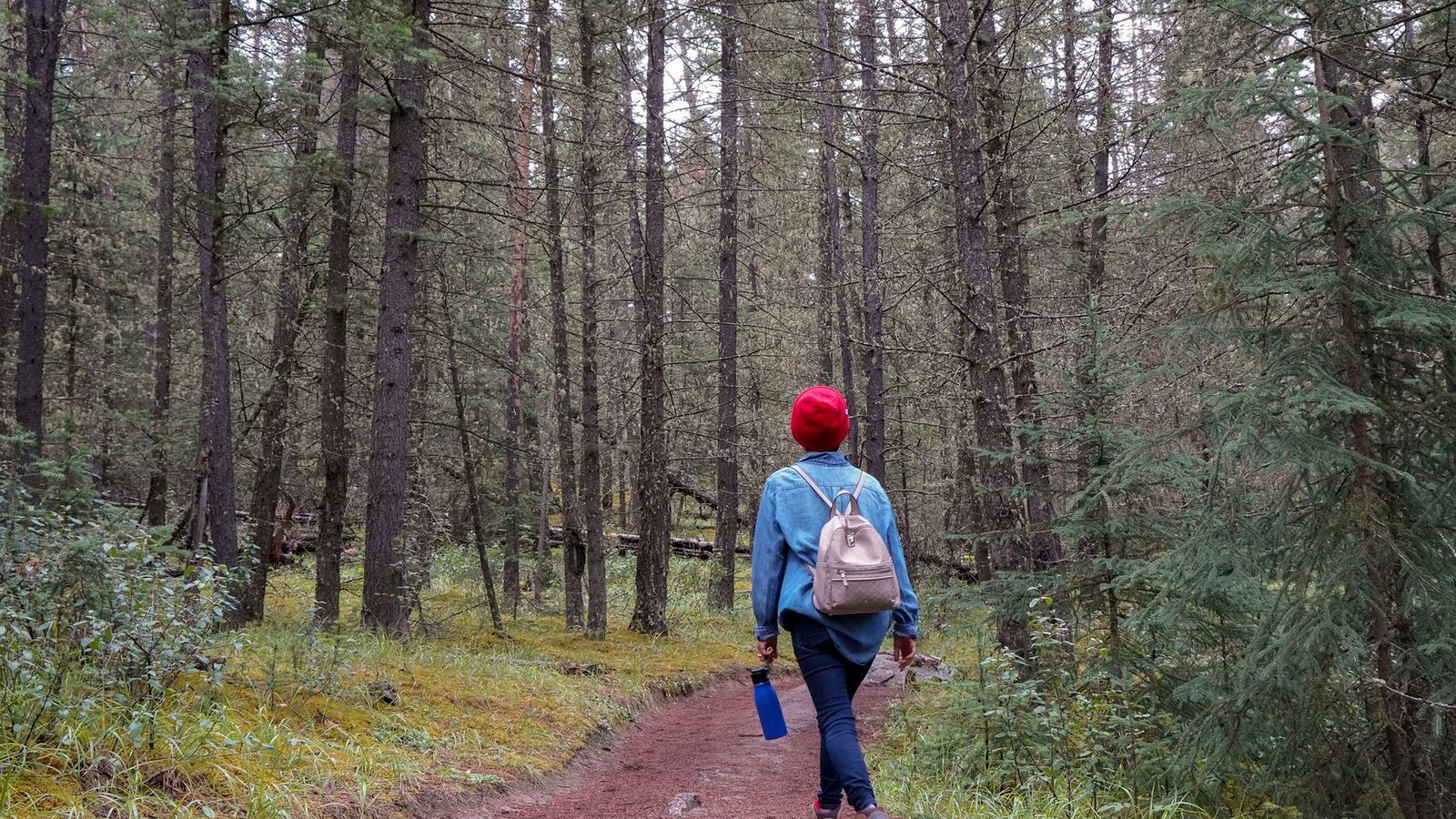
A maintained trail under 5 miles round-trip with under 1,000 feet of elevation gain is ideal. Look for trails rated 'easy' or 'moderate' on AllTrails with recent reviews confirming current conditions.
See also: Best Hiking Boots • Best Hiking Daypacks • Hiking Gear Guide
The best hiking gear for beginners balance performance, value, and durability. Our top picks cover a range of budgets and use cases — see the full comparison above for our ranked recommendations.
Prices for hiking gear for beginners vary widely depending on features and brand. Budget options start under $100 while premium models can run several hundred dollars or more. Our picks above cover the full range.
The Ten Essentials are the original gear checklist, developed by The Mountaineers in the 1930s: navigation, sun protection, insulation, illumination, first aid, fire, repair tools, nutrition, hydratio
Beginners should prioritize ease of use and value over premium features when choosing hiking gear for beginners. Our budget pick in the comparison above is designed with new users in mind.
Yes — quality hiking gear for beginners are worth the investment for anyone who uses them regularly. The key is matching the spec to how often and how hard you'll use them. Our picks above flag the best value at each price point so you're not overpaying.