Best Bear Canisters for 2026 buyers have more options than ever. In many wilderness areas, a bear canister isn't optional — it's required. We compared six options across weight, capacity, ease of opening, and durability.
| Pick | Award | Key spec | |
|---|---|---|---|
| BearVault BV500 Bear Canister | Best Overall | — | Check price |
| BearVault BV450 Solo Bear Canister | Best Solo Size | — | Check price |
| Garcia Machine Backpacker's Cache | Best Classic | — | Check price |
| Ursack Major XL Bear-Resistant Bag | Best Ultralight | — | Check price |
| Counter Assault Bear Keg 715ci Bear Canister | Best Seal Design | — | Check price |
| Wild Ideas Bearikade Weekender | Best Premium Lightweight | — | Check price |
The BearVault BV500 is the most popular bear canister for good reason — the clear polycarbonate body lets you see contents without opening it, the wide mouth makes packing and retrieving food easy, and the push-and-turn lid opens with a coin or the included opener tool (no separate tool needed for the lid). Approved for use in all US national parks requiring canisters.
The BV450 is the BearVault BV500's smaller sibling, ideal for solo backpackers on trips of 3 to 4 days. The same clear polycarbonate body makes finding your food easy, the wide opening simplifies packing, and the lighter overall size reduces load. Saves several ounces and cost versus the BV500 when you don't need the extra capacity.
The Garcia Machine canister is the bear can that started it all. The original IGBC-approved design has been keeping food safe in the backcountry for decades. At 650 cubic inches it offers more volume than the BV500. Requires a coin to open the lid, which is more tamper-proof but slightly less convenient than BearVault's design. Proven in the Sierra, Adirondacks, and everywhere else bears roam.
The Ursack Major is made from UHMWPE fabric that's cut-resistant and bear-proof, yet weighs just 9 oz — a fraction of any hard canister. It ties around a tree, so bears can't carry it off. At 650 cubic inches it holds as much as a Garcia can. Check regulations before you go — some wilderness areas (like Yosemite) require hard-sided canisters and don't accept Ursack.
The Counter Assault Bear Keg offers 715 cubic inches of space — the most in this comparison — at an affordable price. IGBC-approved, made of tough polycarbonate, and the wide cylindrical opening makes loading a breeze. The cylinder shape can be awkward in packs designed for rectangular canisters, but if capacity is your priority, nothing at this price offers more room.
The Wild Ideas Bearikade is what serious ultralight backpackers carry when they need a hard canister. Carbon fiber construction brings it to 30 oz — nearly a pound lighter than the BearVault BV500 for similar capacity. The twist-off lid requires no tools and seals completely. At $265 it's a significant investment, but over years of trips, the weight savings add up. Accepted in all US national parks.
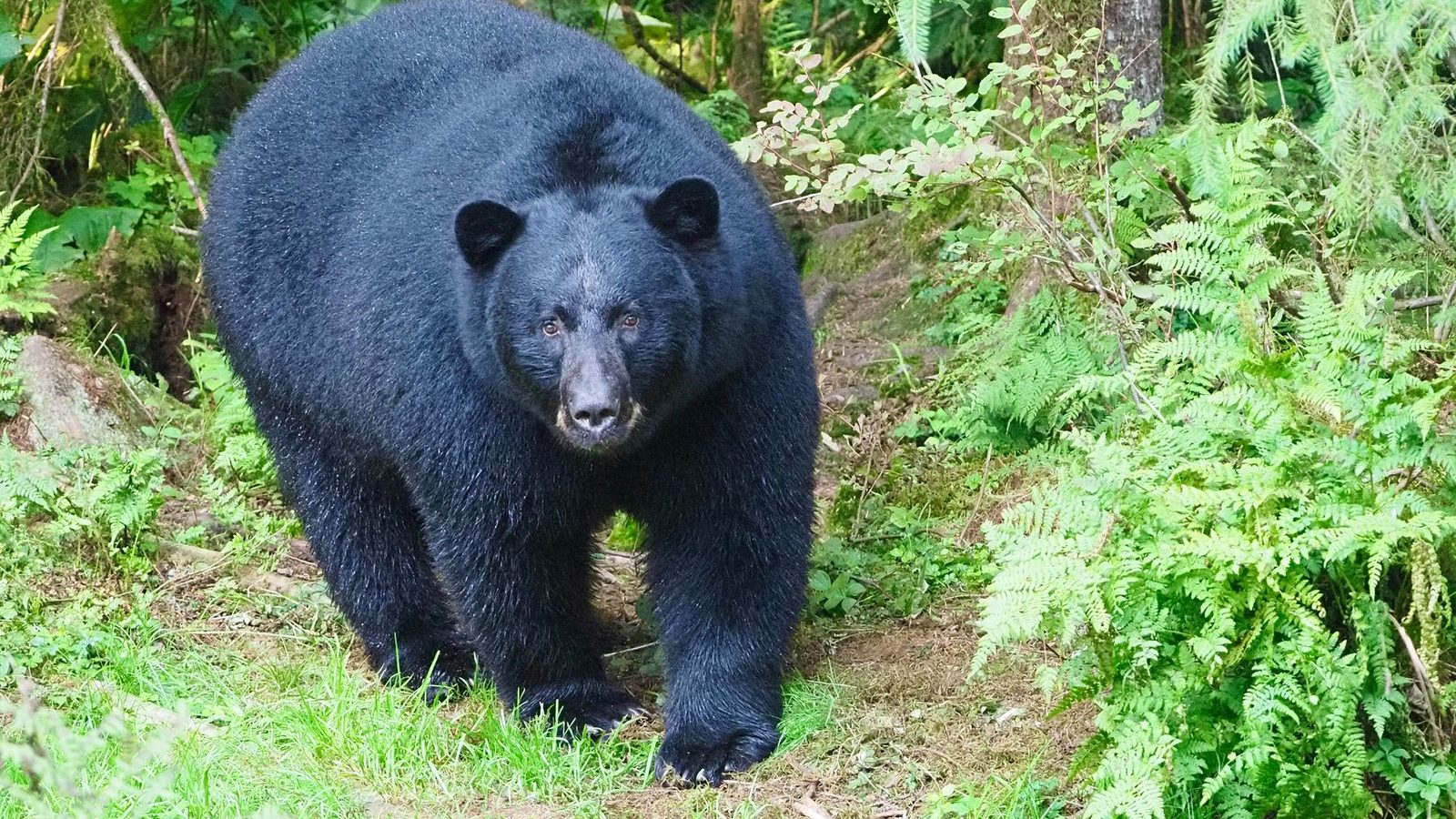
Bear canisters are required in many US national parks and wilderness areas including Yosemite, Sequoia, Kings Canyon, Rocky Mountain, Grand Teton, and the Adirondack High Peaks. Always check current regulations for your specific destination before your trip. Using a canister where required avoids fines and prevents bears from becoming habituated to human food.
A rough guide: plan for 1.5 to 2 lbs of food per person per day. The BV500 at 700 cubic inches holds roughly 4 to 5 days of food for one person. The Garcia at 650 cubic inches is similar. For 2 people on a 3-day trip, you may need two canisters. Freeze-dried meals pack more efficiently than bulkier whole foods.
Place the canister at least 200 feet from your tent in any direction, ideally behind a log or in a depression — not where it can roll into water. Leave it unlocked so rangers can open it if they need to check the contents. Never hang a bear canister.
No. Yosemite and several other wilderness areas require IGBC-certified hard-sided canisters and do not accept Ursack, despite its bear-resistant certification. Always verify local regulations before relying on a soft-sided option.
Yes — most canisters are designed to fit inside a standard backpacking pack. The cylindrical shape fits best in packs with wide openings. The BearVault's wide mouth makes it easy to pack other gear around it. Build your pack loads around the canister rather than trying to fit the canister around your gear.
Hard-sided polycarbonate canisters last indefinitely with basic care — many people use them for 10 to 20+ years. Inspect the lid seal and locking mechanism annually. Replace if cracked or if the lid no longer locks securely.
See also: Best Backpacking Gear • Best Water Filters • Best First Aid Kits
The best bear canisters for 2026 balance performance, value, and durability. Our top picks cover a range of budgets and use cases — see the full comparison above for our ranked recommendations.
Bear Canisters for 2026 range in price from $80 at the budget end to $265 for premium options. The best value is usually somewhere in the middle — see our picks above for specific price breakpoints.
Bear canisters are required in many US national parks and wilderness areas including Yosemite, Sequoia, Kings Canyon, Rocky Mountain, Grand Teton, and the Adirondack High Peaks. Always check current r
For most first-time buyers, we recommend starting with a mid-range option rather than going straight to the most expensive bear canisters for 2026. BearVault BV500 Bear Canister is a solid starting point based on owner reviews and published specs.
Yes — quality bear canisters for 2026 are worth the investment for anyone who uses them regularly. The key is matching the spec to how often and how hard you'll use them. Our picks above flag the best value at each price point so you're not overpaying.