
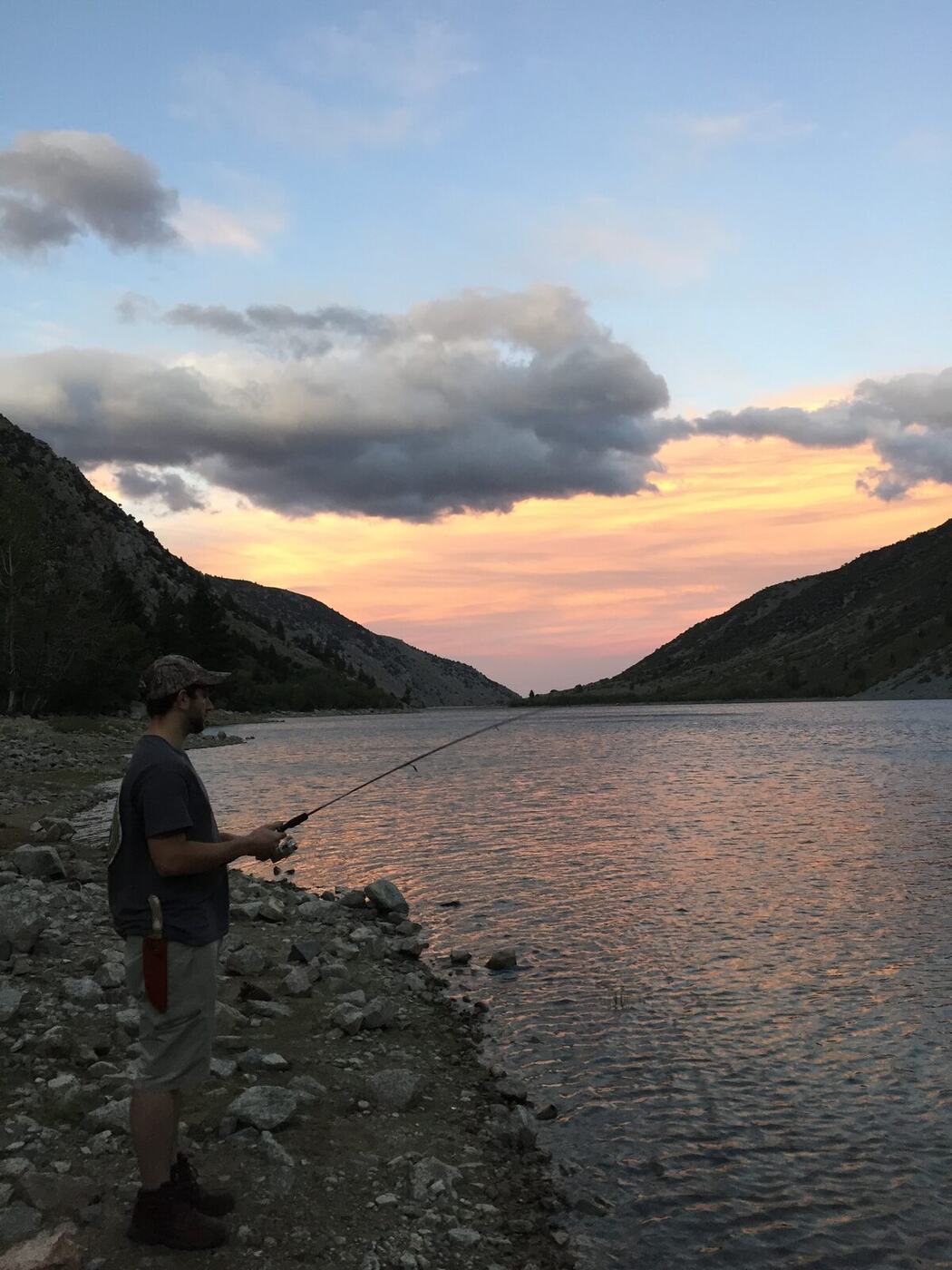
Best Bass Lures 2026 — Largemouth & Smallmouth Bass buyers have more options than ever. Bass fishing success comes down to matching the lure to the conditions — water temperature, clarity, season, depth, and cover type all determine which presentation produces strikes. Largemouth bass are ambush predators that relate to cover (wood, grass, rocks, docks) and use it to stage attacks; smallmouth bass relate to current, rock, and deeper structure and respond differently than largemouth to the same presentations. The most consistent bass anglers carry a small arsenal of proven lure types rather than a tackle box full of novelties: a moving bait for covering water and finding active fish (spinnerbait or crankbait), a reaction bait for triggering strikes from negative-mood fish (lipless crankbait or bladed jig), a finesse option for tough conditions (drop shot or Ned rig), a bottom presentation for post-frontal and deep fishing (Texas rig or jig), and a topwater for summer and spawning season. The lures below represent the all-time proven producers across these categories — not new gimmicks, but baits that have produced bass for decades and continue to work because they match forage profiles and trigger instinctual strike responses. The key insight for beginning bass anglers: don't buy new lures when fish aren't biting — learn to fish proven lures better. The difference between catching and not catching is almost always presentation and location, not lure selection.
| Pick | Award | Key spec | |
|---|---|---|---|
| Zoom Trick Worm (Texas Rig, 6.75") | Best Overall | — | Check price |
| Strike King Red Eye Shad Lipless Crankbait (1/2 oz) | Best Reaction Bait | — | Check price |
| Strike King KVD 1/2 oz Spinnerbait | Best Moving Bait | — | Check price |
| Heddon Zara Spook Topwater (3/4 oz) | Best Topwater | — | Check price |
| Z-Man TRD FinesseTRD + Ned Rig Kit | Best Finesse | — | Check price |
The Zoom Trick Worm Texas-rigged is the bass lure to learn first and fish last — it's the presentation that works when nothing else does, covers the season from prespawn through fall, and produces fish from shallow grass beds to deep timber at 15 feet. Rig it weedless on a 3/0 offset worm hook with a 3/16 oz bullet weight, cast to visible cover, let it fall on slack line, and wait. The subtlety is the point.
The Strike King Red Eye Shad is the lure that winter and early-spring bass anglers reach for when water temperatures drop below 55°F and bass have moved to deeper structure — the tight vibration triggers reaction strikes from cold, lethargic bass that won't pursue other presentations. Cast it to main lake points, rock piles, and grass edges; let it sink to bottom count, then rip it off the bottom and let it flutter back down. The strike almost always comes on the fall after the rip.
The Strike King KVD spinnerbait is the search bait for spring through fall bass fishing when you're on a new lake and need to cover water efficiently to locate active fish — make long casts parallel to visible structure (docks, laydowns, grass edges, rocky points), vary your retrieve speed, and the bass that want to eat will reveal themselves. Once you catch fish, slow down and focus on that specific cover type with slower presentations.
The Heddon Zara Spook is the topwater lure for summer mornings when bass are still shallow and feeding aggressively before the heat of the day pushes them deep — cast it to the calm water around dock edges, grass points, and shallow coves at first light, and let it rest for 2–3 seconds before beginning the walk-the-dog retrieve. The surface explosion when a bass takes a topwater is the moment that creates lifelong bass anglers.
The Z-Man TRD Ned rig is the finesse system for bass anglers who fish heavily pressured lakes, post-cold-front conditions, or clear water where power fishing lures produce zero response — the Ned rig's subtle standing presentation, combined with ElaZtech's indestructible durability, produces fish when everything else gets ignored. It's a technique that rewards patience: cast to a rocky point, let it reach bottom, slowly drag it back with occasional pauses, and be ready for a strike that feels like the lure snagged.
| Bass Lure | Type | Best Season/Condition | Technique |
|---|---|---|---|
| Zoom Trick Worm | Soft plastic | Year-round | Texas rig, bottom |
| Strike King Red Eye Shad | Lipless crankbait | Winter / cold water | Burn, yo-yo, rip |
| Strike King KVD Spinnerbait | Spinnerbait | Spring–fall | Cover water, retrieve |
| Heddon Zara Spook | Topwater | Summer mornings | Walk-the-dog |
| Z-Man TRD Ned Rig | Finesse soft plastic | Tough conditions | Ned rig, bottom drag |
Bass behavior changes dramatically with water temperature, and matching lure selection to the season is the most impactful thing a developing bass angler can do to improve catch rates. In winter (water below 50°F): bass are lethargic and deep; fish the Red Eye Shad slow-rolled along bottom or yo-yoed vertically, and a Texas-rigged worm dragged slowly — speed kills in cold water. In spring prespawn (50–62°F): bass move shallow to staging areas before spawning; spinnerbaits along points and coves, jerkbaits in clear water, and Texas rigs on visible cover are all productive. In spawn (62–72°F): bass are on beds in 1–6 feet of water; sight fishing with a Texas-rigged lizard or creature bait is the most effective technique. In post-spawn (68–78°F): bass scatter and recover; topwaters in the morning, moving baits through the day, and finesse at night cover the activity periods. In summer (78°F+): bass go deep midday (fishing ledges and humps at 15–25 feet with football jigs and deep-diving crankbaits) and shallow early and late (topwaters and spinnerbaits). Understanding this seasonal pattern eliminates wasted casts and focuses effort on presentations that match what bass are doing, not what you want to fish.
See also: Best Fishing Lures • Best Spinning Rods • Best Baitcasting Rods • Best Tackle Boxes
The best bass lures 2026 — largemouth & smallmouth bass balance performance, value, and durability. Our top picks cover a range of budgets and use cases — see the full comparison above for our ranked recommendations.
Bass Lures 2026 — Largemouth & Smallmouth Bass range in price from $5/bag of 20 at the budget end to $8/bag for premium options. The best value is usually somewhere in the middle — see our picks above for specific price breakpoints.
Bass behavior changes dramatically with water temperature, and matching lure selection to the season is the most impactful thing a developing bass angler can do to improve catch rates. In winter (wate
For most first-time buyers, we recommend starting with a mid-range option rather than going straight to the most expensive bass lures 2026 — largemouth & smallmouth bass. Zoom Trick Worm (Texas Rig, 6.75") is a solid starting point based on owner reviews and published specs.
Yes — quality bass lures 2026 — largemouth & smallmouth bass are worth the investment for anyone who uses them regularly. The key is matching the spec to how often and how hard you'll use them. Our picks above flag the best value at each price point so you're not overpaying.