
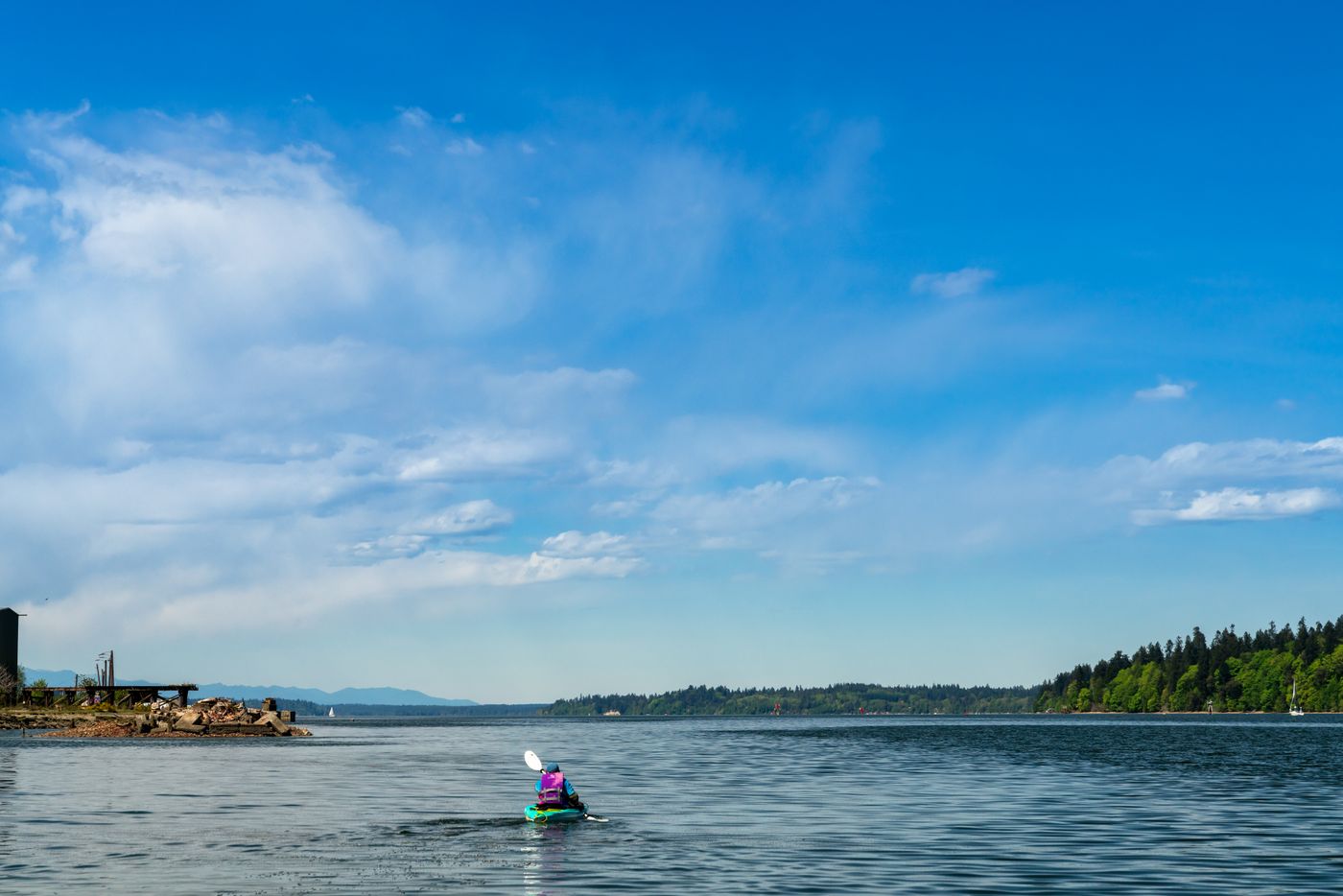
What to Wear Kayaking: A Complete Gear Guide buyers have more options than ever. The cardinal rule of kayaking clothing: dress for the water temperature, not the air temperature. If you flip in 55°F water on a warm sunny day, it's the water temperature that puts you at risk of cold shock — not how warm it feels outside.
Above 70°F water: swim shorts and a rashguard or quick-dry shirt work fine. 60–70°F: a wetsuit or paddle jacket over synthetic layers is appropriate. Below 60°F: a drysuit or thick wetsuit (3mm+) is essential. Cold water causes cold shock, swimming failure, and hypothermia in that order. Above 70°F you have time if you flip; below 60°F you don't.
Cotton kills — it stays wet, loses insulation value when wet, and takes forever to dry. Use quick-dry polyester or merino wool base layers. A kayaking cag (paddling jacket) or rashguard provides sun protection and wind blocking. For cold weather, a thermal underlayer plus a waterproof shell is the standard setup.
Water shoes or neoprene booties are the practical choices — they drain quickly, grip wet surfaces, and protect your feet at the launch point. Sandals work for warm weather recreational paddling. Barefoot is fine on a sit-on-top in warm weather. Never paddle in flip-flops — they come off at inconvenient times.
Water reflects UV, doubling your sun exposure compared to land activities. Apply SPF 50 sunscreen to all exposed skin before your paddle, reapply every 90 minutes, and wear a broad-brim hat with a chin strap. UV-blocking long-sleeve shirts (UPF 50+) are more reliable than sunscreen reapplication on long paddles.
A properly fitting PFD (personal flotation device) worn at all times is the baseline. A whistle attached to your PFD is required in many areas and genuinely useful for signaling. A dry bag for your phone. Sunglasses with a retention strap. On rivers and moving water, a helmet is appropriate even for recreational paddlers.
Only if your water temperature is below 70°F. For warm summer lake and river kayaking in most of the continental US, you don't need a wetsuit. For spring and fall paddling, early season rivers, or coastal Pacific paddling where water stays cold year-round, a wetsuit or drysuit is essential safety gear.
Put it in a waterproof case or dry bag before you launch. The MARCHWAY floating dry bag ($19) keeps your phone dry and floats if dropped overboard. Hard waterproof phone cases (Pelican, Lifeproof) work but don't float. Never put your phone loose in a kayak pocket.
See also: Best Life Jackets • Best Wetsuits & Dry Bags • Best Waterproof Cases & Dry Bags
What to Wear Kayaking: A Complete Gear Guide buyers have more options than ever. The cardinal rule of kayaking clothing: dress for the water temperature, not the air temperature. If you flip in 55°F water on a warm sunny day, it's the water temperatu
For more on what to wear kayaking: a complete gear guide, explore the related guides linked throughout this page. Each one goes deeper on specific aspects of the topic.
Choosing gear for what to wear kayaking: a complete gear guide comes down to your budget, experience level, and how often you plan to use it. Our recommendations above are matched to different buyer profiles.