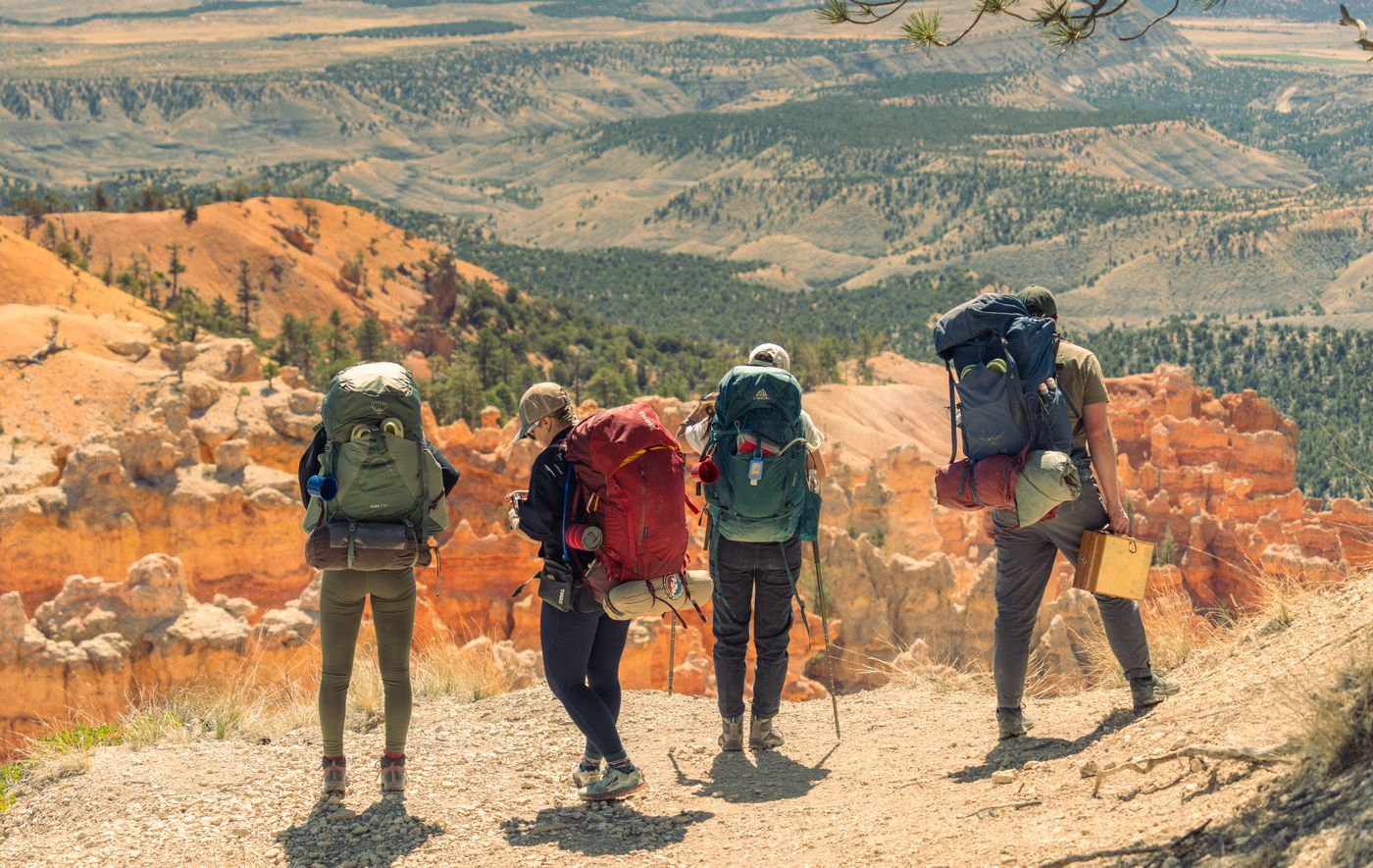
What to Pack for a Weekend Backpacking Trip buyers have more options than ever. A 2-night backpacking trip is the perfect introduction to backcountry camping. Pack these essentials and you'll sleep well, eat well, and stay safe — without destroying your back.
Tent or tarp (verified waterproof), footprint (optional but recommended for longevity), and stakes appropriate for your soil type. For a 3-season weekend trip, a 3-lb two-person tent is reasonable. Ultralight hikers use a single-wall shelter or tarp at under 1.5 lbs. Always pitch your shelter before dark.
Sleeping bag rated to the lowest expected temperature (add 10–15 degree buffer). Sleeping pad — either an inflatable (Therm-a-Rest NeoAir, Sea to Summit Ether Light) for comfort or a closed-cell foam pad for bombproof reliability. A pillow stuff sack filled with camp clothes weighs nothing and works well.
Stove, appropriate fuel, a 750–900mL titanium or aluminum pot, spork, and biodegradable soap plus scrub pad. Bear canister or hang kit depending on your wilderness area regulations. Two days of food is roughly 2,500–3,500 calories per person per day.
Never drink untreated backcountry water — Giardia and other pathogens are everywhere. A Sawyer Squeeze (2 oz, filters 100,000 gallons) is the gold standard for backpacking. Aquatabs as a backup weigh almost nothing. Carry two 1-liter soft flasks and filter at sources.
2 pairs of socks (merino wool), 1 base layer top and bottom (synthetic or merino), 1 mid-layer fleece, 1 rain jacket, 1 pair hiking pants or shorts, camp shoes or sandals, sun hat, warm hat, and lightweight gloves. Pack one less layer than you think you need — you'll warm up on the trail.
Headlamp with extra batteries, first aid kit, multi-tool or knife, emergency bivvy, paper map of your area plus compass, charged phone with offline trail maps, and a satellite communicator (Garmin inReach, SPOT) for any trip more than a mile from a trailhead.
Trowel for cat holes (6 inches deep, 200 feet from water), toilet paper in a zip lock, biodegradable soap, pack-out waste bags if required by your wilderness area. Bear canister or odor-proof bag for toothpaste, lip balm, and anything scented. Pack it in, pack it out — always.
For a 3-season weekend trip, a base weight of 15–20 lbs is typical for recreational backpackers. Experienced ultralight hikers get this under 10 lbs. Don't obsess over weight on your first few trips — comfort and safety first.
The big three — shelter, sleeping bag, and sleeping pad — account for 40–60% of your base weight. Investing in lighter versions of these three items gives you the most return. After that, eliminate duplicate items and cut packaging off everything.
See also: Best Backpacking Gear • Best Ultralight Backpacks • Best Water Filters
What to Pack for a Weekend Backpacking Trip buyers have more options than ever. A 2-night backpacking trip is the perfect introduction to backcountry camping. Pack these essentials and you'll sleep well, eat well, and stay safe — without destroying y
For more on what to pack for a weekend backpacking trip, explore the related guides linked throughout this page. Each one goes deeper on specific aspects of the topic.
Choosing gear for what to pack for a weekend backpacking trip comes down to your budget, experience level, and how often you plan to use it. Our recommendations above are matched to different buyer profiles.