
Kayak Safety Essentials: What Every Paddler Needs to Know buyers have more options than ever. Most kayaking accidents involve paddlers who didn't wear a PFD, paddled alone, or underestimated the conditions. Kayaking on calm water is genuinely low-risk — but the risks that do exist are all preventable. Here's what every paddler needs to know before hitting the water.
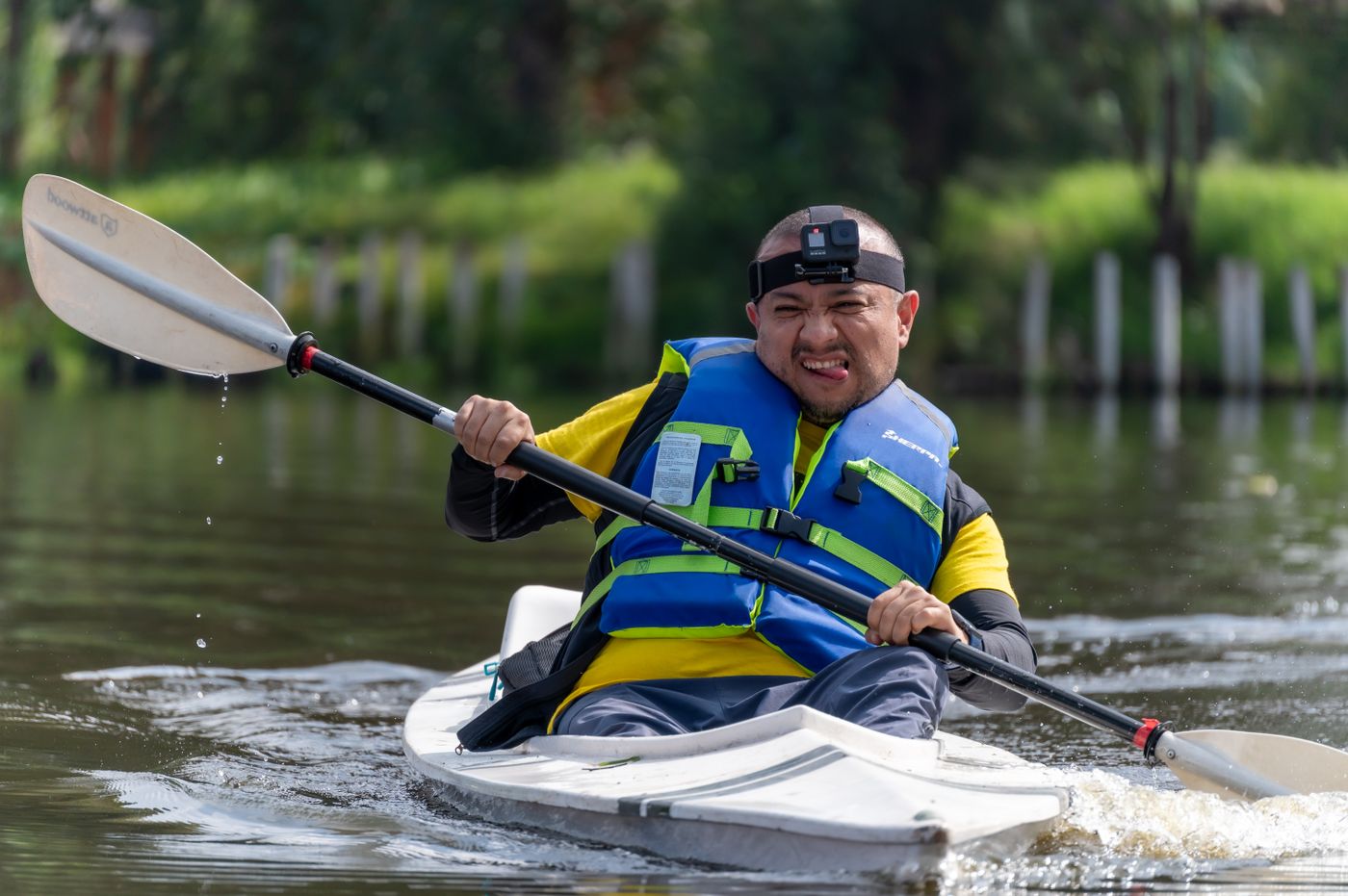
A PFD in the bow hatch or strapped to the deck is useless if you flip and can't reach it. Wear your PFD on every paddle, on every trip. US Coast Guard-approved Type III PFDs are the standard for recreational kayaking — comfortable enough to forget you're wearing them after 10 minutes.
Before every paddle, tell someone on land: where you're launching, your route, and what time to call for help if they haven't heard from you. This is a float plan. It doesn't have to be formal — a text to a friend that says 'I'm kayaking on Lake X, launching at 9am, expect to be back by 2pm' is a float plan. It saves lives.
Check wind forecast before launching, not just temperature. Winds above 15 mph create conditions that challenge experienced paddlers on open water. Afternoon thunderstorms are a real risk in the summer across much of the US — plan paddles for morning when possible and get off the water if you hear thunder.
Practice wet exits and re-entry before you need them. For sit-on-top kayaks: practice climbing back on in calm, shallow, warm water. For sit-in kayaks: practice a wet exit (tucking forward, pushing the skirt, and swimming clear) and a paddle float re-entry. Knowing you can do this converts panic into problem-solving.
Beyond your PFD: a whistle (Coast Guard required on federally controlled waters), a waterproof dry bag for your phone, a bilge pump for sit-in kayaks, a paddle float for self-rescue, and for any paddling where you'll be away from shore, a VHF radio or personal locator beacon (PLB). For overnight trips, a headlamp and first aid kit are baseline.
Wear your PFD on every paddle, no exceptions. Everything else — float plans, weather checks, self-rescue skills — builds on that foundation. More kayaking fatalities involve non-PFD wearing paddlers than any other single factor.
Experienced kayakers paddle solo regularly — it's a different experience, quieter and more self-reliant. For beginners, paddling with a partner is safer. If you paddle solo, file a detailed float plan, stay within your skill level, avoid cold water and rough conditions, and carry communication gear (VHF radio, PLB, or satellite messenger).
See also: Best Life Jackets for 2026 • Best Waterproof Cases & Dry Bags • Water Sports Hub
Kayak Safety Essentials: What Every Paddler Needs to Know buyers have more options than ever. Most kayaking accidents involve paddlers who didn't wear a PFD, paddled alone, or underestimated the conditions. Kayaking on calm water is genuinely low-ris
For more on kayak safety essentials: what every paddler needs to know, explore the related guides linked throughout this page. Each one goes deeper on specific aspects of the topic.
Choosing gear for kayak safety essentials: what every paddler needs to know comes down to your budget, experience level, and how often you plan to use it. Our recommendations above are matched to different buyer profiles.