
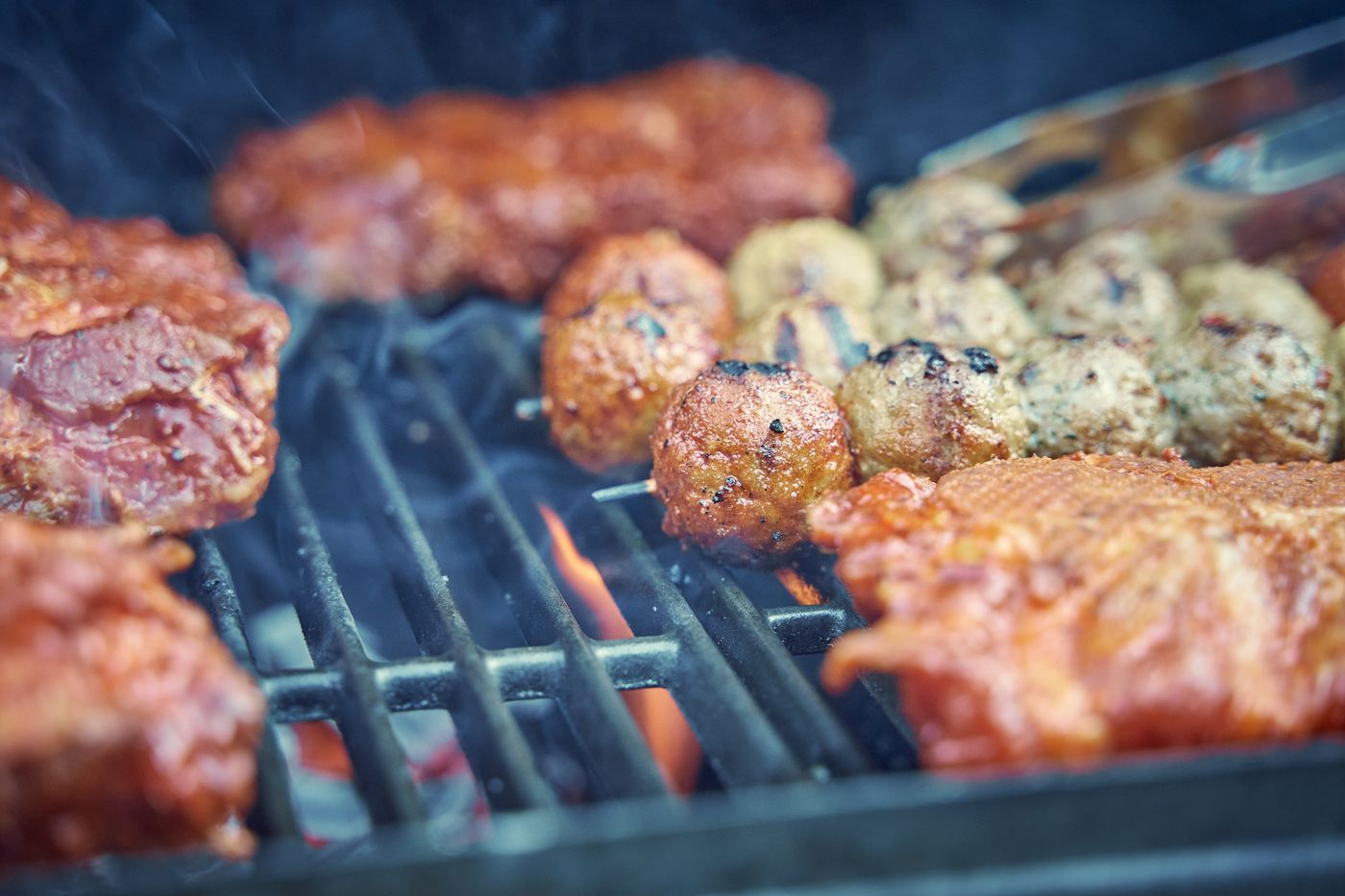
Charcoal vs Gas Grill: Which Should You Buy? buyers have more options than ever. Charcoal vs gas is the backyard debate that never ends. Both produce great food — but the experience and results differ in meaningful ways. Here's an honest breakdown to help you choose.
Charcoal produces a distinct smoky flavor that gas cannot replicate. The high heat and smoke from burning charcoal creates the Maillard reaction more aggressively, producing a different crust and flavor profile. Blind taste tests consistently show a preference for charcoal-cooked steaks. However, the difference is more pronounced for steaks and burgers and less noticeable for chicken, fish, or vegetables.
Gas grills reach cooking temperature in 10–15 minutes. Charcoal takes 30–45 minutes using a chimney starter. After cooking, a gas grill cools in an hour; charcoal embers need 24 hours or safe disposal. For Tuesday night weeknight grilling, gas makes cooking realistic. For a Saturday afternoon project, charcoal is worth the extra time.
Gas grills have precise temperature control via dials — turn a knob and you have exact, repeatable heat. Charcoal temperature management is a skill: air vent adjustment, charcoal arrangement, and chimney technique all affect temperature. Charcoal can reach higher peak temperatures (700°F+) than most gas grills, which matters for dry-aging-quality sears.
Entry-level gas grills: $300–500. Propane costs roughly $4 per fill, and a full tank handles 20–25 cooking sessions. Entry-level charcoal grills: $50–200. Charcoal runs $1–2 per session for standard briquettes, $2–4 for premium lump charcoal. Over time, charcoal consumable costs are similar to propane — the difference is in convenience and upfront grill cost.
Buy gas if: you grill 2–3 times per week, value convenience, or cook for weeknight meals. Buy charcoal if: you prioritize maximum flavor, enjoy the ritual and process, or mostly grill on weekends when time is available. Many serious backyard cooks own both — a kettle charcoal grill for weekend steaks and a gas grill for everything else.
Yes, with a smoke box. Add wood chips to a smoker box (or a foil packet with holes) and place it over a burner — you'll get genuine smoke flavor even from a gas grill. It won't match a charcoal or dedicated smoker, but it's a meaningful upgrade.
Both are safe with proper use. Gas fires from leaky connections are rare but happen — always check connections annually and never use a gas grill in an enclosed space. Charcoal produces carbon monoxide — never grill in a garage, tent, or enclosed area. Outdoors with proper airflow, both are safe.
See also: Best Gas Grills for 2026 • Best Charcoal Grills • Best Smokers
Charcoal vs Gas Grill: Which Should You Buy? buyers have more options than ever. Charcoal vs gas is the backyard debate that never ends. Both produce great food — but the experience and results differ in meaningful ways. Here's an honest breakdown to
For more on charcoal vs gas grill: which should you buy?, explore the related guides linked throughout this page. Each one goes deeper on specific aspects of the topic.
Choosing gear for charcoal vs gas grill: which should you buy? comes down to your budget, experience level, and how often you plan to use it. Our recommendations above are matched to different buyer profiles.