Best Wetsuits for Surfing, Kayaking & Water Sports 2026 buyers have more options than ever. The right wetsuit keeps you warm and mobile — the wrong one is stiff, restrictive, and makes a cold-water session miserable. Here's how to choose, and the top wetsuits in each category.
| Pick | Award | Key spec | |
|---|---|---|---|
| O'Neill Psycho Tech 3/2mm | Best Overall | — | Check price |
| Rip Curl Dawn Patrol 3/2mm | Best Budget | — | Check price |
| Billabong Absolute 4/3mm | Best for Cold Water | — | Check price |
| Xcel Axis 5/4mm | Best Winter Suit | — | Check price |
| Quiksilver Syncro 2mm | Best Summer/Warm Water | — | Check price |
| NRS Endurance Sleeveless John | Best for Kayaking | — | Check price |
| Body Glove Method 3/2mm | Best Value | — | Check price |
| Patagonia R1 Yulex 3.5/2.5mm | Best Eco-Friendly | — | Check price |
The Psycho Tech is O'Neill's flagship suit — TechnoButter 3 neoprene is so stretchy it's hard to believe it insulates. Best 3/2mm wetsuit for surfers who want both warmth and maximum paddling freedom.
The Dawn Patrol is the undisputed best value wetsuit on the market. Rip Curl's E4 neoprene punches above its price class — this suit competes with options twice its price in warmth and movement.
The Absolute 4/3mm is the first cold-water suit most surfers buy when water temps drop below 60°F. Furnace Ultra Lite interior lining adds warmth without bulk, and the chest zip makes solo entry manageable.
For serious winter surfing and kayaking in cold climates, the Xcel Axis 5/4mm delivers genuine warmth in sub-50°F water. Infiniti Stretch interior panels maintain mobility despite the heavy neoprene.
The Syncro 2mm is the warm-weather water sports suit — thin enough to wear while paddleboarding, kayaking, or surfing in 65–75°F water where a full 3/2mm would be too warm.
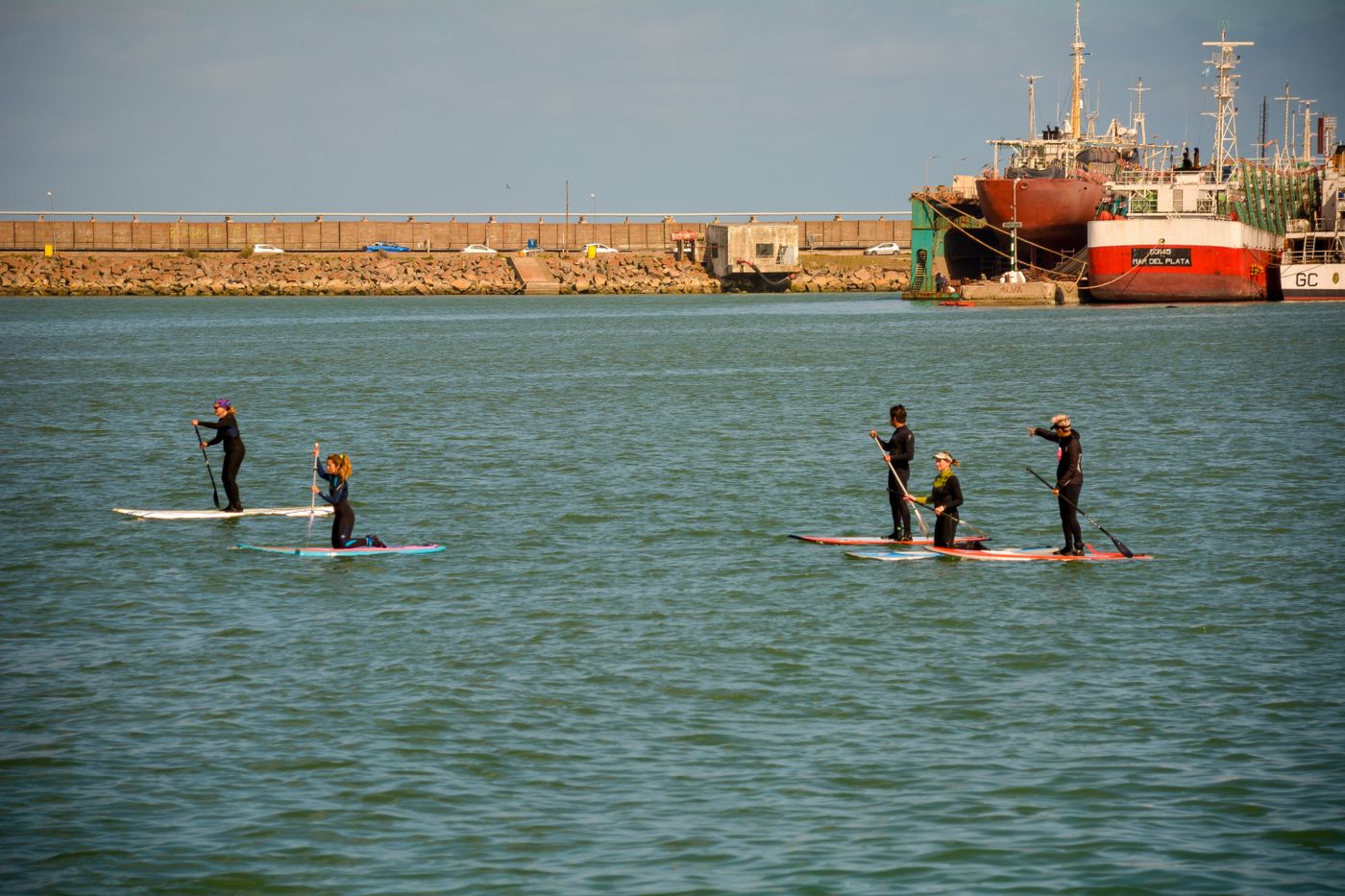
NRS builds wetsuits specifically for paddling sports. The Endurance Sleeveless John eliminates arm restriction — the biggest complaint about surfing wetsuits when paddling — making it the best choice for kayakers and SUP paddlers.
The Body Glove Method sits in the sweet spot between budget and premium — better flexibility than entry-level suits, noticeably less expensive than flagship models. A reliable option for recreational surfers and kayakers.
Patagonia's R1 Yulex uses natural rubber instead of petroleum-derived neoprene. It's the most environmentally responsible wetsuit available and performs at a flagship level — for paddlers who want both performance and sustainability.
2mm suits: 65–75°F water. 3/2mm suits: 58–68°F water. 4/3mm suits: 52–62°F water. 5/4mm suits: 45–55°F water. 6/5mm suits: below 45°F. These ranges overlap — personal body temperature and activity level affect what feels comfortable. A cold-natured paddler may need a 4/3mm where a warm-natured surfer is fine in a 3/2mm.
Back zip wetsuits are easier to put on alone but have a seam down the back that introduces a cold water flush on every duck dive or flip. Chest zip wetsuits seal better and are warmer — the sealed collar dramatically reduces water entry. For surfing: chest zip is worth the learning curve. For kayaking and SUP where full immersion is rare: back zip is more convenient.
Overlock stitched seams: budget suits, seams leak cold water. Flatlock stitched: comfortable against skin, some flush on duck dive, acceptable for warmer water. Glued and blindstitched (GBS): seam is glued and stitched from outside only — most common quality construction. Taped: seam is additionally taped inside — warmest, used in winter suits. For anything below 60°F, GBS minimum.
Match thickness to your local water temperature, not air temperature. For most of the US east coast summer: 3/2mm. For California year-round: 3/2mm summer, 4/3mm winter. For the Pacific Northwest year-round: 4/3mm or 5/4mm. Florida paddlers can use a 2mm spring suit or rashguard for much of the year.
A quality wetsuit from O'Neill, Rip Curl, or Xcel lasts 3–5 years with proper care. The biggest longevity factors: rinse with fresh water after every salt water use, hang to dry in shade (UV degrades neoprene), and store flat or on a wide hanger (thin hangers crease neoprene permanently). Never put a wetsuit in the dryer.
Size down if between sizes. A wetsuit works by trapping a thin layer of water that your body warms — too loose a fit means too much water exchange and you lose warmth. The suit should feel snug (not painful) with no air pockets at the lower back. You should not be able to pinch excess neoprene anywhere.
See also: Best Life Jackets & PFDs • Best Kayaks for Beginners • Best Snorkeling Gear
The best wetsuits for surfing, kayaking & water sports 2026 balance performance, value, and durability. Our top picks cover a range of budgets and use cases — see the full comparison above for our ranked recommendations.
Wetsuits for Surfing, Kayaking & Water Sports 2026 range in price from $260 at the budget end to $480 for premium options. The best value is usually somewhere in the middle — see our picks above for specific price breakpoints.
2mm suits: 65–75°F water. 3/2mm suits: 58–68°F water. 4/3mm suits: 52–62°F water. 5/4mm suits: 45–55°F water. 6/5mm suits: below 45°F. These ranges overlap — personal body temperature and activity lev
For most first-time buyers, we recommend starting with a mid-range option rather than going straight to the most expensive wetsuits for surfing, kayaking & water sports 2026. O'Neill Psycho Tech 3/2mm is a solid starting point based on owner reviews and published specs.
Yes — quality wetsuits for surfing, kayaking & water sports 2026 are worth the investment for anyone who uses them regularly. The key is matching the spec to how often and how hard you'll use them. Our picks above flag the best value at each price point so you're not overpaying.