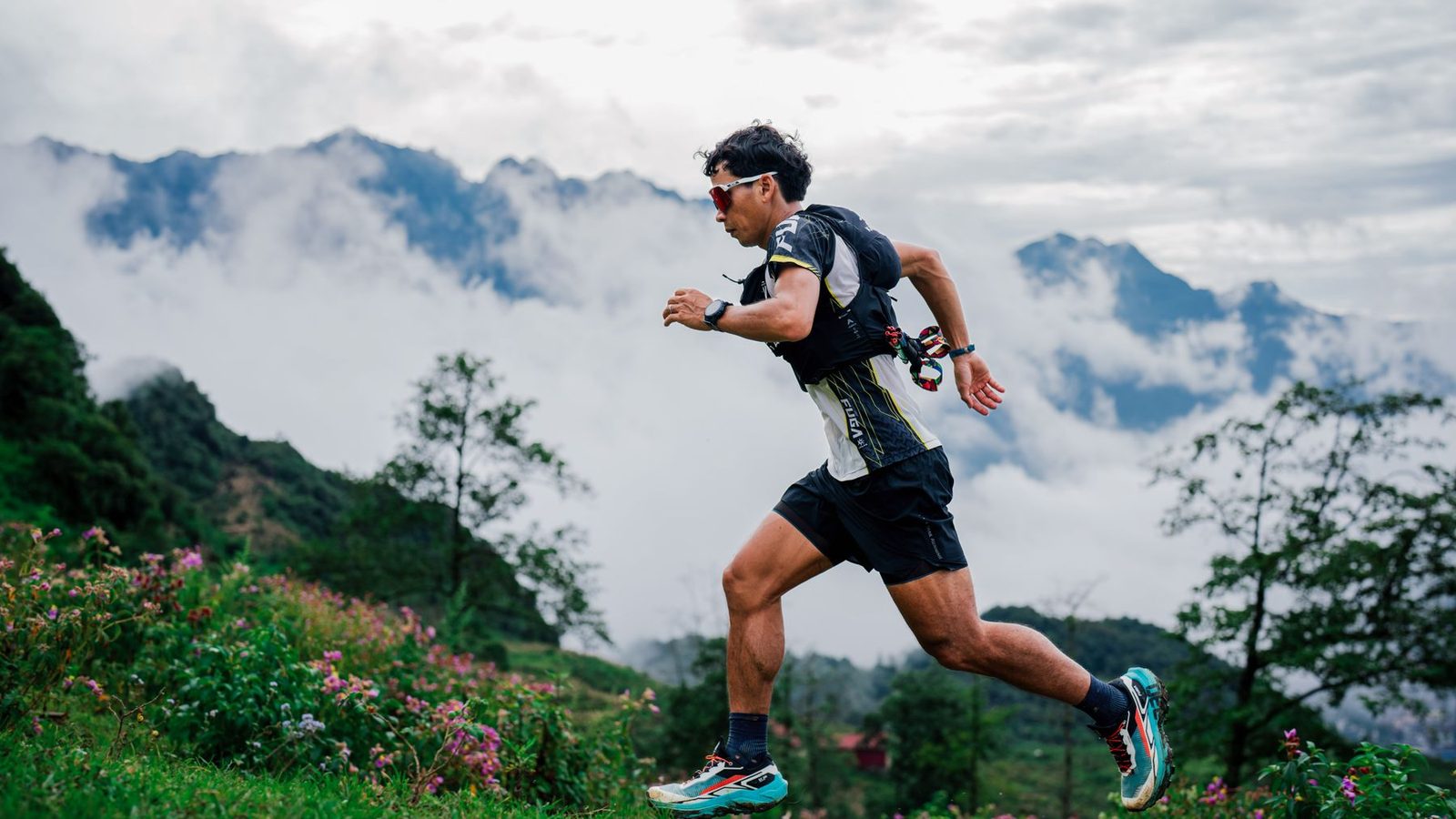
Best Trail Running Shoes buyers have more options than ever. Trail running shoes have converged with day hiking footwear — most serious day hikers now choose trail runners over traditional boots for everything except technical terrain. We compared ten pairs.
| Pick | Award | Key spec | |
|---|---|---|---|
| Hoka Speedgoat 5 | Best Overall | — | Check price |
| Brooks Cascadia 17 | Best Value | — | Check price |
| Salomon Sense Ride 5 | Best Lightweight | — | Check price |
| Altra Lone Peak 7 | Best Zero Drop | — | Check price |
| Salomon X Ultra 4 GTX Low | Best Waterproof | — | Check price |
| New Balance Fresh Foam X Hierro v7 | Best Max Cushion | — | Check price |
| Merrell Trail Glove 7 | Best for Beginners | — | Check price |
| Saucony Peregrine 14 | Best Rock Plate | — | Check price |
| Hoka Speedgoat 5 Women's | Best for Women | — | Check price |
| La Sportiva Jackal II | Best Versatile | — | Check price |
The Speedgoat 5 is the benchmark trail runner. The Vibram Megagrip outsole handles wet rock and mud, and the cushioning absorbs the pounding of technical descent.
The Cascadia 17 is what runners recommend when someone wants a capable trail shoe without the premium price. Versatile, grippy, balanced cushioning.
The Sense Ride 5 prioritizes speed and ground feel. If you're doing more running than hiking, this is the natural choice over maximally cushioned alternatives.
The Lone Peak is the trail shoe that converts runners from conventional heel drop. The wide toe box and foot-shaped design are Altra's entire identity, and it works.
The X Ultra 4 GTX is the crossover option for hikers who want trail runner agility with waterproofing. Best for wet climates and shoulder-season hiking.
New Balance finally cracked the trail running market with the Hierro. The Fresh Foam X cushioning is noticeably comfortable on long miles.
The Trail Glove 7 is for natural-movement advocates who want minimal interference from the shoe. Low cost, reliable Vibram grip.
If you run or hike rocky technical terrain, the Peregrine 14's rock plate protection is worth the slight stiffness penalty.
The women's Speedgoat 5 uses a women's-specific last that fits female foot anatomy better than the unisex version. Same Vibram grip and max cushion.
La Sportiva's Jackal is for mountain runners who need one shoe for races, training, and big mountain days. Versatile enough to replace two pairs.
Drop is the height difference between heel and forefoot. High-drop shoes (8–12mm) suit runners transitioning from road running. Low-drop and zero-drop shoes promote more natural foot mechanics but require gradual transition.
Soft, deep lugs (4–6mm) grip loose soil and mud best. Harder, shallower lugs work better on hardpack and rock. Vibram Megagrip and Contagrip MA are the two best outsole compounds for all-conditions trail grip.
Size up a half size from your road shoe. Feet swell on long runs and descents, and you need toe clearance on downhills to prevent black toenails.
Trail runners for maintained trails, lighter packs, and speed. Hiking boots for off-trail, heavy packs, and technical terrain. Most day hikers are better served by trail runners.
300–500 miles for most trail runners. Check the outsole lugs and midsole compression. When the lugs are worn down and the midsole feels flat, it's time to replace.
Most trail runners handle light snow. For ice, you need microspikes or a shoe with a harder rubber compound. Waterproof trail runners (Gore-Tex) are better for slushy snow.
Yes, many ultralight backpackers prefer trail runners over boots. Best for well-maintained trails with moderate pack weight (under 30 lb). Heavier loads on technical terrain still benefit from ankle support.
See also: Best Hiking Boots • Best Hiking Daypacks • Best Trekking Poles
The best trail running shoes balance performance, value, and durability. Our top picks cover a range of budgets and use cases — see the full comparison above for our ranked recommendations.
Prices for trail running shoes vary widely depending on features and brand. Budget options start under $100 while premium models can run several hundred dollars or more. Our picks above cover the full range.
Drop is the height difference between heel and forefoot. High-drop shoes (8–12mm) suit runners transitioning from road running. Low-drop and zero-drop shoes promote more natural foot mechanics but req
For most first-time buyers, we recommend starting with a mid-range option rather than going straight to the most expensive trail running shoes. Hoka Speedgoat 5 is a solid starting point based on owner reviews and published specs.
Yes — quality trail running shoes are worth the investment for anyone who uses them regularly. The key is matching the spec to how often and how hard you'll use them. Our picks above flag the best value at each price point so you're not overpaying.