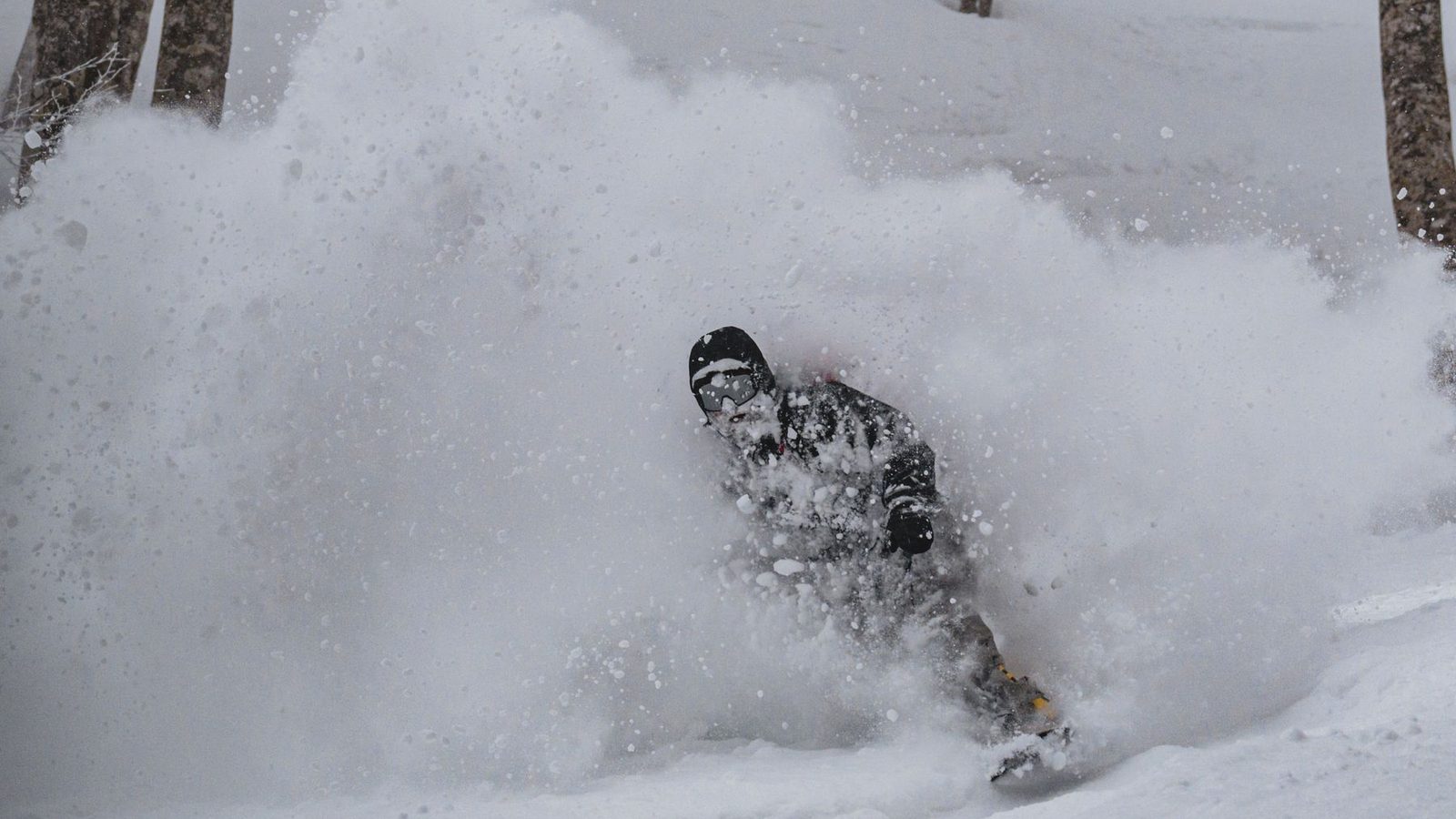
Best Snowboards buyers have more options than ever. The right snowboard transforms your time on the mountain. We compared boards across skill levels, terrain types, and budgets to find the best options for 2026.
| Pick | Award | Price | Key spec | |
|---|---|---|---|---|
| Burton Custom Flying V | Best Overall | $549.95 | — | Check price |
| Ride Warpig | Best for Powder | $499.95 | — | Check price |
| GNU Carbon Credit | Best for Freestyle | — | — | Check price |
| Lib Tech Skate Banana | Best for Beginners | $399.95 | — | Check price |
| K2 Raygun | Best Budget | $299.95 | — | Check price |
| Rossignol XV Sushi LF | Best Advanced | — | — | Check price |
The Burton Custom Flying V has been the benchmark all-mountain board for over a decade. The Flying V profile — alternating between rocker and flat — delivers forgiving edge catches for intermediates while still rewarding aggressive riding. Twin shape means you can ride switch effortlessly. If you only own one board, this is the one.
The Warpig looks like nothing else on the mountain and rides unlike anything else too. Its short, fat dimensions let you size down 6–8cm from your normal board, which translates directly to more float in powder without losing the directional drive. Loved by park rats and pow hunters alike.
GNU's Carbon Credit is the go-to park and pipe board for riders who want more edge hold than their jib board can offer. The Magne-Traction edge technology — 7 contact points instead of 2 — grips hardpack and ice like velcro while still releasing smoothly for butters and presses.
The original banana board that changed snowboarding. The Lib Tech Skate Banana's rocker profile keeps the edges off the snow between the feet, making it almost impossible to catch an edge on flat terrain. The BTX version adds a little extra response from the tail for progression riders. Perfect first serious board.
The K2 Raygun is the best value all-mountain board we’ve compared. It won't match the precision of a Burton or GNU, but at $300 it provides a solid directional twin platform for riders who want to progress without spending $500+.
Rossignol's XV Sushi is built for advanced riders who know their terrain. The directional shape, carbon reinforcement, and stiffer flex reward precise edge control and high speed — this board is at home on steep groomers and aggressive all-mountain terrain.
Snowboard length depends primarily on your weight, then your height. A 150–155cm board suits most riders 130–160 lbs. Go shorter for park riding and powder, longer for stability at speed. When in doubt, choose the shorter end of the recommended range — shorter boards are easier to turn and maneuver.
Camber (traditional arched profile) provides maximum edge hold and pop — best for advanced riders and groomers. Rocker (reverse camber, banana shape) floats in powder and reduces edge catches — best for beginners and powder. Flat profiles split the difference. Most modern boards use hybrid profiles combining elements of each.
Flex ratings run from 1 (very soft) to 10 (very stiff). Soft boards (1–4) are forgiving and playful — great for park, beginners, and powder. Medium boards (5–7) work everywhere. Stiff boards (8–10) are for hard charging on groomers and steep terrain. Match your flex to your primary riding style.
Start with your weight as the primary factor. Most sizing charts are weight-based: under 130 lbs = 145–150cm, 130–160 lbs = 150–155cm, 160–185 lbs = 155–160cm, over 185 lbs = 160cm+. Then adjust: go shorter for park/powder, longer for speed/freeride.
Twin boards are symmetrical — identical nose and tail — best for park riding and switch. Directional boards have a defined nose and tail with a setback stance — best for powder and freeride. Directional twins are a popular middle ground for all-mountain riders.
Budget $300–450 for a solid beginner-intermediate board. Avoid the cheapest package boards — they're heavy and difficult to progress on. The $350–450 range (Burton Ripcord, K2 Raygun, Lib Tech Skate Banana) hits the sweet spot of quality without overspending before you know your preferences.
See also: Best Snowboard Bindings • Best Snowboard Boots • How to Choose a Snowboard
The best snowboards balance performance, value, and durability. Our top picks cover a range of budgets and use cases — see the full comparison above for our ranked recommendations.
Snowboards range in price from $549.95 at the budget end to $449.95 for premium options. The best value is usually somewhere in the middle — see our picks above for specific price breakpoints.
Snowboard length depends primarily on your weight, then your height. A 150–155cm board suits most riders 130–160 lbs. Go shorter for park riding and powder, longer for stability at speed. When in doub
For most first-time buyers, we recommend starting with a mid-range option rather than going straight to the most expensive snowboards. Burton Custom Flying V is a solid starting point based on owner reviews and published specs.
Yes — quality snowboards are worth the investment for anyone who uses them regularly. The key is matching the spec to how often and how hard you'll use them. Our picks above flag the best value at each price point so you're not overpaying.