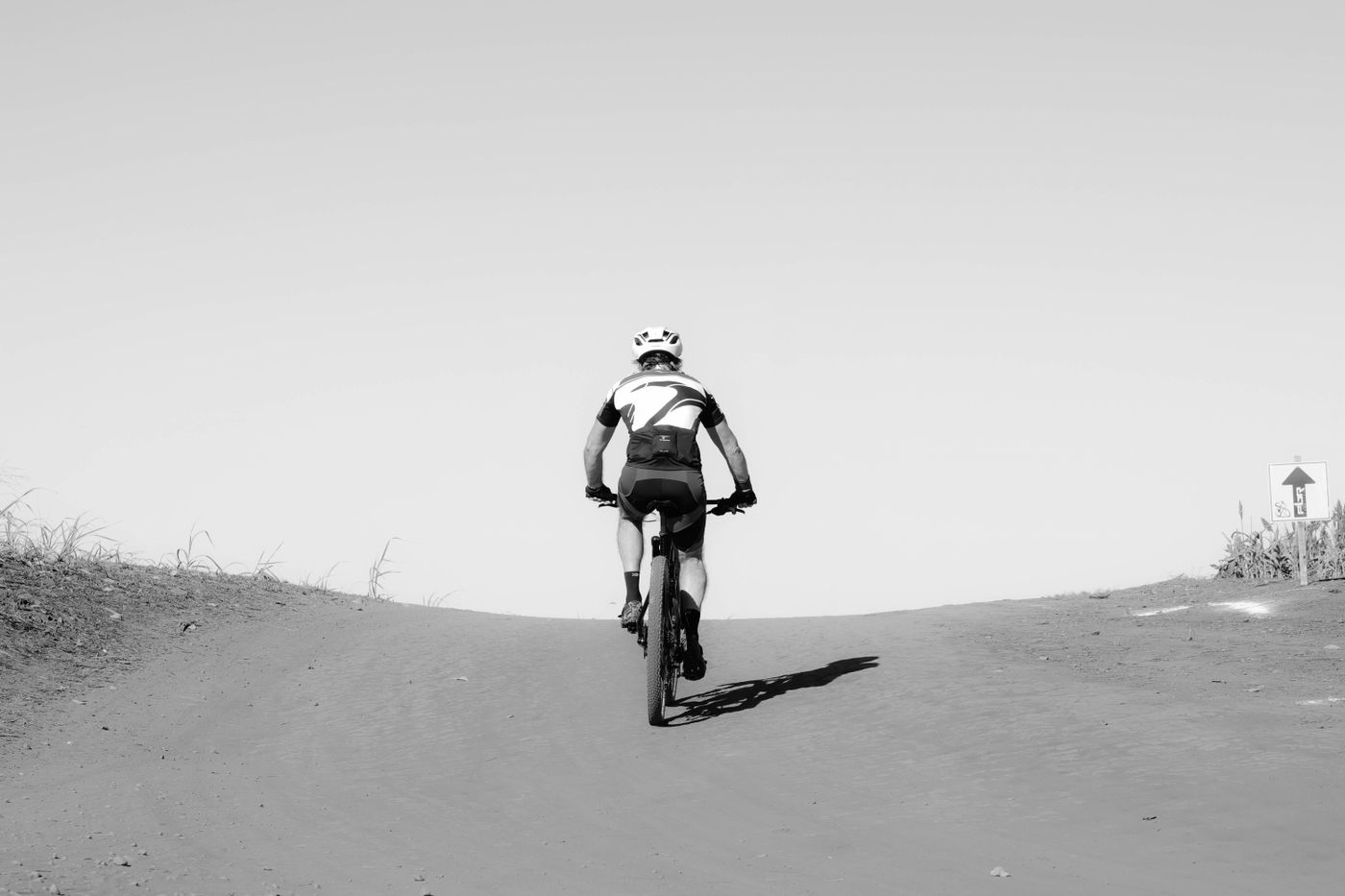
Best Mountain Bike Shorts 2026 — Trail & Enduro Picks buyers have more options than ever. MTB shorts have evolved dramatically — the baggy-over-liner system (a loose outer short worn over a padded cycling liner) has become standard for trail and enduro riding, replacing the skin-tight Lycra of road cycling with a silhouette that looks normal off the bike, moves freely on the bike, and provides the padding needed for long climbs and technical descents. Key features to evaluate: outer short fabric durability (DWR treatment for light rain, abrasion resistance for trail brush), liner chamois quality (the foam pad that makes long rides comfortable), waist adjustability, and pocket accessibility while riding. We compared five options.
| Pick | Award | Key spec | |
|---|---|---|---|
| Fox Racing Ranger MTB Short with Liner | Best Overall | — | Check price |
| Pearl Izumi Summit MTB Short | Best Liner Comfort | — | Check price |
| Giro Havoc MTB Short | Best Budget | — | Check price |
| Troy Lee Designs Sprint MTB Short | Best Enduro | — | Check price |
| Fox Racing Ranger Short — Women's | Best for Women | — | Check price |
The Fox Ranger is the default trail short recommendation from bike shop staff across North America — Fox has refined this design over many iterations, and the current Ranger hits the right combination of outer durability, inner liner comfort, pocket accessibility, and fit that makes it work for 90% of trail riders. The 4-way stretch outer moves with the body during technical climbing and descending without the bunching at the knee that stiffer fabric shorts produce. The DWR treatment handles the morning dew and light trail drizzle that would soak through untreated fabric. At $95 it's a reasonable price for a complete system (outer + liner) vs. buying the two pieces separately.
Pearl Izumi engineers their chamois with biomechanical research into saddle contact pressure distribution — the SELECT Transfer chamois is shaped to match the actual contact zones between rider and saddle, reducing hotspot pressure that causes discomfort and saddle sores on rides over 2 hours. For enduro riders who spend significant time in the saddle during long climbs (the Ranger and most trail shorts are optimized for mixed riding), the superior chamois quality of the PI Summit justifies the preference. The outer short's lighter fabric trades crash abrasion resistance for better breathability — appropriate for the majority of trail riders who rarely crash but ride long hours in warm weather.
The Giro Havoc is the budget entry point for purpose-built MTB shorts — at $65 it delivers the baggy-over-liner system at a price that's accessible for newer mountain bikers who are still figuring out if they'll ride consistently before committing to premium gear. The chamois liner is adequate for recreational trail riding sessions under 2 hours, and the stretch outer provides the fit-on-the-bike quality that separates proper MTB shorts from running shorts repurposed for riding. For riders who go out 2–4 times per month on typical trail centers, the Giro Havoc is a reasonable starting point. For regular riders who spend 3–6+ hours per week in the saddle, the $25 step up to the Fox Ranger provides meaningfully better chamois comfort over time.
Troy Lee Designs is the brand of choice for enduro and downhill racers, and the Sprint Short reflects that racing heritage — the reinforced seat and inner thigh panels survive the abrasion of repeated trail crashes that trail shorts absorb, the extended waistband integrates cleanly with body armor vests that enduro racers and aggressive trail riders wear, and the TLD Mountain chamois provides cushioning for the physical demands of all-day gravity riding. For weekend warriors who ride technical trails aggressively, crash occasionally, and want a short that survives hard use for multiple seasons, the Sprint's durability investment pays off. For casual trail riders, the Fox Ranger or Giro Havoc is a better value.
The Fox Ranger Women's Short is the women's version of the best overall trail short, with the same outer construction and DWR treatment but a women's-specific pattern that fits female proportions correctly. The women's-specific chamois liner is shaped differently from the men's liner to match female saddle contact anatomy — using men's chamois liners designed for male anatomy is a common source of discomfort for female riders that switching to women's-specific chamois eliminates. For female trail riders who have been making do with men's shorts or non-padded options, the Fox Ranger Women's is the direct upgrade path that provides purpose-built MTB short performance with appropriate fit.
| Short | Includes Liner | Best For |
|---|---|---|
| Fox Ranger (with liner) | Yes | Best overall trail |
| Pearl Izumi Summit | Yes | Long-ride comfort |
| Giro Havoc | Yes | Budget |
| Troy Lee Sprint | Yes | Enduro / aggressive |
| Fox Ranger Women's | Yes | Women's fit |
For any ride over 45 minutes on a saddle, yes. A chamois (foam-padded liner short worn under the outer baggy short) provides cushioning at saddle contact points that prevents the friction-based soreness that develops with repeated contact without padding. For very short casual rides (under 30 minutes), chamois liners are optional. For trail rides of 1–3+ hours, a quality chamois transitions from nice-to-have to genuinely essential for comfort. Many brands sell the outer short and liner separately; buying them together as a complete system (Fox Ranger with liner, Pearl Izumi Summit) ensures chamois compatibility with the outer short's waistband design.
Chamois cream is a lubricant applied to the chamois and skin contact zone before rides to reduce friction and prevent saddle sores. For recreational trail riders doing 1–2 hour sessions, good chamois quality alone typically prevents soreness. For longer enduro rides, multi-day bikepacking trips, and race-day efforts where friction accumulates over many hours, chamois cream provides meaningful additional protection. Popular options: Assos Chamois Crème (the premium standard), DZNuts Blend, and budget options from Chamois Butt'r. Apply to the chamois (not the skin) before riding — the cream lubricates the contact zone rather than eliminating it.
No — chamois liner shorts are designed to be worn without underwear, directly against skin. Wearing underwear under a liner short creates a fabric layer between the chamois and skin that bunches, reduces chamois padding effectiveness, and increases friction. This is the most common MTB clothing mistake new riders make. The chamois pad is designed to work directly against skin; the combination of chamois material and skin-contact cycling fabric manages moisture and reduces friction better without an underwear layer. Once you've ridden a few hours with and without a proper chamois liner worn correctly, the difference is immediately apparent.
Machine wash on cold with mild detergent — avoid fabric softeners, which degrade the DWR water repellent treatment on the outer and can damage chamois foam. Hang dry rather than using a dryer — heat degrades DWR, chamois foam, and elastic waistbands faster than air drying. Turn shorts inside out before washing to protect the outer DWR surface. For DWR restoration when water stops beading on the outer: tumble dry on low heat for 20 minutes (reactivates existing DWR), or apply a spray-on DWR treatment (Gear Aid Revivex). A well-maintained pair of quality MTB shorts lasts 3–5 seasons of regular riding.
See also: Best Mountain Bikes • Best MTB Gloves • Best MTB Knee Pads • Best MTB Shoes
The best mountain bike shorts 2026 — trail & enduro picks balance performance, value, and durability. Our top picks cover a range of budgets and use cases — see the full comparison above for our ranked recommendations.
Prices for mountain bike shorts 2026 — trail & enduro picks vary widely depending on features and brand. Budget options start under $100 while premium models can run several hundred dollars or more. Our picks above cover the full range.
For any ride over 45 minutes on a saddle, yes. A chamois (foam-padded liner short worn under the outer baggy short) provides cushioning at saddle contact points that prevents the friction-based sorene
For most first-time buyers, we recommend starting with a mid-range option rather than going straight to the most expensive mountain bike shorts 2026 — trail & enduro picks. Fox Racing Ranger MTB Short with Liner is a solid starting point based on owner reviews and published specs.
Yes — quality mountain bike shorts 2026 — trail & enduro picks are worth the investment for anyone who uses them regularly. The key is matching the spec to how often and how hard you'll use them. Our picks above flag the best value at each price point so you're not overpaying.