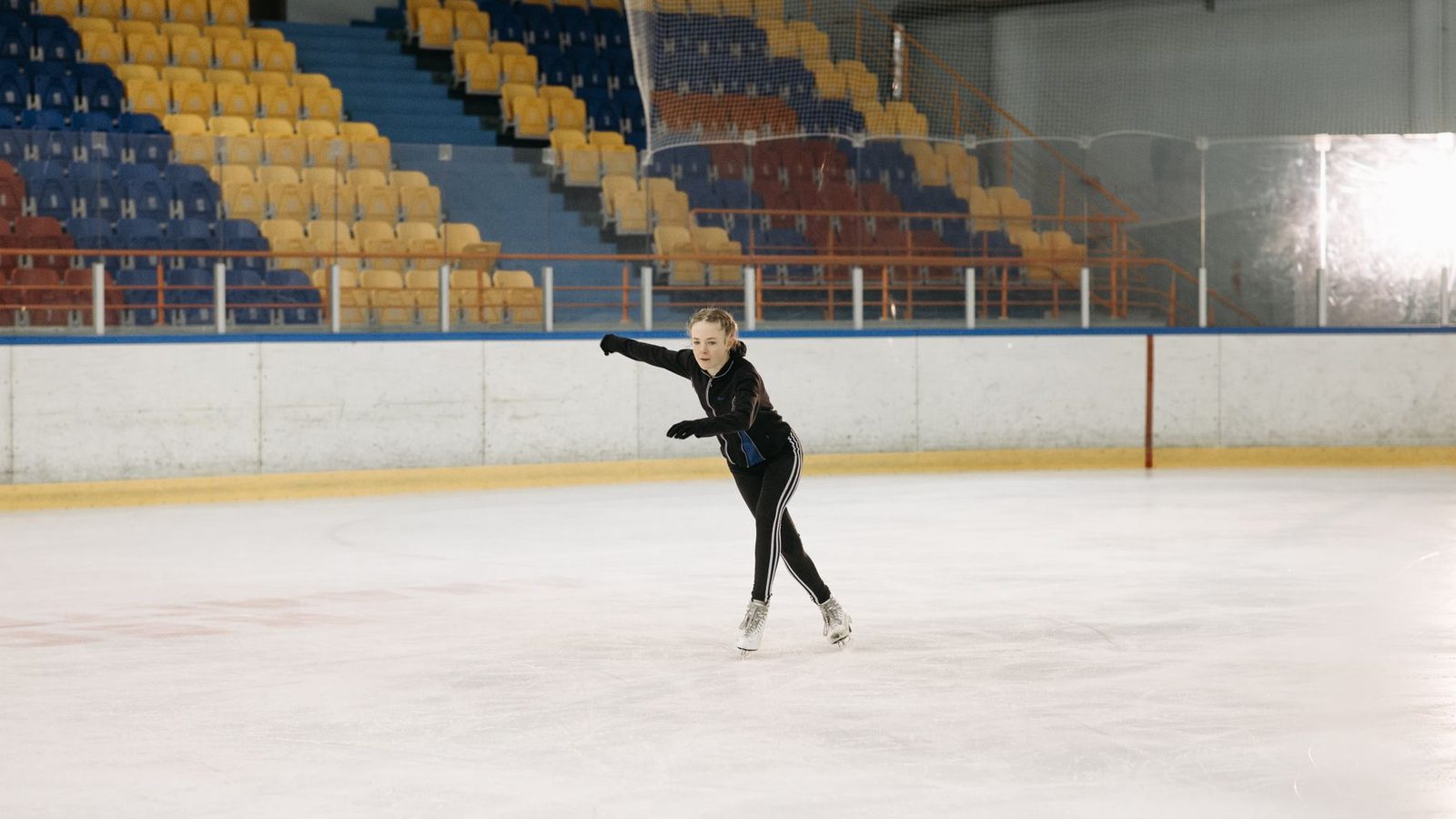
Best Ice Skates 2026 — Figure, Hockey & Recreational buyers have more options than ever. Ice skates divide into three categories with different boot constructions: figure skates (upright ankle support, toe picks for jumps and spins), hockey skates (aggressive forward lean, no toe pick, maximum power transfer for skating stride), and recreational skates (softer, warmer, more comfortable but less performance). For casual rink skating and pond hockey, recreational or entry-level hockey skates are the right choice. For lessons and figure skating progression, proper figure skates are essential — the toe pick is required for most figure skating maneuvers. We compared five skates covering both categories across beginner to intermediate levels.
| Pick | Award | Key spec | |
|---|---|---|---|
| Jackson Ultima Softec Vista Women's | Best Figure Skates | — | Check price |
| Bauer X-LP Ice Hockey Skates | Best Hockey Skates | — | Check price |
| Riedell 10 Opal Youth Figure Skates | Best for Kids | — | Check price |
| Jackson Freestyle Fusion Figure Skates | Best Intermediate Figure | — | Check price |
| CCM Tacks AS-580 Ice Hockey Skates | Best Intermediate Hockey | — | Check price |
Jackson Ultima is the dominant North American figure skate brand, and the Softec Vista is their recreational skate — designed for the majority of skaters who want to enjoy public skating sessions without the stiff, painful break-in of traditional hard boot figure skates. The insulated soft boot construction is genuinely warmer than hard boots (meaningful for outdoor rinks), fits immediately without break-in, and provides enough ankle support for recreational skating, basic crossovers, and beginner spins. The integrated toe pick enables figure skating maneuvers as technique develops. For casual rink skating and beginner lessons, the Softec Vista is the right choice at the right price — dedicated figure skaters pursuing jumps beyond a waltz jump or axel should move to a hard boot at the intermediate level.
Bauer has manufactured hockey skates for over 90 years and the X-LP represents their entry into the recreational segment — the boot is built on the same quarter package technology as their premium skates, just without the premium carbon fiber reinforcement and memory foam padding of higher tiers. For pond hockey, stick-and-puck sessions, and recreational adult hockey leagues, the X-LP provides real hockey skate performance at an accessible price. The aggressive forward pitch of hockey skate boots (designed for a skating stride, not an upright standing position) takes adjustment for skaters accustomed to figure skates or recreational skates — hockey skate technique favors a deeper knee bend and forward lean that translates to faster, more powerful skating once mastered.
Riedell has manufactured figure skates in Red Wing, Minnesota since 1945 — the 10 Opal is their entry-level youth skate designed for a child's first skating experience. The soft boot breaks in immediately without the painful stiff-boot experience that discourages young skaters from continuing the sport, the plush lining keeps feet warm during outdoor or cold rink sessions, and the pre-attached stainless blade provides a serviceable skating edge. For parents unsure whether a child will stick with skating, the $59 price point limits downside risk; for children who show genuine enthusiasm and begin lessons, upgrading to a mid-tier hard boot (Riedell 110 or Jackson Competitor) around the time jumps become part of their practice is appropriate.
The Jackson Freestyle is the standard recommendation from figure skating coaches for students ready to begin jumps and serious spin work — it's the most popular intermediate-level hard boot figure skate in North America. The stiffness that makes hard boots difficult to break in is the same stiffness that provides the ankle support needed to land jumps safely and generate power in spins. The included Mirage blade has a rocker profile optimized for edge maneuvers and spins that entry-level blades lack. For skaters who've completed basic figure skating lessons, can do forward and backward crossovers, and are beginning to work on waltz jumps and basic spins, the Freestyle Fusion is the right next skate.
CCM's Tacks line is the choice for recreational hockey players who've outgrown entry-level skates or whose feet don't fit Bauer's standard last — CCM's D-width construction sits wider at the forefoot, a significant comfort difference for the many players with wider feet who find Bauer boots uncomfortably narrow. The SpeedBlade XS holder on the AS-580 accepts blade replacement (rather than requiring full skate replacement when blades wear), a meaningful long-term value advantage. For adult recreational league players who skate 20–30 times per year, the AS-580's intermediate construction (better foam density and quarter package rigidity than the Bauer X-LP) provides meaningfully better energy transfer and skating performance.
| Skate | Type | Best For |
|---|---|---|
| Jackson Softec Vista | Recreational figure | Adult beginners / rink skating |
| Bauer X-LP | Entry hockey | Beginners / pond hockey |
| Riedell 10 Opal | Youth figure | Children's first skates |
| Jackson Freestyle Fusion | Intermediate figure | Learning jumps and spins |
| CCM Tacks AS-580 | Intermediate hockey | Rec league / wider feet |
The choice comes down to what you plan to do on the ice. Figure skates have a toe pick (the jagged teeth at the front of the blade) that enables jumps, spins, and figure skating maneuvers — without a toe pick, you cannot perform these movements. Figure skate boots are built upright, designed for a more vertical standing position. Hockey skates have no toe pick (it would catch and trip a hockey player), a forward-pitched boot designed for a bent-knee skating stride, and a shallower blade hollow optimized for faster skating rather than edge maneuvers. For casual rink skating: either works, but most beginners find figure skates more intuitive. For pond hockey and pickup games: hockey skates are necessary — figure skate toe picks catch in hockey situations and the forward edge control in hockey skates is better for stopping quickly. For lessons: match the type of lesson (figure skating lessons require figure skates; hockey development programs use hockey skates).
Ice skates run 1–1.5 sizes smaller than street shoe size for most brands. The fit should be snug — skate boots are designed to fit tighter than shoes, with toes just barely brushing the toe cap when standing straight, and a heel that doesn't lift when you flex your knee forward (heel lift causes blisters and reduces skating control). Thick skate socks are not recommended — skates are designed to fit with a thin athletic sock; thick socks push your foot forward, causing toe-box pressure and reducing ankle support. For children, buying skates "to grow into" results in poor fit and poor skating performance — fit snugly and size up as feet grow. For hard boot figure skates specifically, having a specialty skate shop fit them in person is strongly recommended over online purchase, as the fit nuances (arch support, toe box shape, width) are difficult to assess without trying on.
General guideline: sharpen every 8–12 skating hours. For recreational skaters using public rink ice: every 3–5 sessions. You'll notice the need for sharpening when you lose edge grip on crossovers, find it difficult to stop cleanly, or feel the skate sliding out when you push. Most ice rinks offer sharpening for $5–8 per pair on a standard hollow (5/8" for recreational skating is the most common recommendation). Avoid sharpening at blade radius smaller than 3/8" — shallower hollows create sharper edges but dig into soft public rink ice and catch unexpectedly. New skates come from the manufacturer with a sharpening, but it's often not ideal for the individual skater — have them freshly sharpened before your first use.
Rental skates are appropriate for 1–3 skating sessions per year for a casual participant who doesn't intend to develop skating skills. The break-even point is roughly 5–8 sessions — at $5–8 per rental, owning skates pays for itself quickly even at the entry level. More importantly, rental skates are typically dull, heavily worn, and poorly fitted — learning to skate on bad equipment makes development significantly harder. Skaters who take lessons, participate in hockey programs, or skate more than 3–4 times per season benefit meaningfully from their own properly fitted and sharpened skates, both for performance and for the foot development that happens when one pair of skates molds to your foot over repeated sessions.
See also: Best Ski Helmets • Best Hand Warmers • Best Beanies • Best Neck Gaiters
The best ice skates 2026 — figure, hockey & recreational balance performance, value, and durability. Our top picks cover a range of budgets and use cases — see the full comparison above for our ranked recommendations.
Ice Skates 2026 — Figure, Hockey & Recreational range in price from $89 at the budget end to $149 for premium options. The best value is usually somewhere in the middle — see our picks above for specific price breakpoints.
The choice comes down to what you plan to do on the ice. Figure skates have a toe pick (the jagged teeth at the front of the blade) that enables jumps, spins, and figure skating maneuvers — without a
For most first-time buyers, we recommend starting with a mid-range option rather than going straight to the most expensive ice skates 2026 — figure, hockey & recreational. Jackson Ultima Softec Vista Women's is a solid starting point based on owner reviews and published specs.
Yes — quality ice skates 2026 — figure, hockey & recreational are worth the investment for anyone who uses them regularly. The key is matching the spec to how often and how hard you'll use them. Our picks above flag the best value at each price point so you're not overpaying.