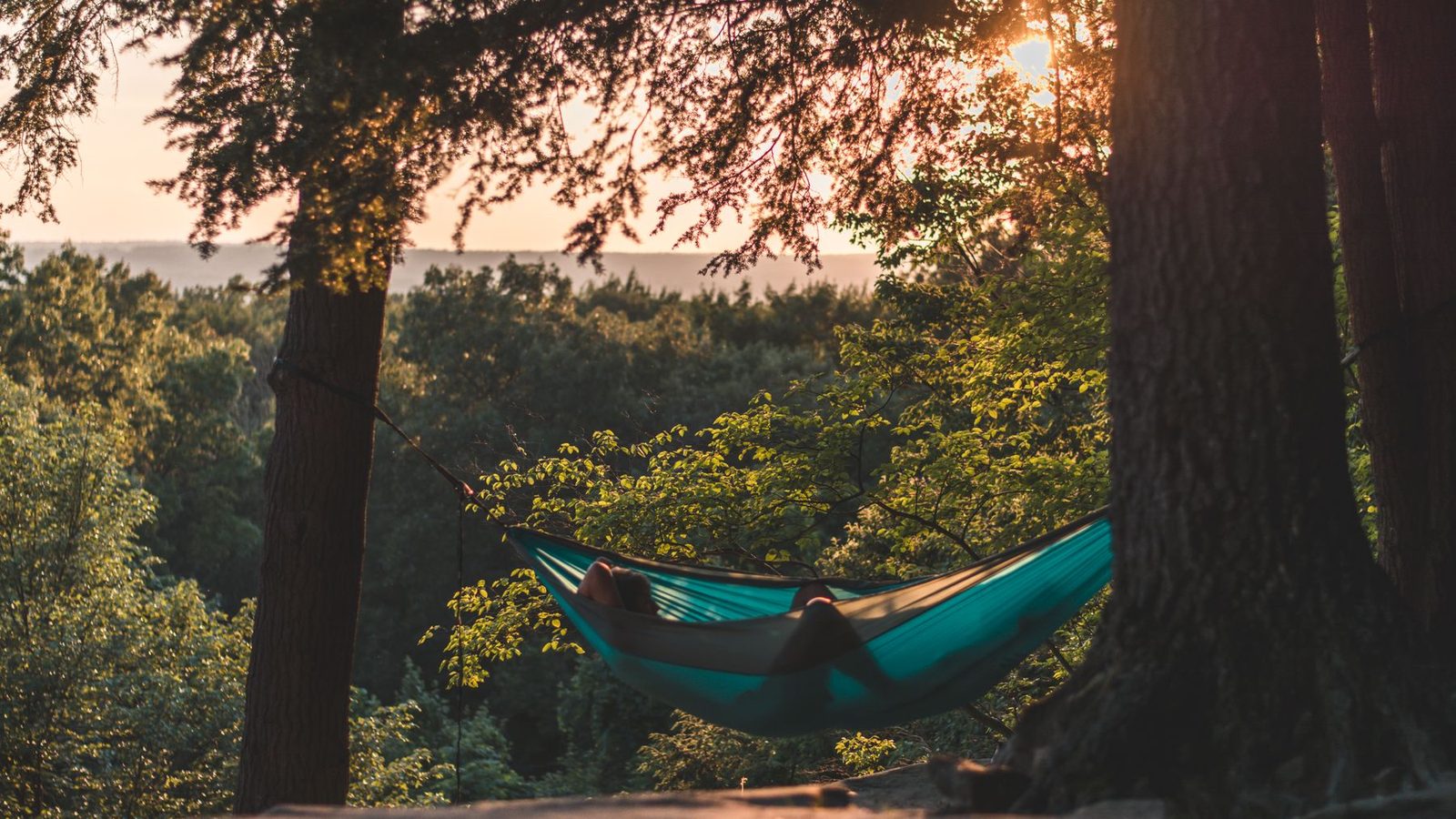
Best Camping Hammocks 2026 — Backpacking, Camping & Backyard buyers have more options than ever. Camping hammocks have evolved from beach loungers into a serious alternative shelter system for backpackers who sleep better off the ground. Modern camping hammocks pack to fist size, weigh 14–20 oz, set up in minutes between any two trees 12–15 feet apart, and when paired with an underquilt and tarp, provide a complete 3-season shelter system lighter than most tents. Beyond backpacking, hammocks also serve as campsite loungers, beach relaxation stations, and backyard hang spots. We compared five hammocks spanning use cases from ultralight backpacking to car camping comfort.
| Pick | Award | Key spec | |
|---|---|---|---|
| ENO DoubleNest Hammock | Best Overall | — | Check price |
| Grand Trunk Skeeter Beeter Pro Hammock | Best Budget | — | Check price |
| Kammock Roo Single Hammock | Best Backpacking | — | Check price |
| ENO Guardian Bug Net | Best Bug Net | — | Check price |
| Hummingbird Hammocks Single+ Hammock | Best Ultralight | — | Check price |
The ENO DoubleNest is the hammock equivalent of the Osprey Farpoint backpack — the consensus first recommendation for anyone entering the category, backed by that span casual backyard use to thru-hiking. At 22 oz it's not the ultralight option, but for most people the priority is reliability, a comfortable lay, and a brand with a warranty they'll actually honor — all of which ENO delivers. The double-wide 60" works for solo sleeping (diagonal position — the correct way to sleep in a hammock for a flat lay) with room to spare, or fits two adults sitting side by side for campfire hanging. Pair with ENO's Atlas Straps and you have a complete setup for under $100.
KingCamp sells the unglamorous half of a campsite — chairs, tables, cots, tents and sleeping kit — direct, which is usually where the price difference against the big brands shows up.
Shop KingCamp Camping Gear →Sponsored · Gear for the Weekend earns a commission if you buy through this link, at no extra cost to you.
The Grand Trunk Skeeter Beeter Pro earns the "best budget" label not because it's cheap — at $89 it's $20 more than the ENO DoubleNest — but because for summer hammock camping in bug country it replaces two separate purchases (bare hammock + bug net) with one. The integrated no-see-um netting zips up around the hammock occupant, protecting from mosquitoes and midges without the rig-separately hassle of aftermarket bug net systems. For campers in the Southeast, Northeast, Midwest, and Pacific Northwest from May through September, mosquito and no-see-um exposure in an open hammock is the thing that ends hammock camping for beginners — the Skeeter Beeter solves that problem at the first purchase.
Kammock markets themselves specifically to the backpacking and adventure travel community — the Roo Single is designed for people who replace their tent with a hammock rather than add a hammock to car camping gear. The included Python Straps (tree straps with cinch buckle system) eliminate the separate purchase that ENO requires, Kammock's Hex 70 nylon is purpose-engineered for the combination of lightness and strength that backpacking demands, and the integrated storage sleeve handles the gear organization challenge of hammock camping (where do shoes, glasses, and headlamp go when you're off the ground). The complete kit — hammock, straps, stuff sack — at 19 oz total makes it competitive with ultralight tent systems for backpackers who sleep better elevated.
The ENO Guardian is the bug net solution for the substantial population of hammock campers who already own an ENO DoubleNest or SingleNest and discovered that summer camping in bug country requires protection they didn't plan for. At $59 it converts an existing bare hammock into a bug-protected system for less than replacing the hammock with an integrated version. The clip-on design attaches to the ridgeline without modification, and the no-see-um netting is fine enough to stop gnats and midges — the bugs that typically defeat mosquito-only net designs. For new buyers deciding between this approach and the Grand Trunk Skeeter Beeter Pro's integrated system: the separate hammock + net approach costs slightly more total but allows independent replacement of either component if one fails.
Hummingbird makes hammocks for ultralight backpackers who've already counted every gram in their kit and know exactly what the weight tradeoff costs. At 8.5 oz the Single+ hammock is less than half the weight of the ENO DoubleNest and packs smaller than most stuff sacks — but that 20D nylon thinness comes with delicacy requirements that 70D doesn't have. Hummingbird's customer base is experienced ultralight hikers who know how to handle light gear carefully and accept the tradeoffs; for casual campers, the Kammock Roo or ENO DoubleNest's durability margin is more appropriate. For thru-hikers targeting a pack base weight under 8 lbs where the hammock is the primary sleep system, the Hummingbird is the choice.
| Hammock | Weight | Width | Best For |
|---|---|---|---|
| ENO DoubleNest | 22 oz | 60" | Best overall / first hammock |
| Grand Trunk Skeeter Beeter Pro | 24 oz | 57" | Integrated bug net / summer camping |
| Kammock Roo Single | 19 oz | 55" | Backpacking / straps included |
| ENO Guardian Bug Net | 8 oz | — | Add-on bug net for ENO hammocks |
| Hummingbird Single+ | 8.5 oz | 54" | Ultralight backpacking |
The most common beginner mistake is hanging too tight — a banana-curved hammock with steep suspension angles is both uncomfortable and hard on tree anchors. The correct setup: hang at 30 degrees from horizontal (measure by eye — the straps should look like a shallow V, not steeply angled). Then sleep diagonally, not straight. A diagonal lay — feet toward one tree anchor, head toward the other, body at 15–20 degrees off the hammock's centerline — flattens the hammock body substantially and eliminates the "taco wrap" compression that bothers side sleepers. Most hammock discomfort is caused by sleeping straight-line along the centerline, which is the natural instinct but not the correct technique. Tree spacing: look for two trees 12–15 feet apart. Wider than 15 feet requires very long straps and creates extreme sag angles; narrower than 10 feet doesn't allow enough catenary curve for a comfortable lay.
Hammock sleep system components beyond the hammock itself: Tree straps (required): 1" wide minimum, preferably 1.5" — standard climbing webbing at ½" is too narrow for tree bark protection and banned in most wilderness areas. Tree straps add 4–8 oz per pair ($20–40). Underquilt (cold weather, below 60°F): Cold air circulates under a hammock and causes rapid heat loss not experienced sleeping on a ground pad — a purpose-built underquilt hangs under the hammock and insulates the bottom. Without it, temperatures above 50°F are uncomfortable and below 40°F are dangerous. ($80–200 for quality options). Tarp: see our camping tarps comparison for rain protection options — a hammock-specific catenary cut tarp provides better coverage than a rectangular flat tarp. Bug net: most important May–September in bug country; either integrated (Grand Trunk Skeeter Beeter) or add-on (ENO Guardian).
See also: Best Camping Tarps • Best Backpacking Quilts • Best Sleeping Bags • Best Camping Axes
The best camping hammocks 2026 — backpacking, camping & backyard balance performance, value, and durability. Our top picks cover a range of budgets and use cases — see the full comparison above for our ranked recommendations.
Camping Hammocks 2026 — Backpacking, Camping & Backyard range in price from $69 at the budget end to $89 for premium options. The best value is usually somewhere in the middle — see our picks above for specific price breakpoints.
The most common beginner mistake is hanging too tight — a banana-curved hammock with steep suspension angles is both uncomfortable and hard on tree anchors. The correct setup: hang at 30 degrees from
For most first-time buyers, we recommend starting with a mid-range option rather than going straight to the most expensive camping hammocks 2026 — backpacking, camping & backyard. ENO DoubleNest Hammock is a solid starting point based on owner reviews and published specs.
Yes — quality camping hammocks 2026 — backpacking, camping & backyard are worth the investment for anyone who uses them regularly. The key is matching the spec to how often and how hard you'll use them. Our picks above flag the best value at each price point so you're not overpaying.