
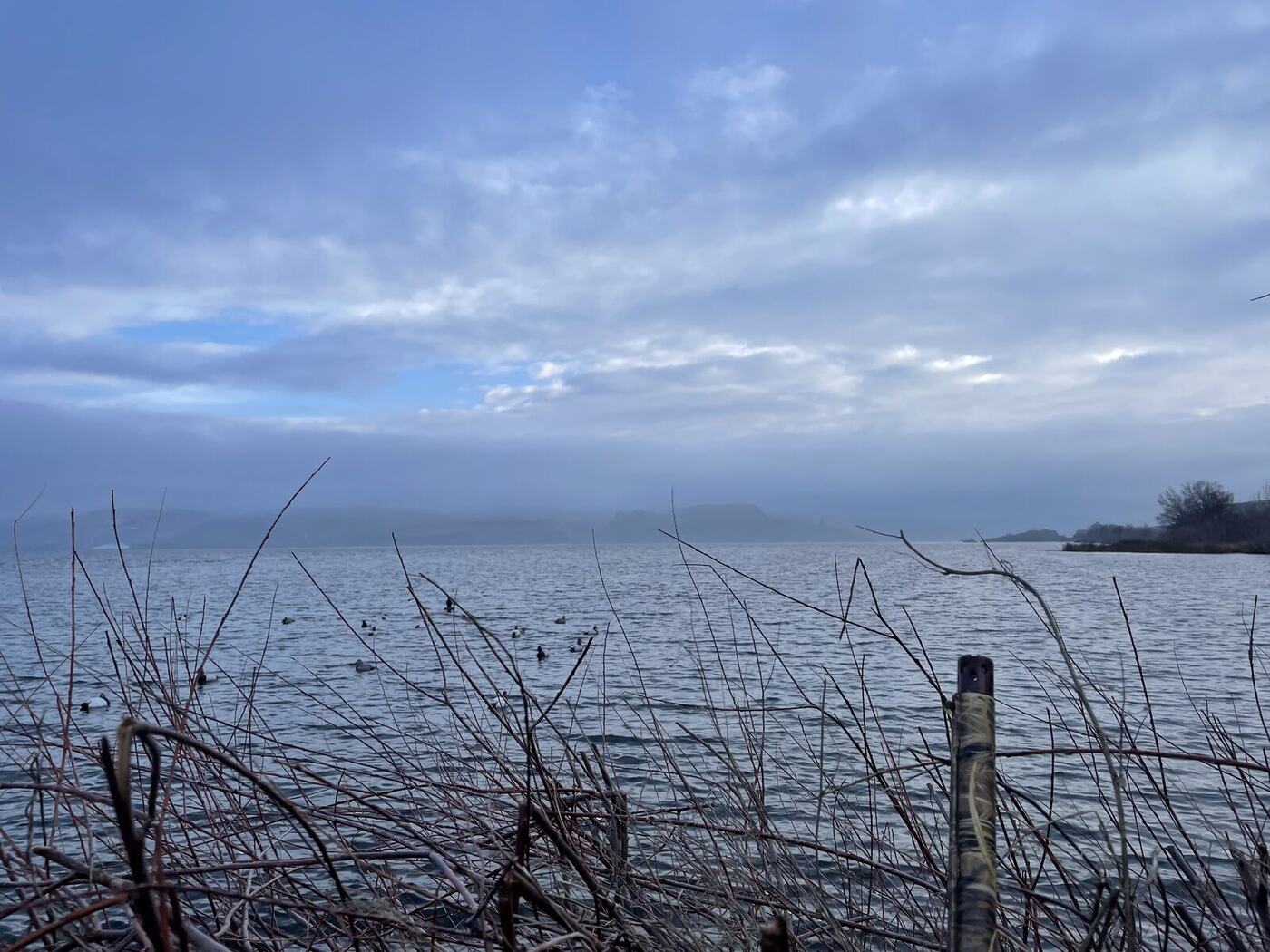
Best Duck Hunting Gear Guide 2026 buyers have more options than ever. Building a duck hunting rig from scratch — decoys, waders, blind, boat, calls, dog gear, and apparel — is a significant investment. Do it strategically and you buy once. Do it randomly and you end up with closets full of gear that doesn't work together. This guide is the seasonal checklist and build-it-right framework that I've refined over 20 years.
A "duck hunting rig" refers to your complete hunting setup — the combination of decoys, blind, boat/kayak, and calling systems that you deploy to attract and harvest birds. The right rig for a hunter who field-hunts private property in the Midwest is completely different from the right rig for a marsh hunter on the Gulf Coast or a timber hunter in Arkansas. This guide walks through building rigs for four primary hunting situations: field hunting, marsh/shallow water hunting, open water boat hunting, and public land hunting.
What Field Hunting Is: Setting decoys in harvested cornfields, soybean stubble, or flooded agricultural fields. Ducks feed in fields overnight and morning — your job is to intercept them before they reach their natural feeding areas. Field hunting produces some of the most consistent duck hunting in North America when you've scouted correctly.
Decoy Setup for Fields: 24–36 full-body field decoys (GHG, Avery, or Greenhead Gear) in the correct field camo pattern (harvested corn, bean stubble). Field decoys sit directly on the ground rather than floating. 1-2 spinning wing decoys on stakes, positioned 10-15 yards upwind of your landing zone.
Blind for Fields: Layout blind. The Final Approach Eliminator is the standard. Set in the middle of the landing zone so birds commit to the X and you're already in position. Brush it with whatever grows in or near the field. See our blind guide.
Waders/Footwear for Fields: Rubber boots or knee boots are adequate for most field hunting. Flooded fields may require waders. Insulated rubber boots (Muck Boot, Bogs) are the standard for cold-morning field hunting. See our boot guide.
Calling for Fields: Hail calls and highballs at distant birds. Comeback call if birds start to turn away. Feeding chuckle as they work the spread. An electronic caller running feeding sounds continuously can add realism to a large field spread — saves vocal fatigue over a long morning.
Estimated Field Rig Cost: 24 field decoys ($120–200) + layout blind ($150–200) + rubber boots ($90–180) + calls ($20–70) = $380–650 for a solid field hunting setup.
What Marsh Hunting Is: Setting floating decoys in ponds, sloughs, flooded fields, and marsh edges. The most traditional form of duck hunting — standing or sitting in natural cover or a portable blind, calling birds to a floating decoy spread.
Decoy Setup for Marsh: 12–24 floating decoys (mallards primarily, add pintails and teal for species diversity). J-hook or U-shape spread with opening facing into the wind. 1–2 spinning wing decoys or a jerk rig for motion. Texas-rig or keel-and-anchor rigging.
Blind for Marsh: Natural vegetation, a portable blind, or a brush pile. In cattail marsh, weave your way into the vegetation and you're already concealed. In open pond edges, you need a portable blind or layout blind. See our blind guide.
Waders for Marsh: Chest waders are standard. Breathable waders for warm and mild conditions, neoprene for late-season cold-water hunting. Sitka, Banded, or Patagonia for serious hunters; Frogg Toggs for budget. See our wader guide.
Estimated Marsh Rig Cost: 24 floating decoys ($100–180) + anchors ($30) + chest waders ($150–600) + calls ($20–70) + portable blind or natural cover = $300–900 depending on wader quality.
What Boat Hunting Is: Using a jon boat, duck boat, or kayak to access hunting areas and hunt from the boat itself with a blind kit installed. The most mobile form of duck hunting — you can change locations during the hunt based on bird movement.
The Boat: 14–17 foot aluminum jon boat with wide beam (48+ inches) for stability. Alumacraft 1548 or Tracker Grizzly are the standard platforms. Mud motor or long-tail motor for shallow marsh access. Trolling motor for silent final approach. See our boat guide.
Boat Blind Kit: Beavertail Boat Blind or similar kit that mounts to the gunwales. Brush it with marsh vegetation for concealment. Fold-down for running between spots, raise for hunting. See our blind guide.
Decoys from a Boat: 18–24 floating decoys rigged and ready in mesh bags. Texas-rig for fast deployment. 1–2 motion decoys. The boat gives you the ability to carry more decoys than you can walk in with — take advantage of it.
Dog in the Boat: A retriever in a boat needs a non-slip surface to stand on (rubber matting), a neoprene vest for cold water protection, and a PFD for deep water situations. See our dog gear guide.
Estimated Boat Rig Cost: Jon boat ($2,800–3,200) + blind kit ($249) + mud motor ($1,800) + trolling motor ($159) + decoys and gear ($300) = $5,300–5,700 for a complete boat hunting setup. The boat is the big investment — all the other gear is incremental.
Early Teal Season (September) — Gear Checklist:
✓ Federal Duck Stamp + state hunting license + state waterfowl stamp + HIP registration | ✓ Hip waders or knee boots (warm weather — no neoprene needed) | ✓ 12–18 teal decoys (scaled for teal, not mallard-sized) | ✓ 1 spinning wing decoy | ✓ Duck call (single reed, relaxed calling) | ✓ Light camo (shirt-weight — September mornings can be warm) | ✓ Face mask | ✓ Bug spray (September marsh hunting has mosquitos) | ✓ Water and snacks for a 2-3 hour hunt | ✓ Cooler for harvested birds
Main Season (October–November) — Additional Gear:
✓ Upgrade to chest waders (water gets deeper, temperatures drop) | ✓ Expand to 18–24 mallard decoys + pintail accents | ✓ Add a jerk rig or second spinning wing | ✓ Insulated base layer for cold mornings | ✓ Fleece mid-layer | ✓ Waterproof jacket (rain is common this time of year) | ✓ Insulated rubber boots for the boat or field | ✓ Binoculars for scouting and species ID | ✓ Hand warmers
Late Season (December–January) — Cold Weather Additions:
✓ Neoprene waders (warmest for extreme cold water hunting) | ✓ Insulated hunting bib | ✓ Heavy fleece or down mid-layer | ✓ -40°F rated rubber boots (Muck Boot Arctic Pro, Bogs Classic High) | ✓ Heated insoles | ✓ Balaclava or full face mask | ✓ Heavy camo gloves | ✓ Thermos (hot coffee/soup is survival gear on cold hunts) | ✓ Hand and foot warmers | ✓ Reduce decoy spread size — late-season birds are educated and a tight spread of realistic decoys outperforms big spreads
If you're building a duck hunting kit from scratch on a limited budget, here's the priority order:
Year 1 — Start Here: Licenses ($50–100) → Waders ($150) → 12 floating decoys + anchors ($120) → Duck call ($20) → Camo jacket + face mask ($80) → Headlamp ($30). Total: ~$550.
Year 2 — Upgrade: Better waders (breathable if you bought neoprene or vice versa) → More decoys (add 12, add pintails and teal) → Spinning wing decoy ($79) → Upgrade call ($50–70) → Better boots ($130–180).
Year 3+ — Specialize: Boat and blind kit if you're hunting marsh → Electronic caller if you do a lot of field hunting → Better camo (Sitka or Drake Waterfowl) → Dog gear if you're adding a retriever.
Resist the temptation to buy everything in Year 1. The learning curve on duck hunting is real — your second and third seasons will teach you what specific gear gaps you need to fill, and you'll make much better buying decisions with experience.
Decoys: Rinse mud and vegetation off at season end. Touch up faded paint with flat spray paint (brown, black, green, white). Replace bent or broken keels. Store in ventilated mesh bags to prevent mold. Re-rig any frayed or tangled lines before next season.
Waders: Wash with Nikwax Tech Wash or similar breathable garment cleaner. Re-treat DWR (water repellency) with Nikwax TX.Direct. Find and patch any pinholes before storing — use a bright flashlight inside in a dark room to find leaks. Store hanging, not folded.
Calls: Disassemble reed calls and rinse with fresh water. Let dry completely before storing. Check reeds for warping or damage. Replace reeds if call tone has changed significantly.
Electronic Caller: Remove batteries to prevent corrosion in storage. Update firmware/sound library if the manufacturer releases updates. Check speaker for damage.
Dog Vest and Gear: Machine wash neoprene dog vest per manufacturer instructions. Check all e-collar contact points and probes for corrosion. Replace batteries in remote and collar. Check training dummy integrity.
Boat (if applicable): Flush motor with fresh water. Change oil per manufacturer schedule. Check hull for cracks or stress points. Drain all water from bilge and live well. Winterize motor for storage. Check trailer lights, tires, and wheel bearings.
See also: Duck Hunting Beginner's Guide • Best Duck Decoys • Best Duck Hunting Waders • Duck Hunting Hub
The best duck hunting gear guide 2026 balance performance, value, and durability. Our top picks cover a range of budgets and use cases — see the full comparison above for our ranked recommendations.
Prices for duck hunting gear guide 2026 vary widely depending on features and brand. Budget options start under $100 while premium models can run several hundred dollars or more. Our picks above cover the full range.
A "duck hunting rig" refers to your complete hunting setup — the combination of decoys, blind, boat/kayak, and calling systems that you deploy to attract and harvest birds. The right rig for a hunter
Beginners should prioritize ease of use and value over premium features when choosing duck hunting gear guide 2026. Our budget pick in the comparison above is designed with new users in mind.
Yes — quality duck hunting gear guide 2026 are worth the investment for anyone who uses them regularly. The key is matching the spec to how often and how hard you'll use them. Our picks above flag the best value at each price point so you're not overpaying.