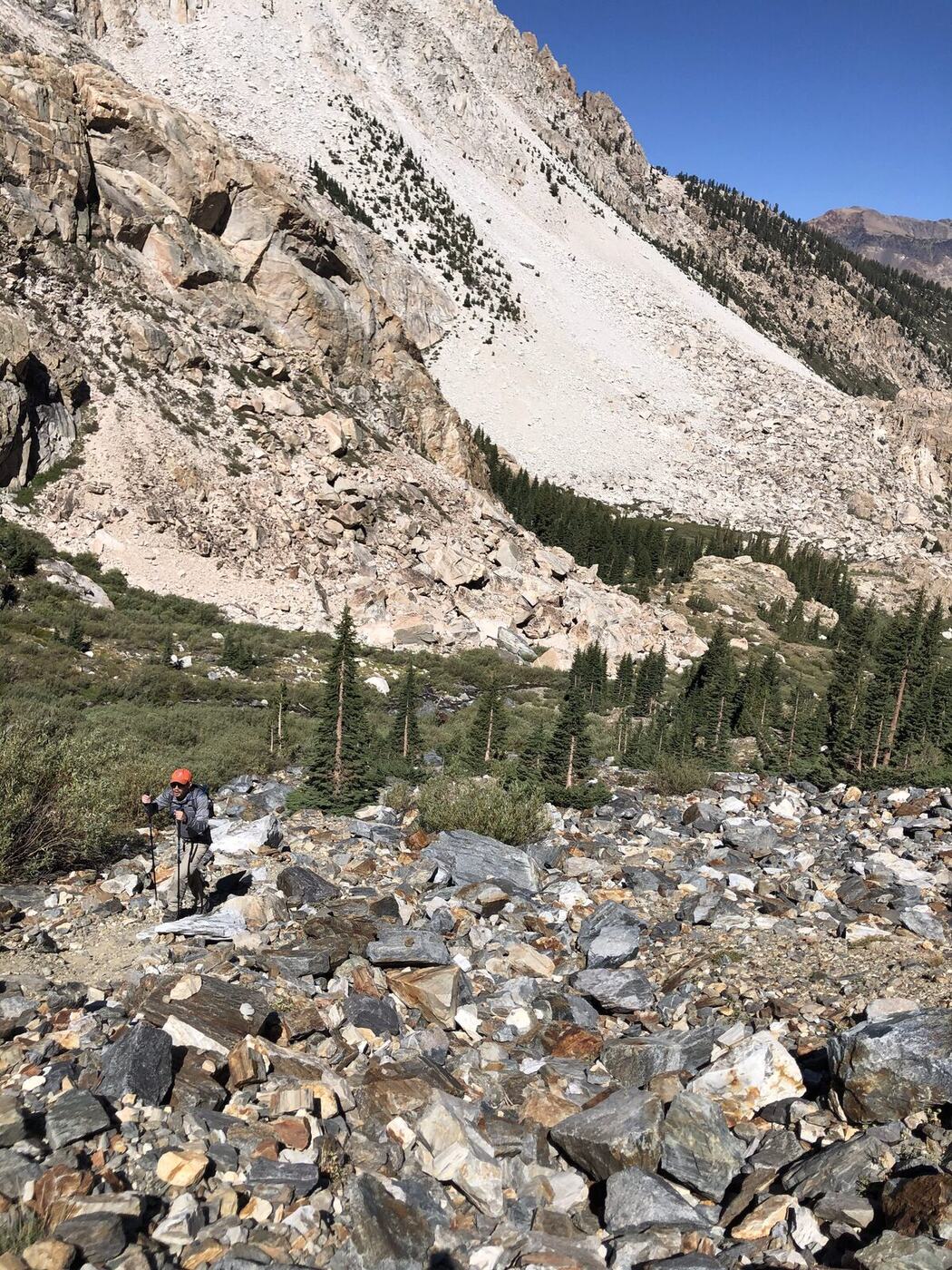
Best Climbing Helmets 2026 — Rock Climbing & Alpine Helmets buyers have more options than ever. A climbing helmet is one of the most skipped pieces of safety equipment in recreational climbing — and one of the most important. The primary threat isn't a fall (harness and rope handle that), it's rockfall: stones dislodged by the climber above, the rope, or natural processes. Even small rocks (golf ball to baseball sized) falling 40-100 feet deliver enough force to cause serious head injury without a helmet. The two main helmet construction types are hard shell (a rigid polycarbonate or ABS outer shell over EPS foam — heavier at 300-400g, more durable, better side-impact protection, often cheaper) and foam/MIPS (a thin EPS or EPP foam shell without a hard outer layer — lighter at 150-250g, better ventilation, comfortable for long technical routes, costs more). A third category is hybrid construction (a thin polycarbonate shell over a foam core, trying to balance the two). UIAA and EN 12492 certifications are the standards for climbing helmets — any CE/UIAA certified helmet provides the required impact protection; choose among certified options based on fit, weight, and ventilation preference.
| Pick | Award | Key spec | |
|---|---|---|---|
| Black Diamond Half Dome Helmet | Best Overall | — | Check price |
| Petzl Sirocco Helmet | Best Lightweight | — | Check price |
| Black Diamond Vector Helmet | Best Budget | — | Check price |
| Mammut Wall Rider MIPS Helmet | Best for Alpine | — | Check price |
| Petzl Meteor Helmet | Best Women's | — | Check price |
The Black Diamond Half Dome is the climbing helmet recommendation for new climbers, gym climbers moving outdoors, and anyone who wants a quality certified helmet without overthinking the decision at $70. The hard shell construction's durability advantage over foam helmets is meaningful for climbers who are rough on gear, and the Side Impact Protection geometry provides solid coverage. If you're buying your first climbing helmet, start here — the Half Dome covers 90% of recreational climbing scenarios and will last 5-7 years.
The Petzl Sirocco is the helmet recommendation for climbers who spend full days on multi-pitch routes or in hot environments where a 340g hard shell becomes uncomfortable over 6-8 hours — the difference between 165g and 340g is imperceptible for a 2-pitch warm-up climb, but meaningfully perceptible on a 10-pitch alpine route with a 2-hour approach. Sport climbers, long route specialists, and warm-climate climbers who prioritize comfort on sustained days in the helmet should buy the Sirocco. First-timers and gym-to-outdoor climbers should start with the BD Half Dome.
The Black Diamond Vector is the intermediate climbing helmet for climbers who've outgrown the Half Dome but aren't ready to invest in a Sirocco — the 240g hybrid construction is a genuine improvement over the 340g Half Dome for long days at the crag, and the ventilation improvement is perceptible in warm weather. At $85 it's a reasonable upgrade path from the Half Dome for climbers who climb regularly and notice the weight difference on long routes.
The Mammut Wall Rider MIPS is the climbing helmet recommendation for alpine climbers, big wall specialists, and serious mountaineers who want the maximum available impact protection technology in a lightweight package. MIPS addresses a protection gap that standard climbing helmets don't fully cover: angled impacts (like a tumbling stone hitting the helmet at a glancing angle) generate rotational forces that can cause brain injury even when linear impact forces are managed. For technical alpine objectives and long multi-day walls where the stakes of head injury are elevated, the additional MIPS protection justifies the premium.
The Petzl Meteor is the climbing helmet recommendation for climbers — female or male — with smaller head circumferences who find that most climbing helmets fit too large and sit incorrectly on their head. A poorly fitting helmet doesn't provide the intended protection: if the helmet moves during an impact it's not absorbing force as designed. The Meteor's size 1 down to 48cm fits the broadest range of smaller head sizes while maintaining genuine UIAA impact protection and reasonable weight. If you've tried other helmets and found them ill-fitting, try the Meteor.
| Climbing Helmet | Construction | Weight | Best For |
|---|---|---|---|
| BD Half Dome | Hard shell / EPS | 340g | Best overall / first helmet |
| Petzl Sirocco | EPP foam | 165g | Ultralight / long routes |
| BD Vector | Hybrid shell/foam | 240g | Intermediate / ventilation |
| Mammut Wall Rider MIPS | EPP foam + MIPS | 195g | Alpine / maximum protection |
| Petzl Meteor | ABS shell / EPS | 235g | Women's / smaller head sizes |
Climbing helmets have a finite service life, and knowing when to retire one is essential — an expired or damaged helmet may look intact but provide dramatically reduced protection. The rules: always retire a helmet after any significant impact (falling rock strike, ground impact during a fall). The EPS foam in climbing helmets deforms microscopically on impact to absorb energy — this deformation is permanent and invisible, meaning a helmet that's been struck once may have substantially reduced impact-absorbing capacity. Retire on a time schedule regardless of visible damage: most manufacturers recommend replacing climbing helmets every 5-10 years from date of first use, as UV exposure, sweat, and normal wear degrade the foam structure. Black Diamond recommends 10 years from manufacture date; Petzl recommends 10 years from manufacture and 5 years from first use. Check the manufacture date stamped inside the helmet (usually in month/year format) and retire on schedule.
See also: Best Climbing Ropes • Best Climbing Shoes • Best Approach Shoes • Best Ice Axes
The best climbing helmets 2026 — rock climbing & alpine helmets balance performance, value, and durability. Our top picks cover a range of budgets and use cases — see the full comparison above for our ranked recommendations.
Climbing Helmets 2026 — Rock Climbing & Alpine Helmets range in price from $70 at the budget end to $120 for premium options. The best value is usually somewhere in the middle — see our picks above for specific price breakpoints.
Climbing helmets have a finite service life, and knowing when to retire one is essential — an expired or damaged helmet may look intact but provide dramatically reduced protection. The rules: always r
For most first-time buyers, we recommend starting with a mid-range option rather than going straight to the most expensive climbing helmets 2026 — rock climbing & alpine helmets. Black Diamond Half Dome Helmet is a solid starting point based on owner reviews and published specs.
Yes — quality climbing helmets 2026 — rock climbing & alpine helmets are worth the investment for anyone who uses them regularly. The key is matching the spec to how often and how hard you'll use them. Our picks above flag the best value at each price point so you're not overpaying.