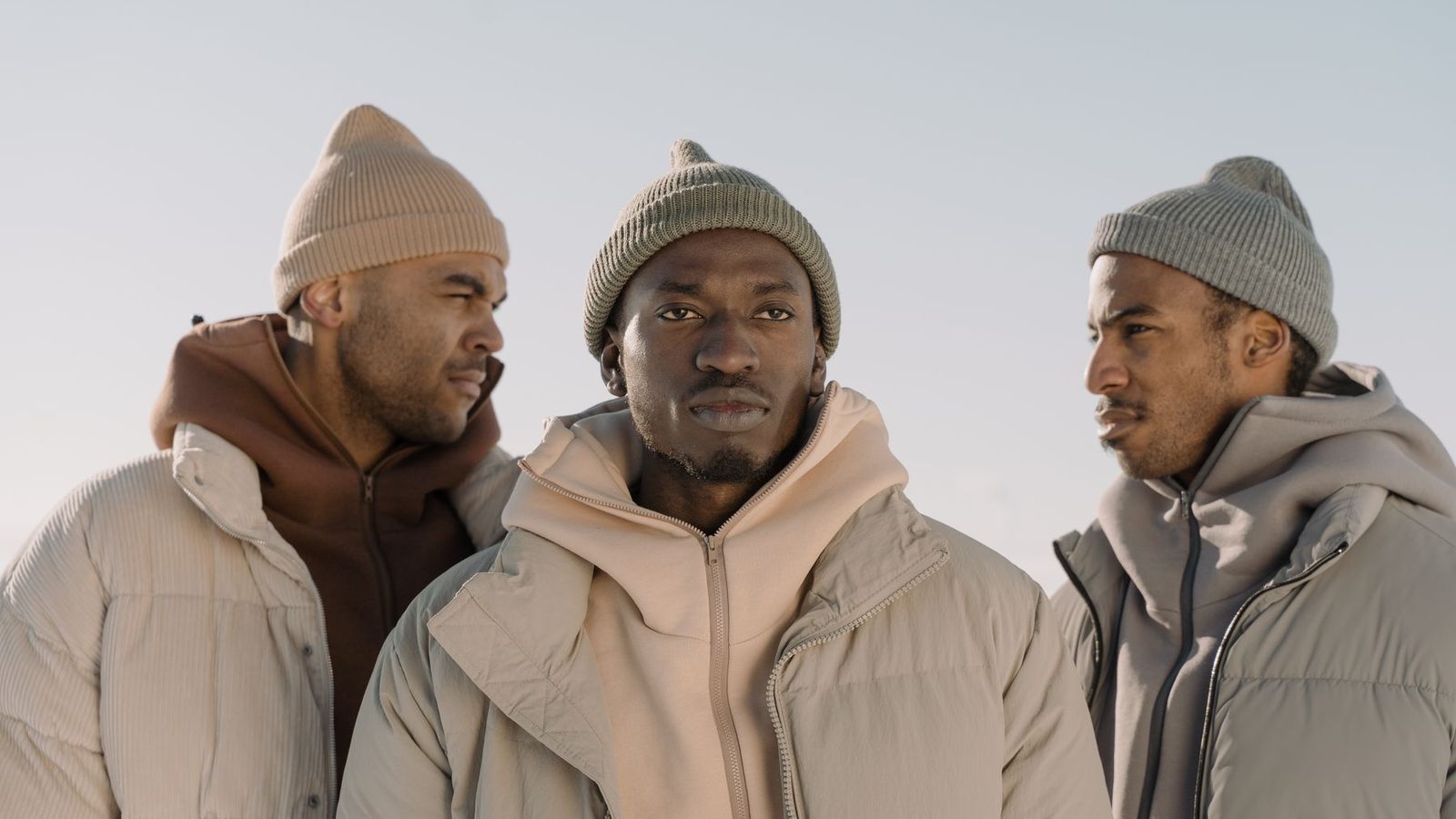
Best Beanies 2026 — Ski & Winter Hats buyers have more options than ever. A beanie is arguably the most important piece of cold-weather clothing — up to 40% of body heat is lost through the head, and a good hat adds more warmth per ounce than any other layer. But not all beanies are equal: cheap acrylic knits scratch sensitive skin, thin beanies don't fit under ski helmets, and some lack the structure to stay put during active movement. We compared five beanies covering the full range from lightweight merino liner to heavyweight helmet-compatible ski hat, focusing on warmth, itch-free comfort, and fit for ski and outdoor use.
| Pick | Award | Key spec | |
|---|---|---|---|
| Smartwool Merino 250 Cuffed Beanie | Best Overall | — | Check price |
| Patagonia Brodeo Beanie | Best for Skiing | — | Check price |
| Smartwool Lid Liner Beanie | Best Lightweight | — | Check price |
| Carhartt Acrylic Watch Hat | Best Budget | — | Check price |
| The North Face Salty Dog Beanie | Best Heavyweight | — | Check price |
The Smartwool Merino 250 Cuffed Beanie is the standard recommendation for a single beanie that works across skiing, hiking, camping, and everyday winter use. The 250-weight Merino wool hits the right warmth-to-weight balance for active winter sports — warm enough for lift rides and sub-freezing temperatures, light enough to avoid overheating on sustained uphill hikes or ski runs. Unlike synthetic fleece or acrylic beanies, merino wool regulates temperature actively (warm when wet, breathes when active) and resists odor accumulation over multi-day trips. The cuffed construction fits cleanly under ski helmets. At $35 it's the best value in the merino beanie category — far below comparable Icebreaker and Arc'teryx offerings while delivering functionally identical performance from high-quality Smartwool merino.
The Patagonia Brodeo is the ski-specific beanie — designed to fit under a ski helmet, thick enough to fill the helmet's interior padding layer for a better helmet fit, and warm enough for chair lifts, cold summit exposures, and apres ski. The recycled fleece interior is soft against bare scalp without the itch of some cheaper fleece materials. Unlike the Smartwool merino (which is best for active use), the Brodeo is optimized for warmth during low-output skiing rather than breathability during high-output touring. Patagonia's use of recycled materials and Fair Trade certification matters for the significant portion of outdoor users who prioritize sustainability alongside performance. For lift-served skiers who wear a beanie under their helmet, the Brodeo's thickness-to-helmet compatibility balance is better than thinner liner beanies.
The Smartwool Lid Liner is what to wear when a helmet is always present — the 150-weight merino construction is thin enough to fit under even tight-fitting helmets without compressing padding, and the flat knit construction eliminates the bulk that thicker cuffed beanies add under helmet brim. For skiers and cyclists who always wear helmets and want to eliminate the cold dead space between scalp and helmet interior, the Lid Liner is the specific product for that use case. The 150-weight merino provides meaningful warmth for its minimal thickness — merino's insulating properties are impressive even in thin weaves. It also doubles as a lightweight running hat for cold temperatures where a full beanie is too warm.
The Carhartt Acrylic Watch Hat is the default recommendation for budget beanie buyers — the numbers don't lie: means it has been validated by more buyers than almost any comparable product. At $16 it's half the price of the Smartwool merino, and for casual winter use, everyday cold-weather commuting, and users without sensitive skin, the functional difference between a $16 acrylic and a $35 merino is smaller than the price difference suggests. The downsides emerge in extended outdoor use: acrylic scratches on sensitive skin, retains sweat odor faster, and doesn't regulate temperature as well as merino over a full day of skiing. But for occasional outdoor use, the Carhartt is the right call and has the ratings to prove it.
The North Face Salty Dog is the heavyweight winter beanie for users who spend time in truly cold conditions — the double-layer construction delivers substantially more warmth than single-layer beanies of similar price, making it the right choice for chairlift-adjacent cold (standing at the top of a ski run in -10°F winds) where maximum insulation matters more than breathability. The TNF construction quality holds up over years of regular use without the sagging and pilling that cheaper double-layer beanies develop. At $28 it's more expensive than the Carhartt but cheaper than the Smartwool merino, positioned as a high-performance synthetic option for users who want more warmth than a standard acrylic beanie without stepping up to merino pricing.
| Beanie | Material | Best For |
|---|---|---|
| Smartwool Merino 250 Cuffed | 100% Merino wool | Best overall |
| Patagonia Brodeo | Recycled fleece | Skiing under helmet |
| Smartwool Lid Liner | 150-wt Merino | Helmet liner |
| Carhartt Acrylic Watch Hat | Acrylic knit | Budget |
| The North Face Salty Dog | Acrylic-poly double-layer | Heavyweight warmth |
Merino wool is the preferred material for active outdoor use: it regulates temperature bi-directionally (insulates when cool, breathes when warm), resists odor naturally due to wool's antimicrobial properties, and is non-itchy in fine-gauge weaves like the Smartwool 250. Its drawbacks are higher price and slower drying time when wet. Synthetic fleece (polyester) and acrylic knits are cheaper, dry faster, and are warmer per thickness in non-aerobic cold conditions like skiing — but they lose insulation efficiency when wet, don't regulate temperature, and accumulate odor faster. For hiking and ski touring (sustained aerobic activity), merino wins. For lift-served skiing and casual use, synthetics at lower price points are often adequate.
Most ski helmets are designed with a thin hat or helmet liner in mind — the interior padding assumes approximately 3–5mm of liner underneath. A thin merino liner beanie (150-weight, like the Smartwool Lid Liner) fits under any helmet. A standard cuffed beanie (like the Smartwool 250) fits under most helmets but may tighten the fit with thicker helmet padding. A thick double-layer beanie (like the TNF Salty Dog) may not fit under helmets with substantial interior padding, and forces compression of the padding which reduces both comfort and impact protection. Rule of thumb: if you wear a beanie under your helmet, try on the beanie + helmet combination before committing — interior padding depth varies significantly by helmet brand and model.
Merino wool requires gentle care. Machine wash on cold delicate cycle in a mesh laundry bag, or hand wash in cold water with a wool-specific detergent (Eucalan, Woolite, or Nikwax Wool Wash). Avoid hot water and agitation — both cause felting (irreversible shrinkage and fiber bonding). Lay flat to dry — never put merino in a dryer. Properly cared-for merino beanies last for many years, significantly longer than synthetic alternatives that pill and lose structure after 50–100 wash cycles. The extra care is worth the dramatically longer lifespan.
Cuffed beanies (fold-over brim) are the standard for outdoor use: the cuff adds a double layer of material over the ears for extra warmth, and the folded brim holds the hat securely on the head during active movement. Uncuffed slouchy beanies are primarily a style choice — they stay in place less reliably during active use and provide less ear coverage. For skiing, hiking, and active outdoor use, cuffed is almost always the right choice. The only exception is the liner beanie under a helmet, where a cuff adds undesirable bulk.
See also: Best Neck Gaiters • Best Ski Gloves • Best Hand Warmers • Best Ski Base Layers
The best beanies 2026 — ski & winter hats balance performance, value, and durability. Our top picks cover a range of budgets and use cases — see the full comparison above for our ranked recommendations.
Beanies 2026 — Ski & Winter Hats range in price from $35 at the budget end to $28 for premium options. The best value is usually somewhere in the middle — see our picks above for specific price breakpoints.
Merino wool is the preferred material for active outdoor use: it regulates temperature bi-directionally (insulates when cool, breathes when warm), resists odor naturally due to wool's antimicrobial pr
For most first-time buyers, we recommend starting with a mid-range option rather than going straight to the most expensive beanies 2026 — ski & winter hats. Smartwool Merino 250 Cuffed Beanie is a solid starting point based on owner reviews and published specs.
Yes — quality beanies 2026 — ski & winter hats are worth the investment for anyone who uses them regularly. The key is matching the spec to how often and how hard you'll use them. Our picks above flag the best value at each price point so you're not overpaying.