Our Picks
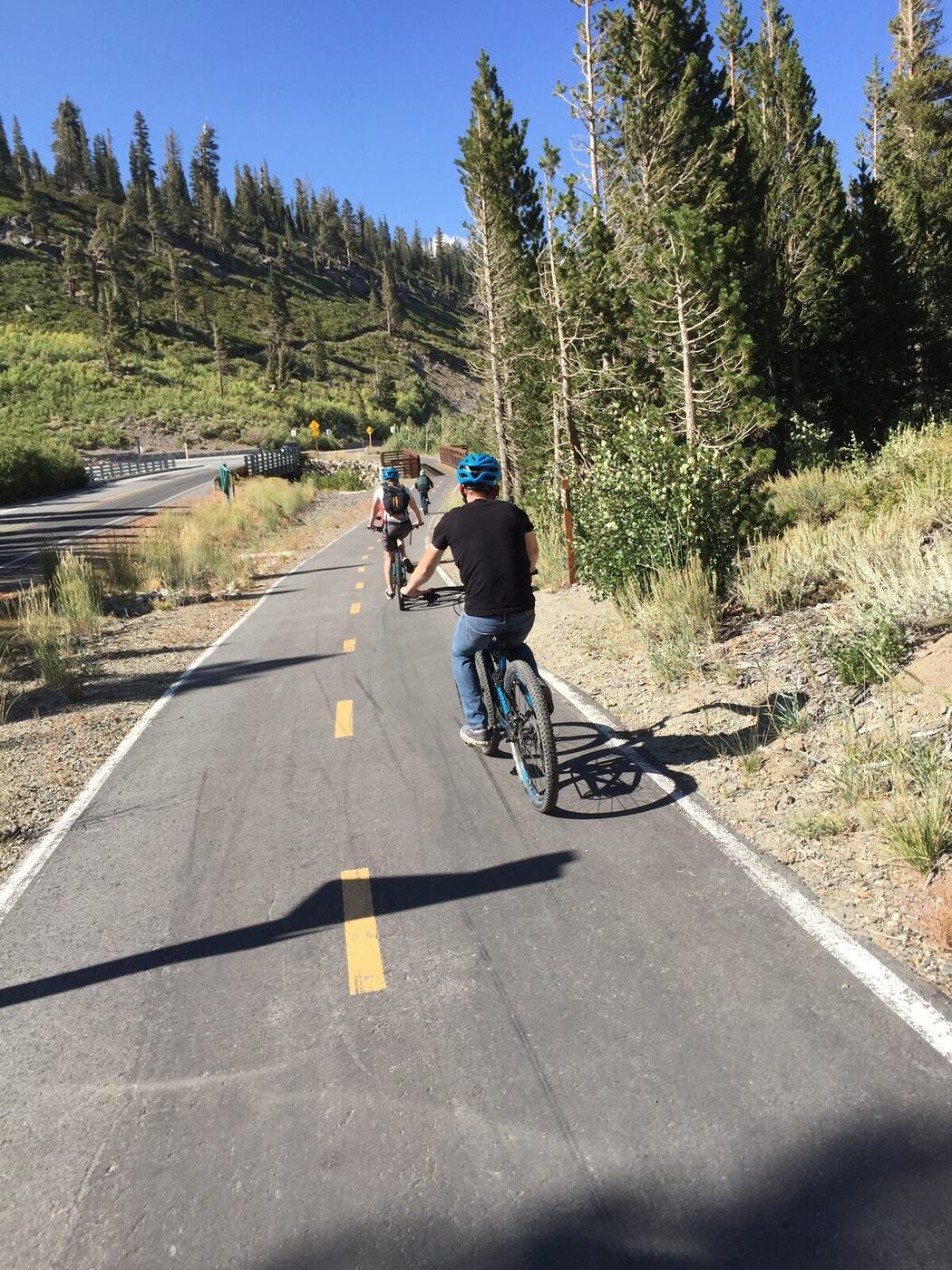
"Fat tires mask a lot of sins on e-MTBs â they absorb trail chatter, grip loose surfaces, and forgive minor suspension limitations. On anything below advanced technical terrain, they matter more than travel numbers."
The ANCHEER fat-tire platform is one of the most purchased electric mountain bikes on Amazon because it covers the most common use case: riders who want to get into e-MTB riding without paying $2,000+ for a full-suspension setup they may not need. Owner reviews show the formula works. The 500W motor handles climbs that would stop a conventional bike, and the 26Ã4.0 tires provide stability that compensates for the single-suspension geometry.
Kingbull Electric Bikes — Sold Direct, Shipped Free
Kingbull sells its e-bikes direct rather than through dealers, which is how a mid-drive-class spec lands at a hub-motor price. Worth a look before you commit to a big-box model at the same money.
Shop Electric Bikes at Kingbull →Sponsored · Gear for the Weekend earns a commission if you buy through this link, at no extra cost to you.

"Hydraulic disc brakes are the single most meaningful upgrade over mechanical discs on an e-MTB â at 28+ mph on a descent, the modulation difference matters more than any motor spec."
The jump from $699 to $1,199 in this category buys you two things that matter: a 750W motor that holds power on extended climbs without throttling back, and hydraulic disc brakes that give you actual stopping confidence at e-bike speeds. Hiboy's EX6 Pro is the mid-range pick that makes the most sense for riders who've tried a budget e-MTB and want to step up without committing to a $2,000+ brand-name platform.

"Shimano gearing on an e-bike is underrated â the ability to spin a light gear on flat terrain and save battery for climbs extends real-world range beyond what watt-hour specs suggest."
The VIVI fills the gap between the cheapest and mid-range options with something the others don't offer at the same price: a proper Shimano shifting system. If your rides mix flats, climbs, and descents, the ability to change gears under light load extends battery range and keeps the motor running in its efficiency sweet spot. For riders who've already thought through their use case and want mechanical flexibility, this is the better call at $799.
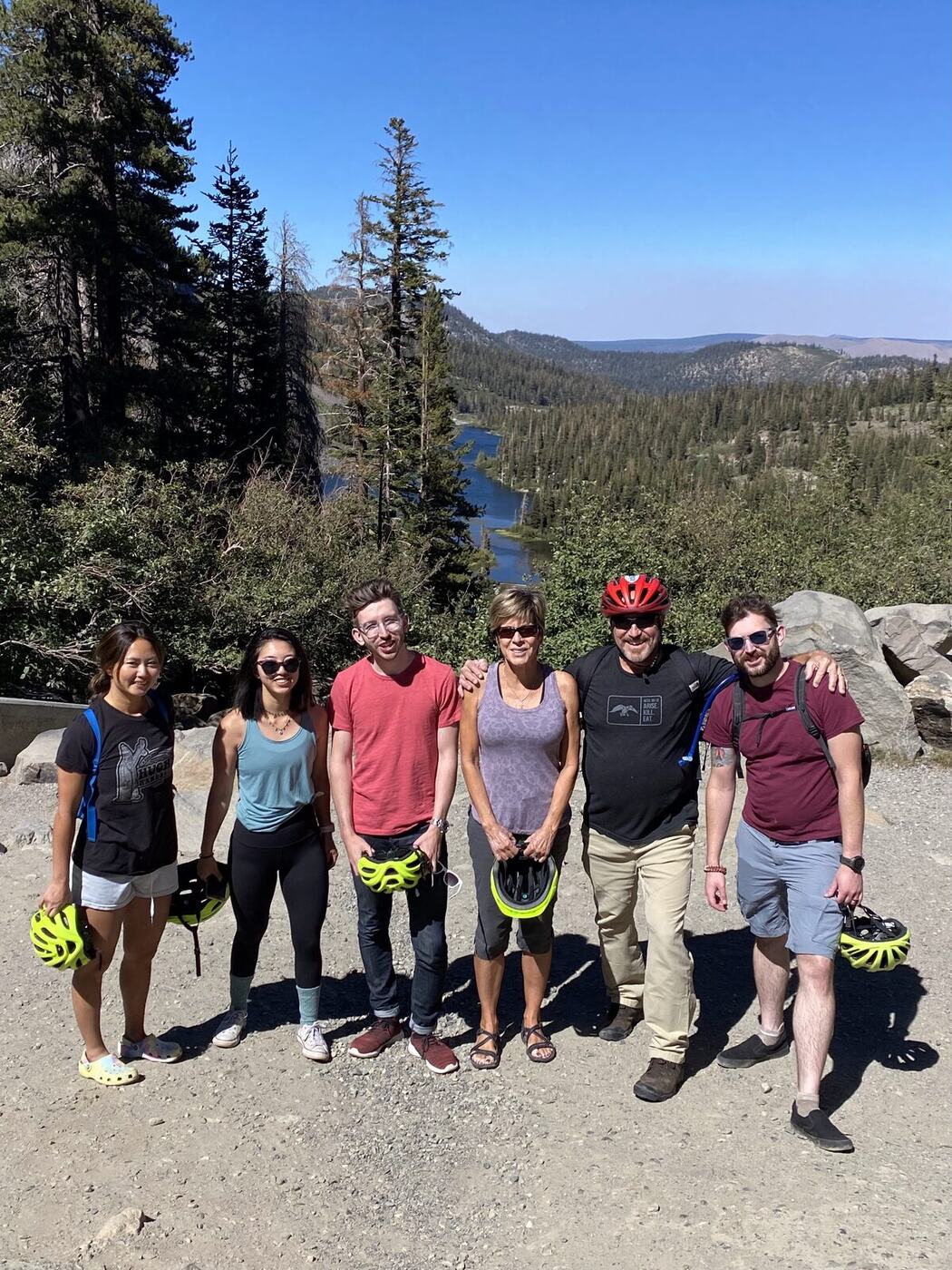
"For mountain terrain, burst motor power matters more than sustained wattage â what gets you over a short steep pitch is the peak output number, not what the motor sustains on flat ground."
The Jasion Thunder PRO earns its spot at $979 by delivering the most aggressive peak power spec in this comparison without jumping to the $1,200+ tier. If your route has short steep sections â switchbacks, loose rock climbs, or loaded hauling â the 1000W burst capability provides real grip traction where lower-wattage motors struggle. It's also the pick for heavier riders who experience noticeable power drop on the budget options.

"Puncture-resistant tires on a trail e-bike are worth paying for â a flat 10 miles from the trailhead on a 65 lb electric bike is a genuinely bad day."
ECOTRIC's Rocket sits at the top of the Amazon-available e-MTB market with to back it up. The combination of puncture-resistant fat tires and a proper color display with USB charging makes this a more complete package than budget options, and the review volume tells you it's a proven purchase â not a new product you're gambling on. For riders upgrading from a budget e-MTB and wanting a more finished bike, this is the natural next step before crossing into brand-name territory.
Best Electric Mountain Bikes for 2026 Comparison
| Product | Motor | Best For |
|---|---|---|
| ANCHEER 26" Fat Tire | 500W | Best overall, most proven |
| Hiboy EX6 Pro | 750W | Hydraulic brakes, Samsung cells |
| VIVI 26" Mountain | 500W | Shimano gearing, battery range |
| Jasion Thunder PRO | 1000W peak | Steep terrain, heavier riders |
| ECOTRIC Rocket | 750W | Complete premium package |
Motor Power for Trail Riding: What the Numbers Mean
Motor wattage on e-MTBs is almost always stated as "peak" output â a short burst the motor can sustain for seconds before dropping to a continuous rating. A 750W peak motor may sustain 400-500W continuously, which is still plenty for most trail climbing. What matters more than peak wattage is torque (measured in Nm) â high-torque motors feel dramatically more responsive on steep technical terrain than high-wattage motors with lower torque. Unfortunately, most Amazon listings don't publish torque specs, so review volume from trail riders becomes your best proxy for real performance.
Suspension vs. Fat Tires: Which Matters More?
On moderate terrain â packed dirt, gravel, and fire roads â fat tires (4.0" wide) absorb more trail vibration than 80-100mm of budget suspension travel. The air volume in a 4.0" tire acts as a natural shock absorber. On technical singletrack with roots, rocks, and drops, suspension travel becomes the limiting factor. If 90% of your riding is fire roads and moderate paths, prioritize fat tires. If you're planning actual mountain bike trails, look at higher-travel suspension setups in the $2,000+ category this list doesn't cover.
Class 1 vs. Class 2 vs. Class 3 E-MTBs
Most trail and forest service regulations allow Class 1 e-bikes (pedal-assist only, max 20 mph) and some allow Class 2 (throttle-assist, max 20 mph), but most prohibit Class 3 (pedal-assist to 28 mph) on non-motorized trails. Check your local trail rules before purchasing a throttle-equipped e-MTB â riding an unlawful class e-bike on restricted trails risks access closures for all users. Most bikes in this comparison offer both throttle and pedal-assist modes with switchable settings.
Which Electric Mountain Bikes for 2026 Should You Buy?
For most riders buying their first e-MTB, the ANCHEER 26" fat-tire bike is the safest call â is the strongest proof-of-satisfaction in this comparison, and the fat tires handle the terrain most weekend riders actually encounter. If you're upgrading from a budget option or want hydraulic brakes from the start, the Hiboy EX6 Pro is worth the extra $500 for the component quality it brings. And if steep climbs or heavier rider weight are a real factor, the Jasion Thunder PRO's 1000W peak motor earns its place in the lineup at under $1,000.